
Last updated September 10, 2026
Level 1 sweep and inspection to the NFPA 211 annual standard - flue, crown, cap, and flashing checked and photographed
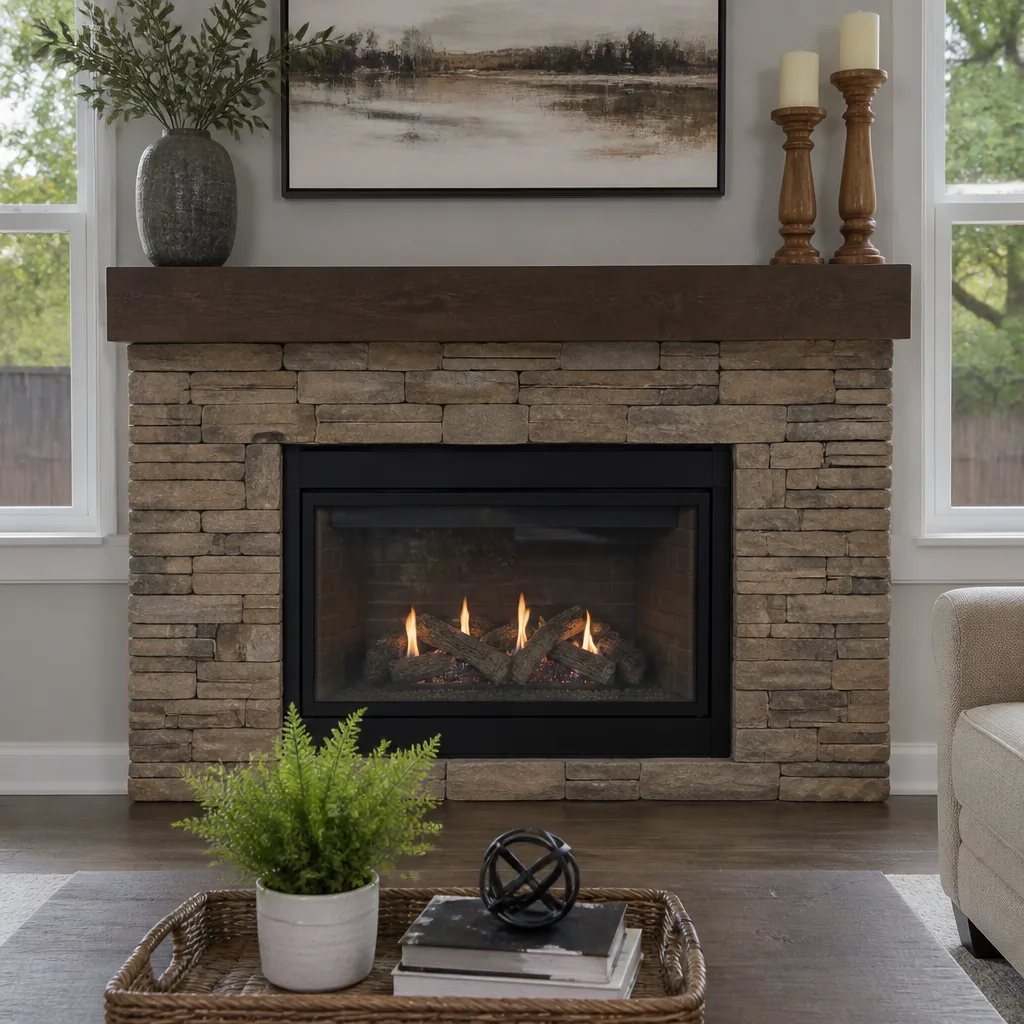
Chimney sweep logs do not sweep chimneys. They loosen some creosote - which then falls where a brush and vacuum still have to collect it.
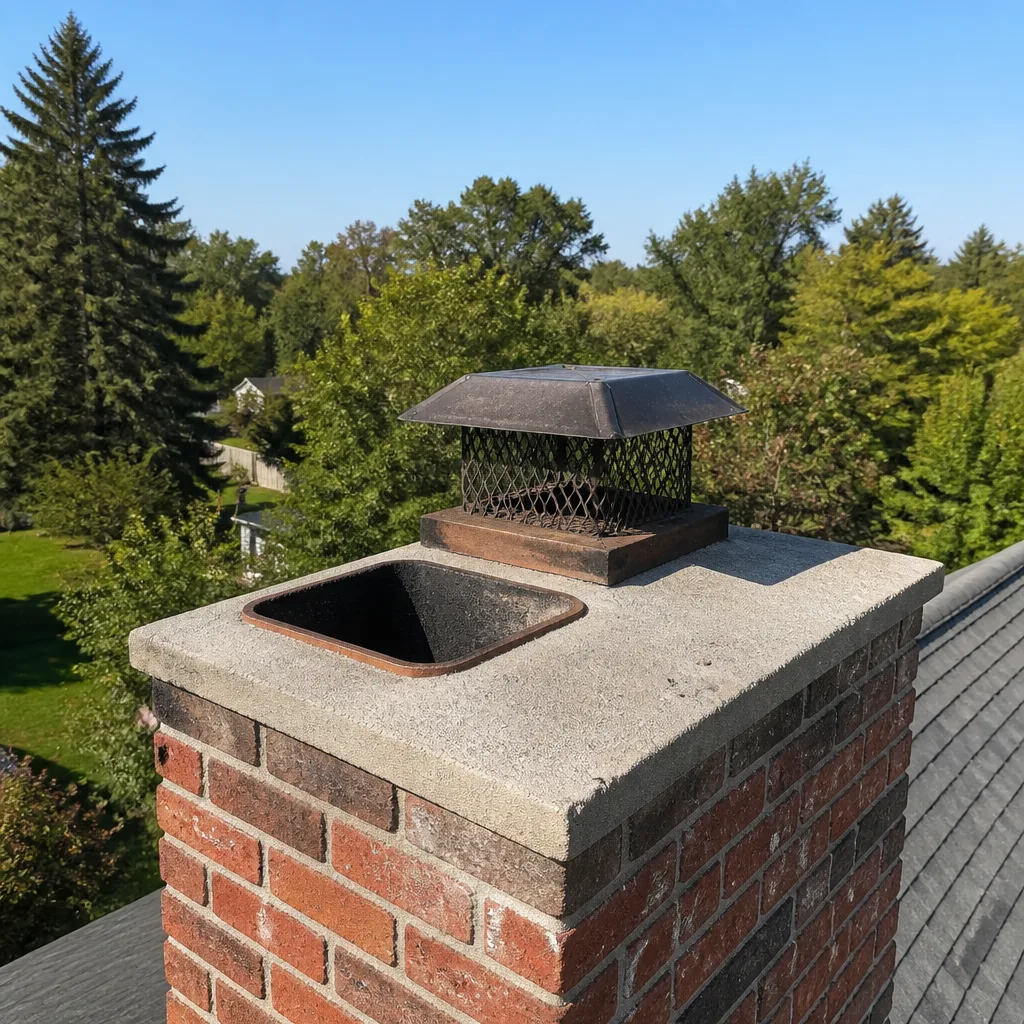
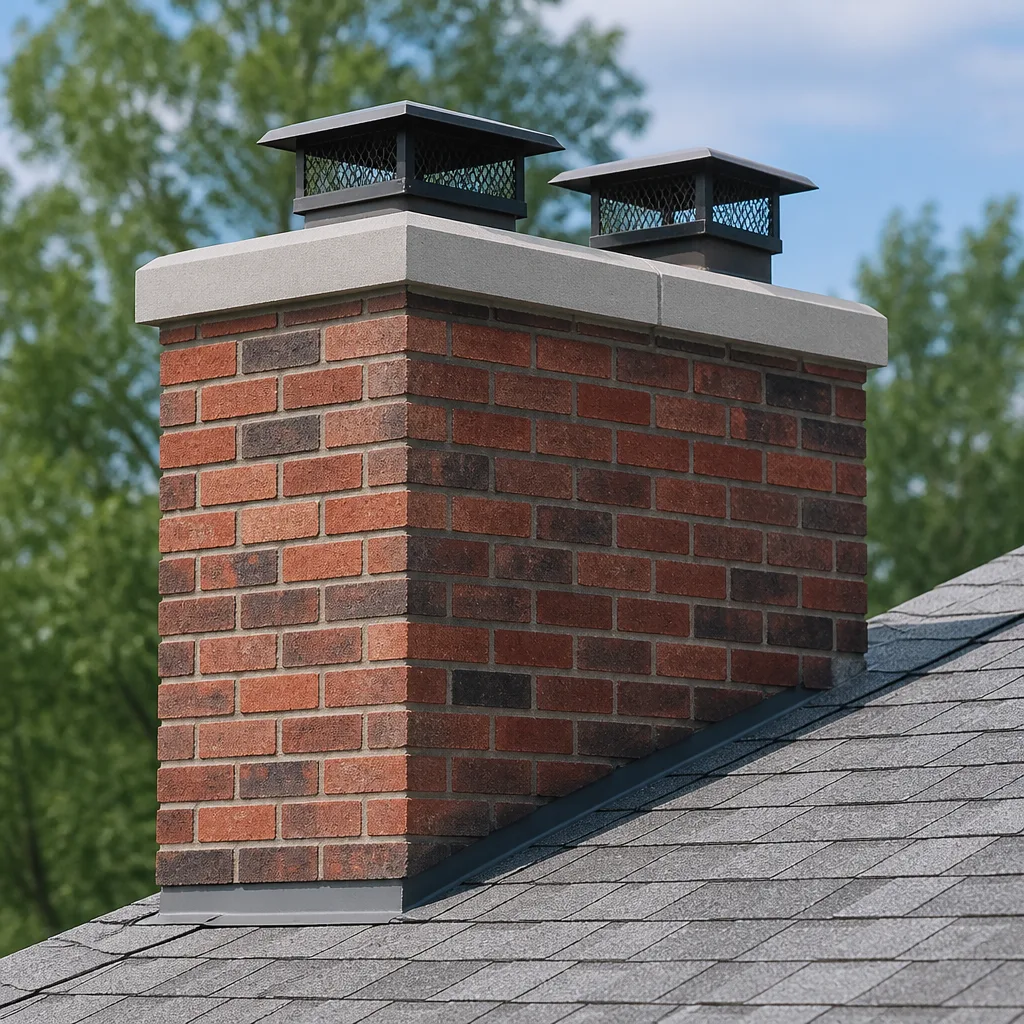
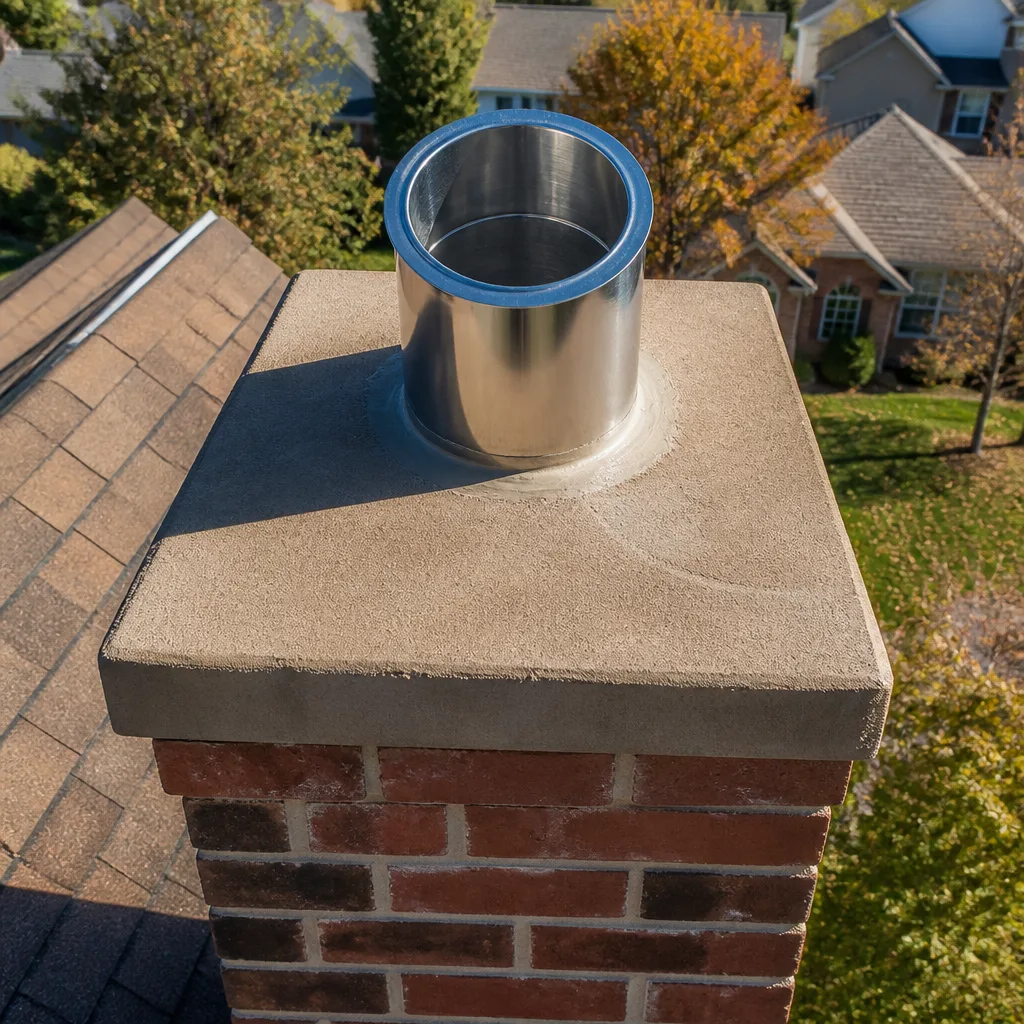
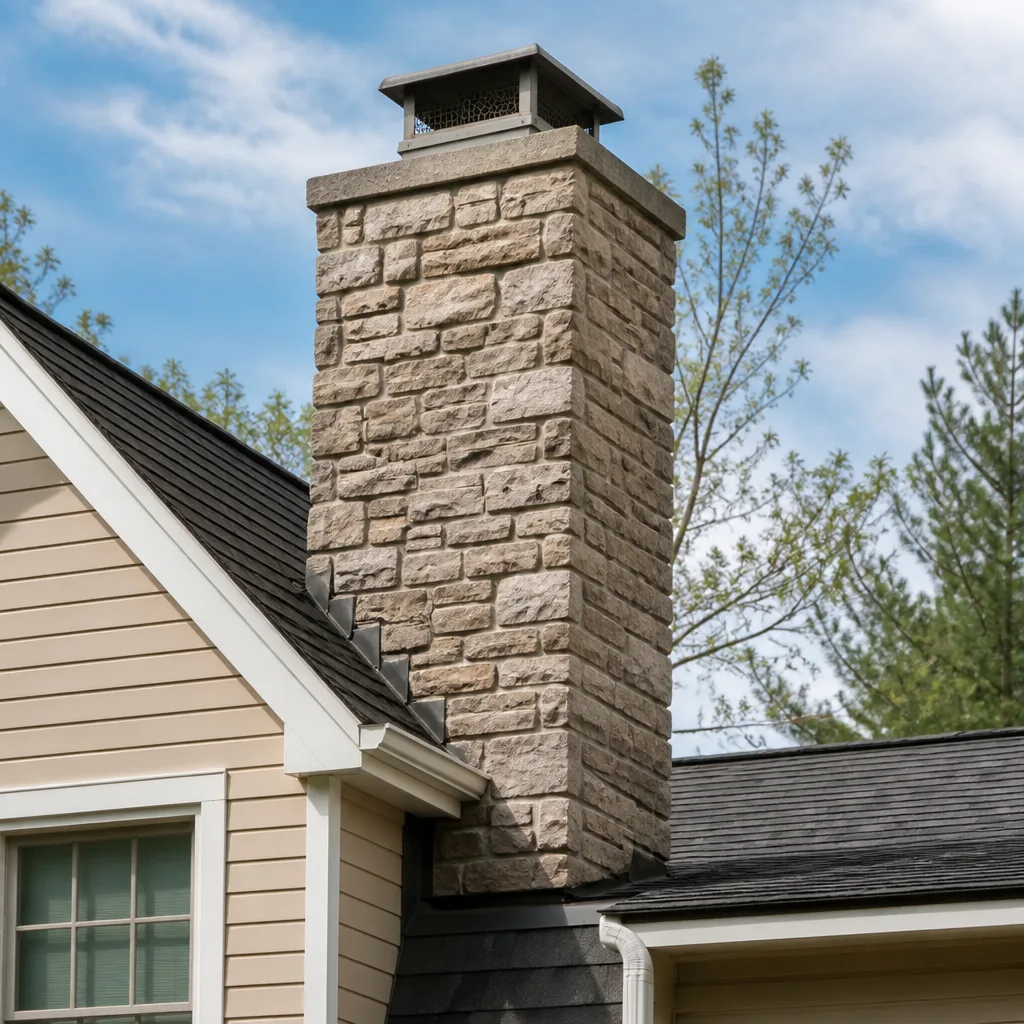
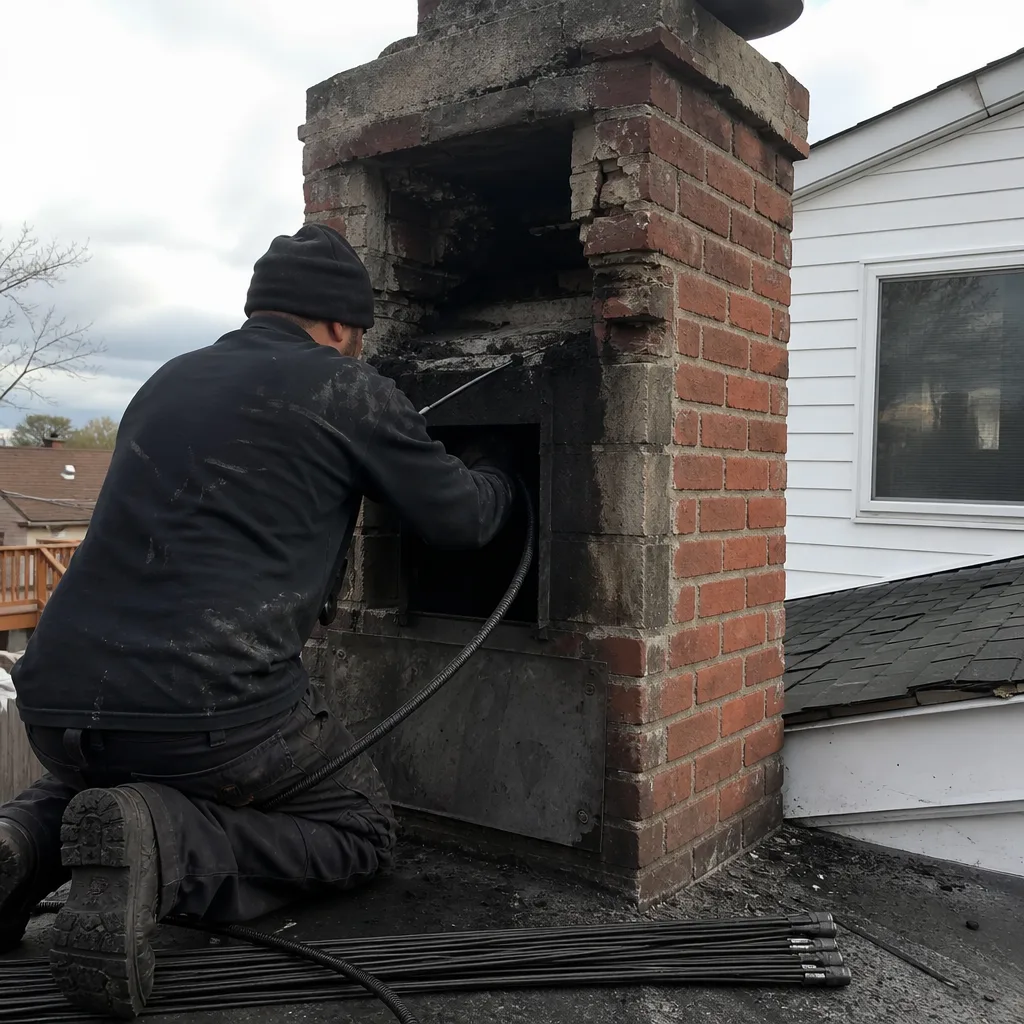 Before
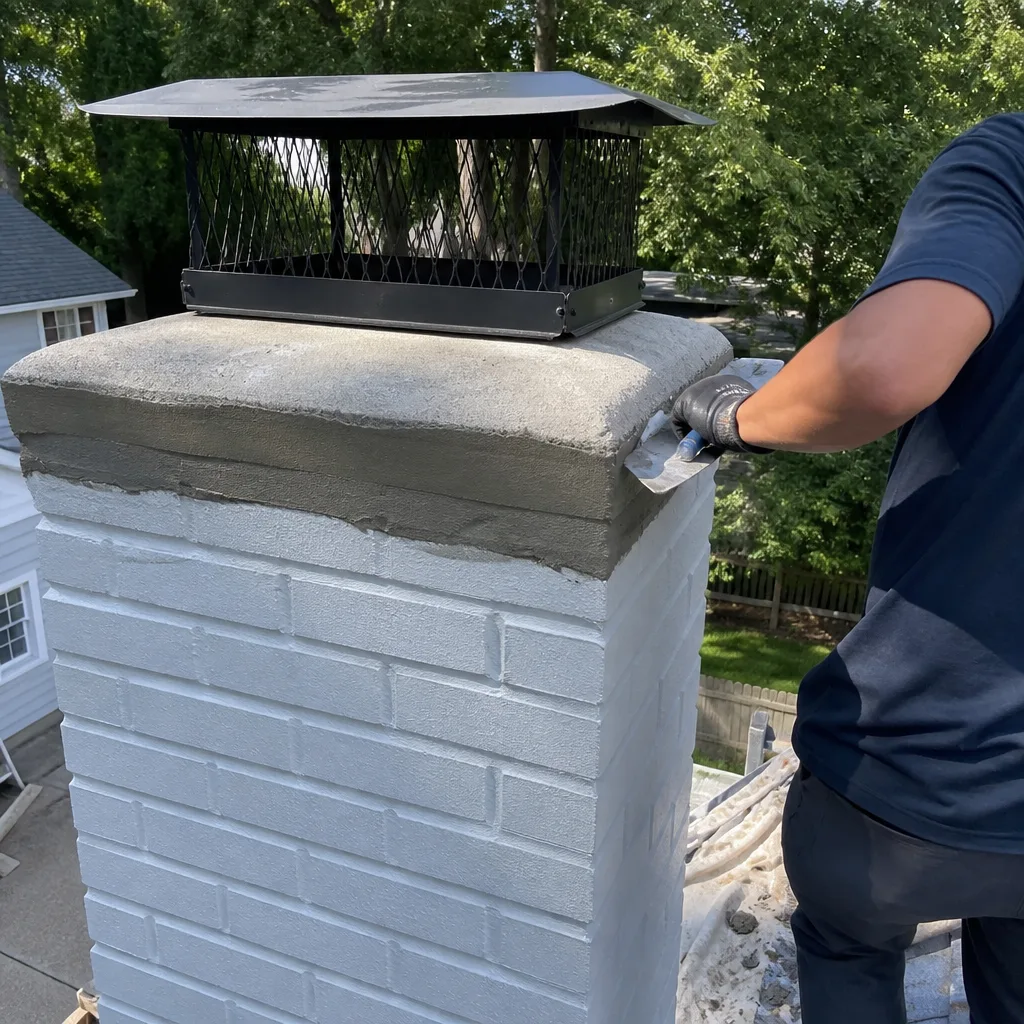 After
After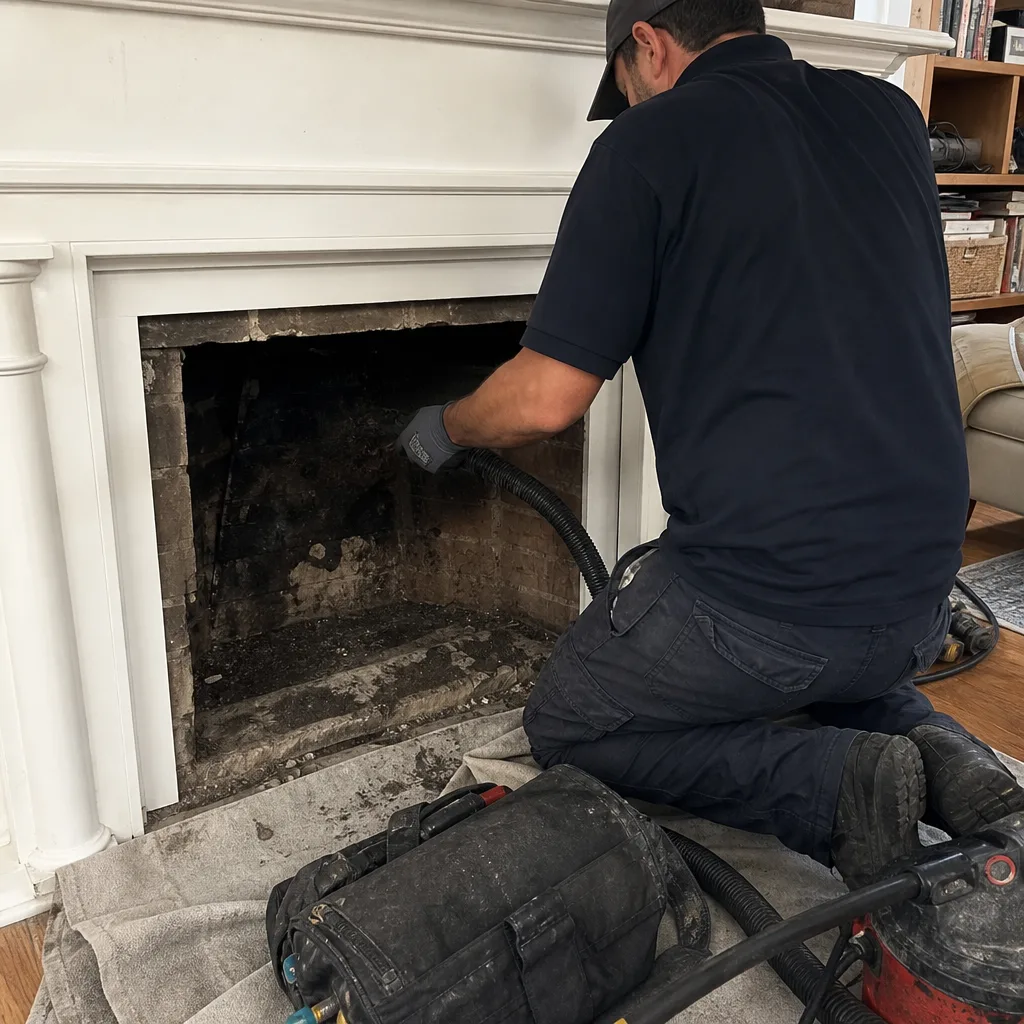 Before
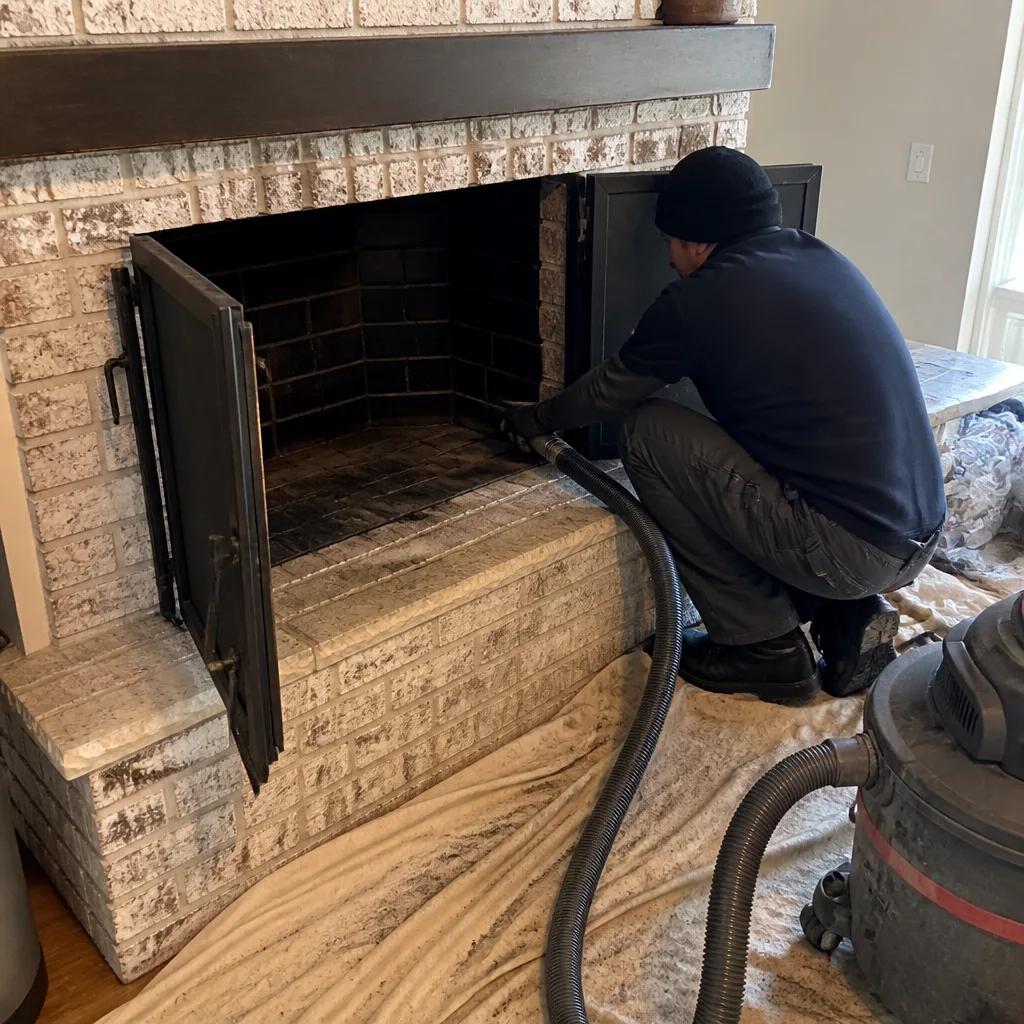 After
After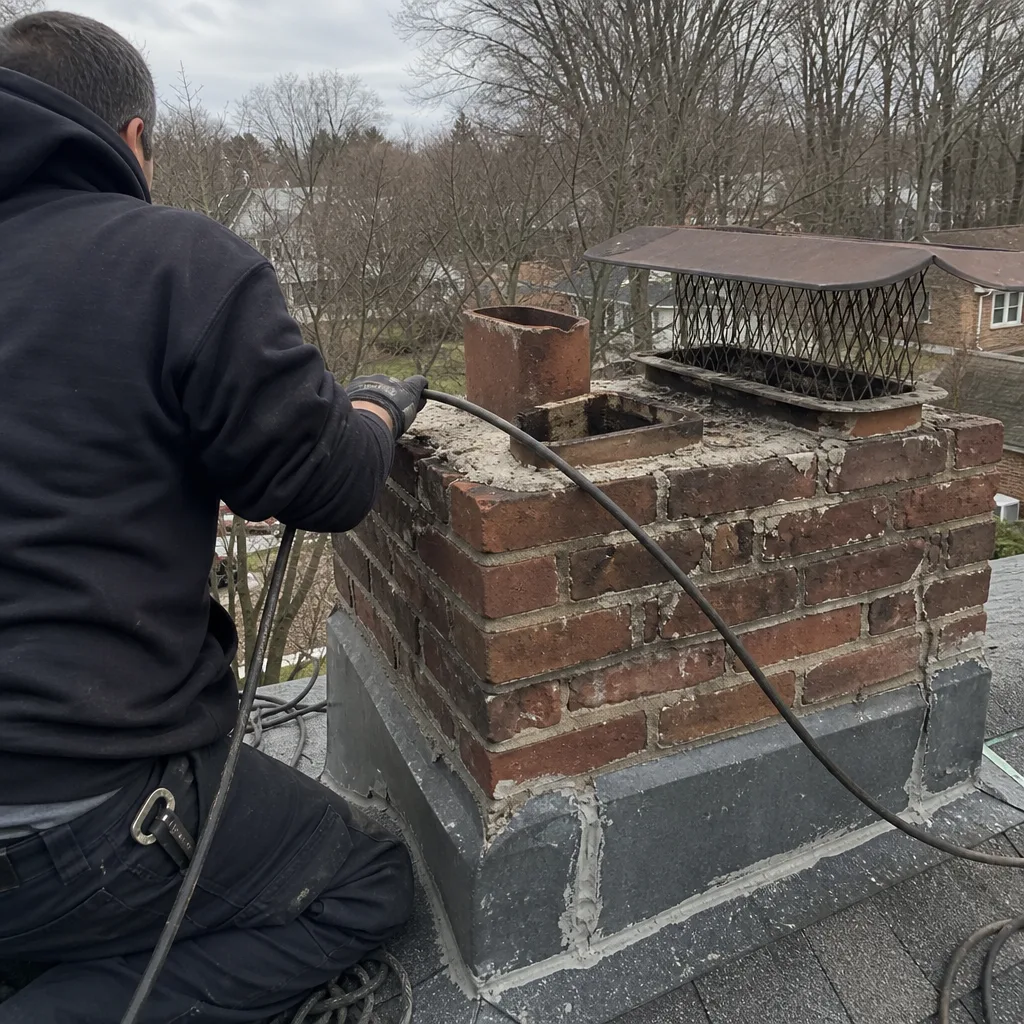 Before
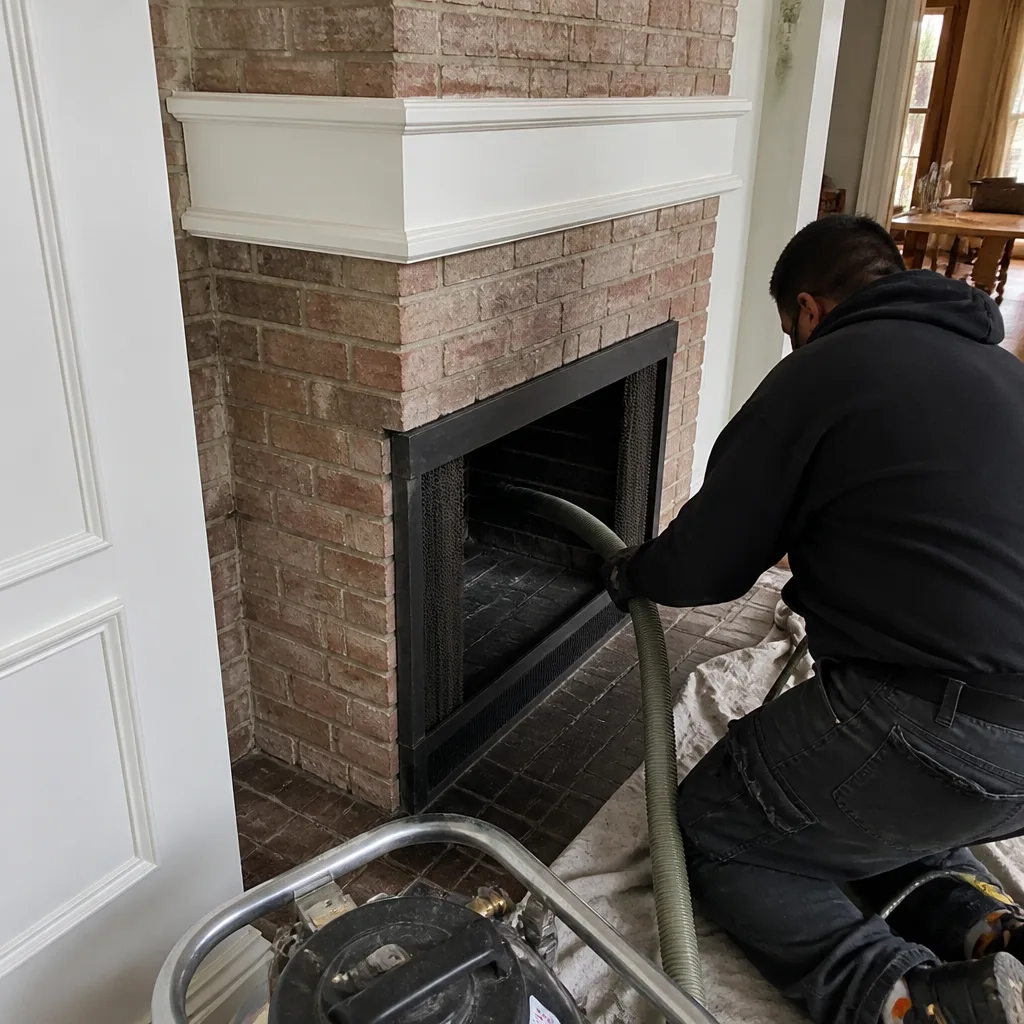 After
AfterChimney Cleaning & Sweep Maintenance Checklist for Alexandria Homeowners
Here’s something that took me twenty-five years to say out loud: most chimney checklists are written by people who have never actually stood on an Alexandria roof in February. They’ll tell you to “inspect for cracks” without explaining that a hairline fissure in a 1978 brick chimney on Seminary Hill often means something completely different than the same-looking line on a 1995 build in Del Ray. This guide is what I actually look for when I’m up there, and what I’d tell you to check from the ground if you called me on a Tuesday asking whether your chimney needs work. For a deeper look at what signals trouble, see our Chimney Cleaning Warning Signs: A Alexandria Homeowner’s Reference Guide.
Quick Answer
A proper chimney maintenance checklist for Alexandria homeowners includes an annual Chimney Cleaning & Sweep, a five-minute damper test, a visual inspection of the cap and crown, verification that the smoke shelf was actually cleaned, and documentation of every visit for Virginia resale disclosure. Most homes here need one professional visit per year, ideally before the first burn in October, even if the fireplace sat unused since March.
Table of Contents
- The Alexandria Season Calendar: What to Check and When
- The Smoke Shelf: The Most-Skipped Step in Sweeping
- The Five-Minute Damper Test Every Homeowner Should Do
- Cap and Crown: What a Proper Maintenance Visit Should Leave Behind
- Creosote: First-Degree is a Brush Job, Third-Degree is a Glaze
- Documentation for Insurance and Virginia Resale Disclosure
- Why the Off-Season Matters as Much as Burning Season
Before we get into the weeds, know this: Top Hat Chimney home is where you can always find us, and the phone number (571) 521-4837 gets you a live person. Wendell answers it himself half the time. Now let’s get to what actually belongs on your checklist.
The Alexandria Season Calendar: What to Check and When
Generic checklists break the year into “spring” and “fall” and call it a day. Alexandria doesn’t work like that. We get wet, heavy snows some winters and barely a frost other years. We get summer humidity that sits in a flue like a damp towel. Your chimney reacts to all of it, and your maintenance calendar should reflect the actual climate here, not a national average.
Here’s the calendar I follow for my own house and recommend to homeowners across Alexandria:
- September to early October: Schedule the annual sweep. This is before the first real burn, while the flue is dry from summer and creosote from last season has had time to harden. A sweep now is easier and more thorough than one in December when everyone’s already burning and the creosote is sticky.
- Late October: Do the damper test (below) and check the cap from the ground with binoculars. Look for missing screens, rust streaks, or a cap that’s shifted off-center. If the cap is intact, you’re ready to burn.
- November through February: Burn only dry, seasoned hardwood. Watch for smoke spilling into the room when you first light a fire on a cold morning. That spillback is often a drafting issue, not a dirty flue, but it’s worth a call if it persists.
- March: After the last burn, schedule any repairs you noticed during the season. Chimney work is often cheaper and faster in March and April when sweep crews aren’t running emergency calls. The Chimney Repair in Alexandria page covers what we handle most.
- July through August: Check for water intrusion signs around the chimney chase and firebox. Summer thunderstorms are the biggest water event of the year in Northern Virginia, and water is the slow killer of masonry. Look for white efflorescence stains on brick, crumbling mortar joints, or a musty smell in the firebox.
Once a year, burn or no burn. Chimneys break in the off-season too. I’ve found cracked flue tiles in August on chimneys that saw exactly three fires the previous winter. The heat and humidity we get in Alexandria in July is actually harder on old brick than a consistent winter fire is.
The Smoke Shelf: The Most-Skipped Step in Sweeping
Here’s the honest truth I mentioned at the top: the most common thing I find after a “recent cleaning” by someone else isn’t dirty flue tile. It’s a damper that was never tested and a smoke shelf that was never touched, because neither one shows up on a vague checklist.
The smoke shelf is the flat or gently curved area immediately above the damper and behind it, at the base of the flue. Its job is to catch falling debris and redirect the draft upward. When you burn, soot, creosote flakes, and pieces of bird nest or dead leaves collect on this shelf. Some of it should be there. That’s the shelf doing its job. The problem is when a sweep brushes the flue above it and never reaches down to clear the shelf itself.
How do you know, as a homeowner, whether the smoke shelf was cleaned without climbing on the roof? You can verify it in about three minutes.
- Open the damper fully. It should move freely without grinding or binding. If you need to reach a flashlight up and back, do it safely. Wear safety glasses. Debris falls.
- Shine a bright flashlight up toward the back of the firebox, above the damper opening. Tilt the light toward where the flue makes its first upward turn.
- If you see a thick, fluffy layer of black soot or debris sitting on that horizontal area, the smoke shelf was skipped or barely touched. A properly cleaned shelf will be mostly clear, with maybe a light film of fine dust that wipes away with a paper towel.
- Reach up with a shop vacuum hose if you can safely reach the shelf, and vacuum it out. This is a maintenance step you can absolutely do yourself. Wear a dust mask. The stuff is not pleasant.
If you can’t see it, or you can see it but it’s caked with third-degree creosote, that’s when you call us. The shelf is the one area I never skip, because it’s also the area where smoke shelf cracks and gaps hide. A cracked smoke shelf lets heat and gases into the chimney’s void spaces, which is how small problems turn into three-thousand-dollar repairs.
The Five-Minute Damper Test Every Homeowner Should Do
Your flue doesn’t care how the fire looks. It cares how it breathes. And the damper is the valve that controls that breathing. A damper that won’t open fully makes your fireplace draft poorly and sends smoke into the room. A damper that won’t close fully lets conditioned air escape up the chimney all summer, and lets cold air pour into the house all winter. A damper that’s rusted or warped from heat is a safety problem, because in a chimney fire, that damper is one of the few things between honest heat and your living room.
Here’s the test I teach every homeowner in Alexandria, and it takes five minutes with no tools:
- Look at it first. Shine a light up and actually look at the damper. Rust is corrosion. Warping means it got too hot at some point. Cracks around the damper frame are movement. None of these are normal, and all of them are easier to fix now than after a chimney fire.
- Open it all the way and close it all the way. Move the handle or chain through its full range. It should move smoothly and stop firmly at both ends. If it sticks, bends, or feels like it’s grinding against metal, that’s friction and that’s a problem.
- Check the seal. Close the damper and hold a lit candle or incense stick near the opening. If the smoke drifts upward into the flue, there’s a gap. A good damper seal holds back the draft. A bad one costs you money every month in heating and cooling costs.
- Look for daylight. In a masonry chimney, with the damper closed, you shouldn’t see daylight around the damper plate from below. If you do, air is getting through.
- Listen. With a fire burning and the damper open, stand near the fireplace. You should hear a consistent, steady draw. Popping, fluttering, or a “breathing” sound means the draft is unstable, and that’s often a damper or flue sizing issue.
Do this test before you ever call a sweep, and do it again after the sweep leaves. If the damper was working before the visit and not after, or the reverse, something changed and you have a right to know why.
Cap and Crown: What a Proper Maintenance Visit Should Leave Behind
Every spring I see Alexandria chimneys with shiny new caps and crowns that are still failing from the inside. The cap got replaced, the crown got resurfaced, and the water kept getting in. Why? Because somebody treated the chimney as a cosmetic job instead of a waterproofing system.
Your cap has one job: keep rain, snow, animals, and debris out of the flue. Your crown has one job: shed water away from the flue tiles and the brick. If either one fails, water wins. Here’s what you should see after a proper maintenance visit:
- Cap mesh that’s intact and sized to the flue. The mesh should be small enough to keep out starlings and squirrels but large enough that it doesn’t clog with creosote. In Alexandria, we’re in a major flyway, and starlings love a warm flue. A proper cap has quarter-inch or half-inch mesh, not the big stuff you see on cosmetic-only caps.
- Crown that overhangs the brick by at least an inch and a half. The crown should extend beyond the edge of the chimney chase, and include a drip edge. A crown that ends flush with the brick just channels water straight down the masonry.
- No cracks in the crown that you can feel with a fingernail. Hairline cracks in crown mortar are common, but if you can catch a fingernail in it, water is getting in. Beads of water also freeze and thaw here, and Alexandria’s freeze-thaw cycle is what turns a tiny crack into a split brick in one winter.
- Brick that’s not spalling. Spalling is when the face of the brick flakes off, and it’s almost always a sign of trapped water. If you see brick fragments on your roof or in the yard at the base of the chimney, water is inside the masonry and the brick is failing.
- Flashing that’s intact and sealed. The flashing is where the chimney meets the roofline, and it’s one of the first places Alexandria homeowners get leaks. If the flashing is lifting, cracked, or covered in old sealant, it’s time to replace it before the next storm season.
A proper maintenance visit should leave you with all five of these things in visually verifiable condition. You should be able to stand at the ground and check the cap and crown. If someone tells you the cap is fine and you can’t see it from the ground, ask them to show you the photo. We take photos on every job. We use products from Olympia Chimney and Famco for caps and DuraFlex for liners, because the brand name means the part was made to a standard, not welded in a garage.
Creosote: First-Degree is a Brush Job, Third-Degree is a Glaze
Creosote is what’s left after wood smoke condenses on the flue wall, and it comes in three stages. The stage matters more than anything else on your maintenance checklist, because the recommended treatment changes completely depending on which degree you’re dealing with.
First-degree creosote is fluffy, brown or gray soot. It’s dry, it brushes off easily, and it’s what a standard sweep handles in one visit. Most Alexandria homes that burn dry, seasoned hardwood once or twice a week will have first-degree creosote after a season of burning. For everything you need to know about keeping your system safe, read The Complete Guide to Chimney Cleaning in Alexandria.
Second-degree creosote is crusty, dark brown or black, and looks like burnt sugar. It still brushes off, but it takes longer and the sweep will need to use a rotary brush with harder bristles or a chemical treatment. This is common in homes where people burn green wood, soft woods like pine, or where the fireplace drafts poorly and the smoke hangs around longer than it should.
Third-degree creosote is a hard, shiny, tar-like glaze. It’s almost like glass. It doesn’t brush off with anything a typical sweep carries, and burning a fire with a heavy third-degree glaze in your flue is how chimney fires start. It requires chemical removal, sometimes multiple treatments, and in the worst cases, a liner replacement.
You can check your own creosote level between visits with a simple test. Take a fireplace poker or a long screwdriver and scrape the flue wall through the damper opening. If it comes back with fluffy brown soot, you’re first-degree. If it comes back with crusty black chunks, second-degree. If it comes back scored or with a shiny black residue you can’t scrape off with your fingernail, that’s third-degree and it’s time to call.
First-degree creosote is a brush job. Third-degree is a glaze - catch it early. The earlier you catch it, the cheaper and less invasive the fix is.
Documentation for Insurance and Virginia Resale Disclosure
Nobody thinks about chimney paperwork until they’re selling a house in Alexandria and the buyer’s inspector flags the fireplace. Then the seller is scrambling, the buyer is nervous, and somebody ends up paying for a fix that could have been documented years earlier.
Virginia residential property disclosure law doesn’t specifically require chimney inspection reports, but it does require sellers to disclose any known defects. The problem is that “I didn’t know” isn’t a defense if a reasonable homeowner should have known. Cracked flue tiles, water damage in the firebox, a chimney that hasn’t been swept in a decade - these are material defects, and if you knew about them or should have known, you have to disclose them.
Here’s what I’d keep if you own a home with a fireplace in Alexandria:
- Every sweep and inspection report from day one. A dated, itemized report from a licensed sweep is the single best piece of evidence you have if a buyer, an insurer, or a lawyer asks about the chimney’s history. If the report says “no defects noted” from two years ago, that’s powerful protection.
- Photos of the flue from a camera inspection. We run a camera up every flue we sweep in Alexandria. The footage and a plain-English verdict - every time, no exceptions. Those photos show exactly what was and wasn’t there, and they document change over time. If a crack appears between year one and year two, you can see it and so can the insurance adjuster.
- Repair invoices with specific part names and brands. “Repaired chimney, $1,200” is useless. “Installed DuraFlex stainless liner, 6-inch, with new top plate and cap, materials and labor, $2,350” is a document that shows you maintained the system properly.
- Independent second opinions on any major recommendation. If one company tells you the crown needs resurfacing and another agrees, you’ve got a defensible position. If one company says liner replacement and another says the liner is fine, that second opinion protects you from overpaying. We offer a free second opinion on any competing written estimate in Alexandria, no strings.
Keep this file in the same place you keep your HVAC records and your roof replacement info. When you sell, hand it over. It’s worth a few thousand dollars in negotiation strength.
Why the Off-Season Matters as Much as Burning Season
Most Alexandria homeowners think about their chimney in October and forget about it in March. I understand why. The fire’s not burning, the chimney’s not smoking, and there’s no visible problem. But chimneys break in the off-season too, and sometimes the off-season is when the quiet failures start.
Here’s what happens in an Alexandria chimney between March and September:
- Spring rain and summer thunderstorms pour water into any gap in the crown, cap, or flashing. That water soaks into the masonry and sits there. In July, the heat and humidity cause the water to expand, and the brick starts to spall or crack. By October, you’ve got a bigger repair than you would have had in April.
- Animals move in. Birds, squirrels, raccoons. Alexandria is old enough and green enough that wildlife is everywhere. A missing cap screen is an open door. We find nests in flues every single year, and some of them have been there for months before anyone noticed.
- Condensation from the air conditioning works against the masonry in older homes. If your chimney chase isn’t insulated and your AC is running hard in August, the flue can get cold enough to condense moisture from the air inside the house. That moisture then mixes with creosote residue and becomes acidic. Flue tile in Alexandria chimneys from the 1960s and 1970s is especially vulnerable to this.
- Rust never sleeps. Damper plates, cap screens, even the metal in the firebox. A little surface rust in March becomes a seized damper by September if it’s not addressed.
I’ve found cracked flue tiles in August on chimneys that saw exactly three fires the previous winter. The heat and humidity we get in Alexandria in July is actually harder on old brick than a consistent winter fire is. Your annual sweep should happen before burning season, but your eyes should be on the chimney year-round.
If you do one thing differently this year, make it this: walk outside in July, look up at your chimney, and actually look at it. Check the cap. Check the brick. Check the flashing. Throw some water on the crown with a hose and see if it beads up or sinks in. That’s the difference between a homeowner who maintains a chimney and one who reacts to its failures. The Chimney Cleaning & Sweep in Alexandria page covers what should happen at every visit.
Common Mistakes to Avoid
- Skipping the smoke shelf because “the sweep was up there anyway.” The flue brush goes up; the smoke shelf is behind and below the damper. Many sweeps never touch it. Ask specifically whether it was cleaned, or verify it yourself with a flashlight.
- Burning green or unseasoned wood because it was cheap or free. Wet wood creates second-degree creosote fast. In Alexandria’s humid climate, wood needs a full year of seasoning under cover, and even then it should be tested with a moisture meter before burning.
- Not testing the damper after a sweep. Dampers break, and they sometimes break during the cleaning process when debris falls on them. Always run the five-minute test after any visit.
- Treating chimney crowns as cosmetic. A crown that’s cracking isn’t an aesthetic issue; it’s a water intrusion issue. Resurfacing a crown correctly takes time and proper materials. A thin coat of mortar or sealant is a temporary patch, not a fix.
- Trusting a phone quote without an on-site inspection. This is the one I hear about most from Alexandria homeowners who’ve been burned. A chimney can’t be priced over the phone any more than a roof can. The number should be flat and in writing before work starts, but that number comes from a real inspection. Top Hat Chimney gives upfront pricing before a single tool comes off the truck, and the number you hear on the phone is the number on the invoice. But we still look first.
- Never documenting the visits. No paperwork, no proof. In a Virginia resale, “the chimney was swept every year” means nothing without a record. Keep the reports.
- Ignoring the off-season. The chimney doesn’t stop aging in April. Walk around the house once a month and look up. It’s the cheapest maintenance tool you own.
We cover more of what goes wrong and how to spot it early on the Fireplace Services in Alexandria page. If you have a fireplace insert, gas log set, or anything beyond a standard wood-burning masonry chimney, that page explains what maintenance those systems need that a basic sweep won’t cover.
When to Call a Professional
Call a professional when you find third-degree creosote glaze, when the damper won’t seal or won’t open fully, when you see water stains on the ceiling near the chimney, when the cap is missing or the mesh is torn, when you smell smoke in the house after a fire, or when you haven’t had a sweep in more than two years and you’re not sure what’s in there. Also call if you’ve just moved into an older Alexandria home and have no documentation from the previous owner. You’re starting fresh, and the chimney should too. Top Hat Chimney offers free estimates in Alexandria - call (571) 521-4837 and Wendell or one of his crew will come out, look at the whole system, and give you a straight answer. No trip charge inside the county.
Frequently Asked Questions
A standard chimney sweep in Alexandria typically runs between $175 and $350 depending on the flue’s condition, the number of flues, and whether there’s a significant creosote buildup or animal nest. A sweep with a camera inspection is usually on the higher end of that range but is worth the extra cost because it documents the flue’s actual condition. Call (571) 521-4837 for an exact quote - estimates are free, and we don’t charge a trip fee inside the county.
Once a year, burn or no burn. The National Fire Protection Association recommends an annual inspection and cleaning as needed, and in Alexandria’s climate, once a year before the first fall burn is the right rhythm for most homes. If you burn more than a few cords a season, or you burn green wood, you may need a mid-season sweep.
Creosote builds up, and if it reaches third-degree glaze, the risk of a chimney fire rises sharply. A chimney fire in an Alexandria masonry chimney can crack flue tiles in minutes, and the repair is often the cost of ten sweeps or more. Water also gets in through undetected cap and crown failures, and the damage compounds. The camera footage and a plain-English verdict - every time, no exceptions. It’s cheaper to document a clean flue than to explain a cracked one to your insurance company.
Sometimes, and this is the exact situation where a second opinion is worth your time. A cracked flue tile is a defect, but not every crack demands a full liner replacement. If the crack is small, not spalling, and the smoke chamber is intact, you may be able to repair it. If the crack runs through multiple tiles, if there’s spalling, or if the flue has shifted, a liner replacement is the right fix. We use DuraFlex and Copperfield liners for exactly this, and we’ll show you the camera footage so you can see the crack yourself before you decide.
The smoke shelf is the flat area above the damper and behind it that catches debris and redirects draft. It matters because it’s the most commonly skipped area in a chimney sweep, and because cracks in the smoke shelf let heat and gases into the chimney’s void spaces. A properly maintained smoke shelf should be mostly clear of debris after each sweep and intact with no visible gaps.
No. If you bought a home built in the 1960s, 1970s, or 1980s and you don’t have inspection records, assume the chimney has not been properly maintained. Have it swept and camera-inspected before the first fire. In older Alexandria neighborhoods like Seminary Hill, Del Ray, and Beverly Hills, we regularly find flue tiles that have been cracked for years without anyone knowing. The cost of the inspection is a fraction of what a chimney fire repair runs.
The Bottom Line
A chimney maintenance checklist only matters if the items on it are specific enough to be useful, and if you actually know what you’re looking for. In Alexandria, that means a seasonal calendar tied to our actual climate, a smoke shelf that gets cleaned as deliberately as the flue above it, a damper you test before and after every visit, and a cap and crown checked for function, not just appearance. Keep the records. Walk around in July and look up. And when you need a sweep, call someone who will show you the camera footage and stand behind the work. For more guides & resources, visit our blog. For a free estimate in Alexandria, call (571) 521-4837. We answer the phone.
Written by Wendell Pike, Owner at Top Hat Chimney, serving Alexandria since 1999.