
Last updated September 10, 2026
Level 1 sweep and inspection to the NFPA 211 annual standard - flue, crown, cap, and flashing checked and photographed
Chimney sweep logs do not sweep chimneys. They loosen some creosote - which then falls where a brush and vacuum still have to collect it.
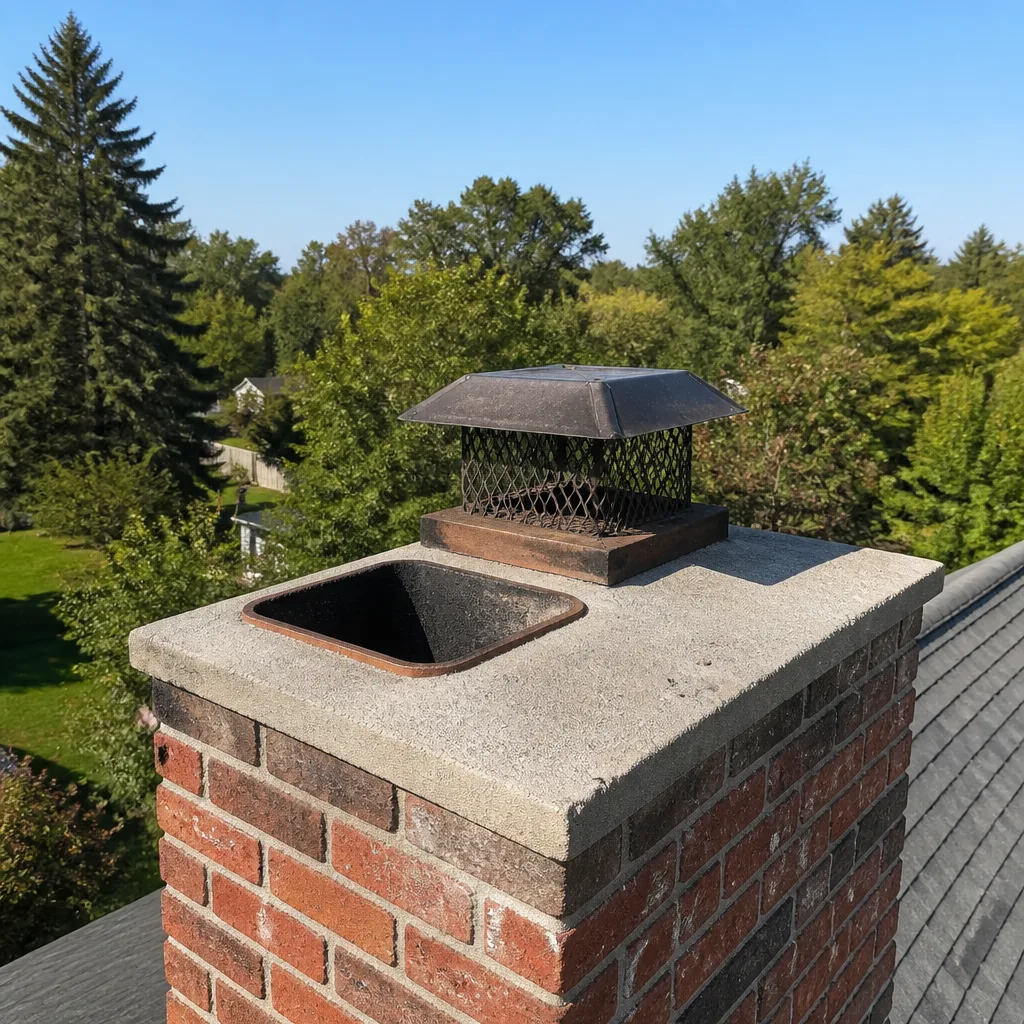
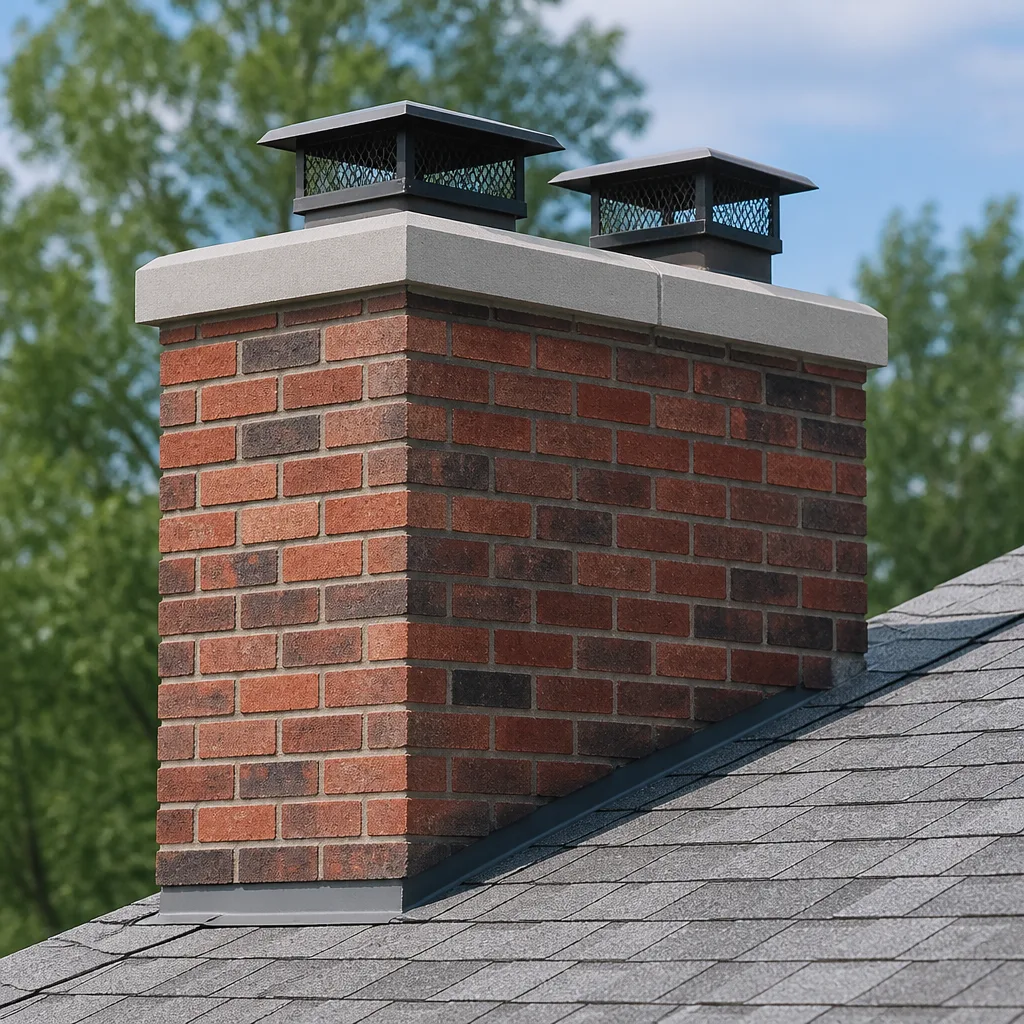
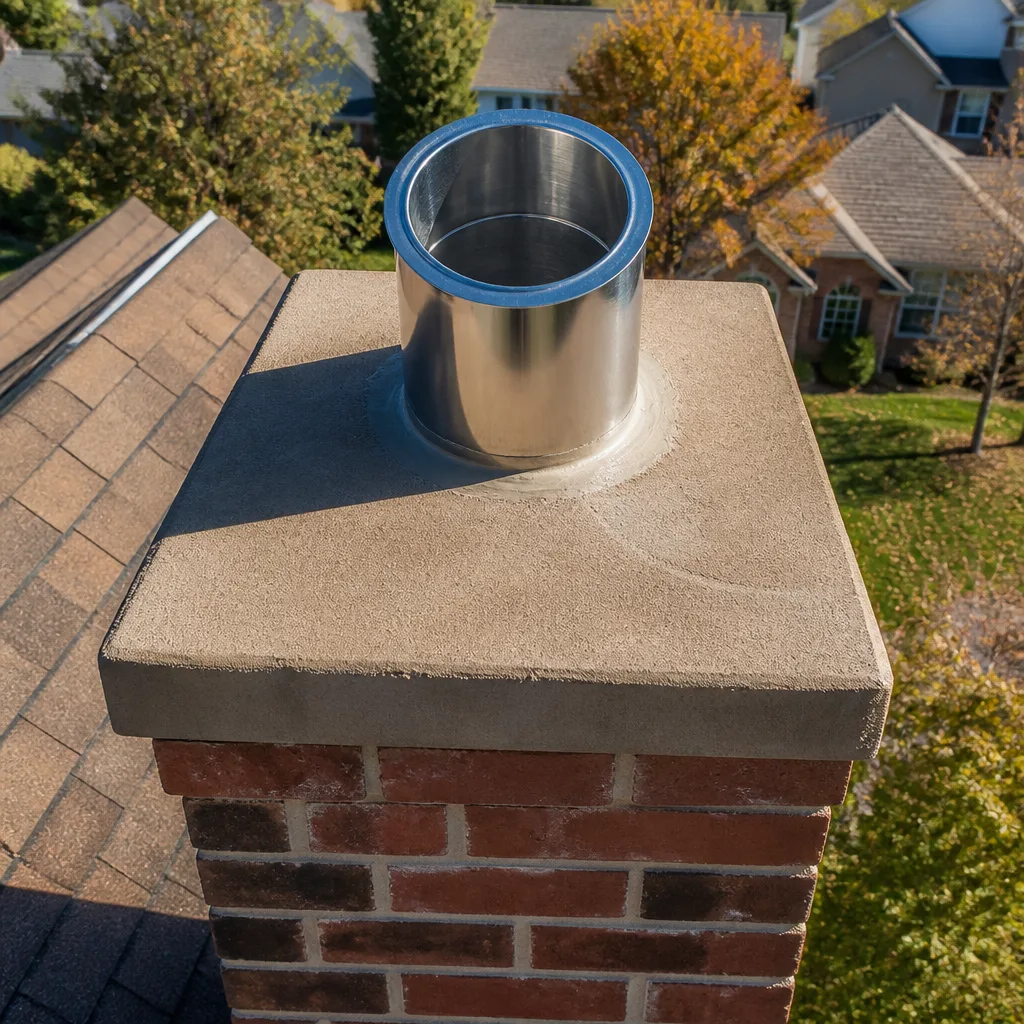
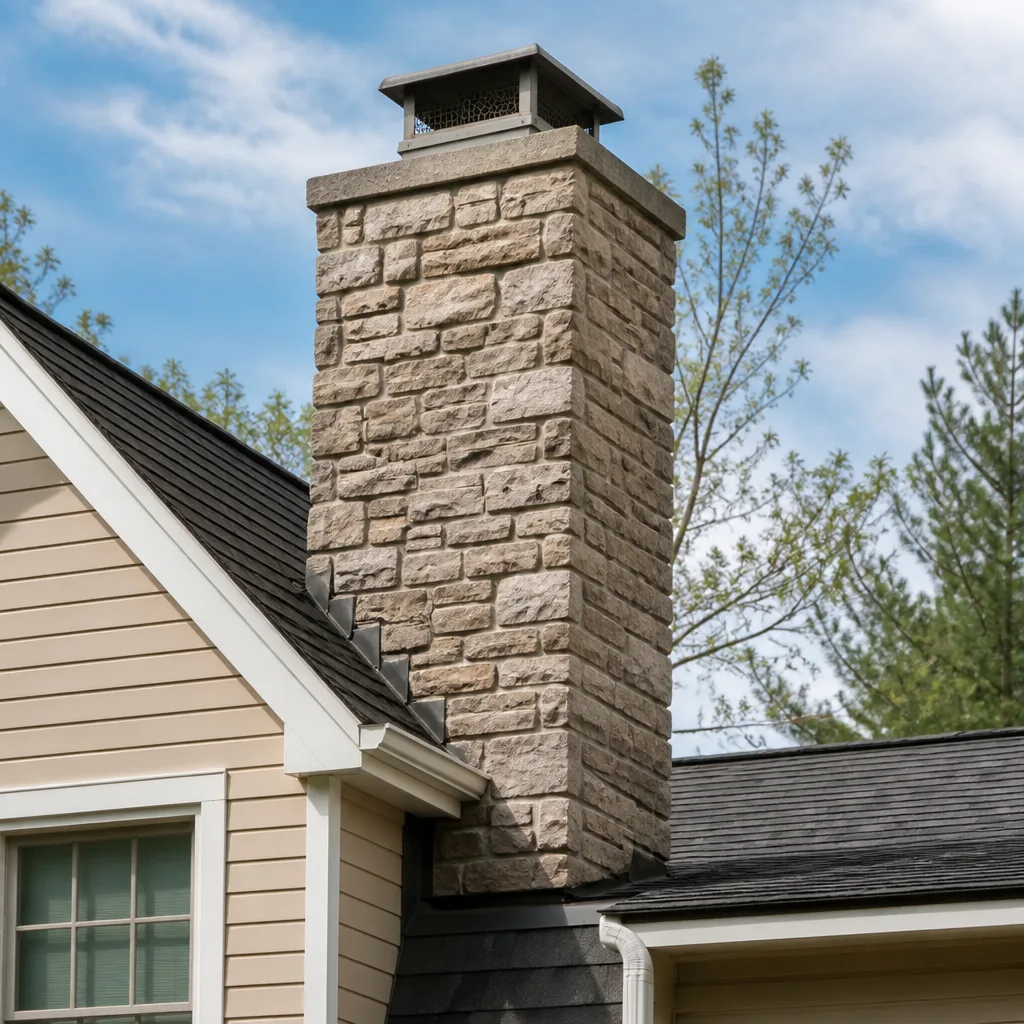
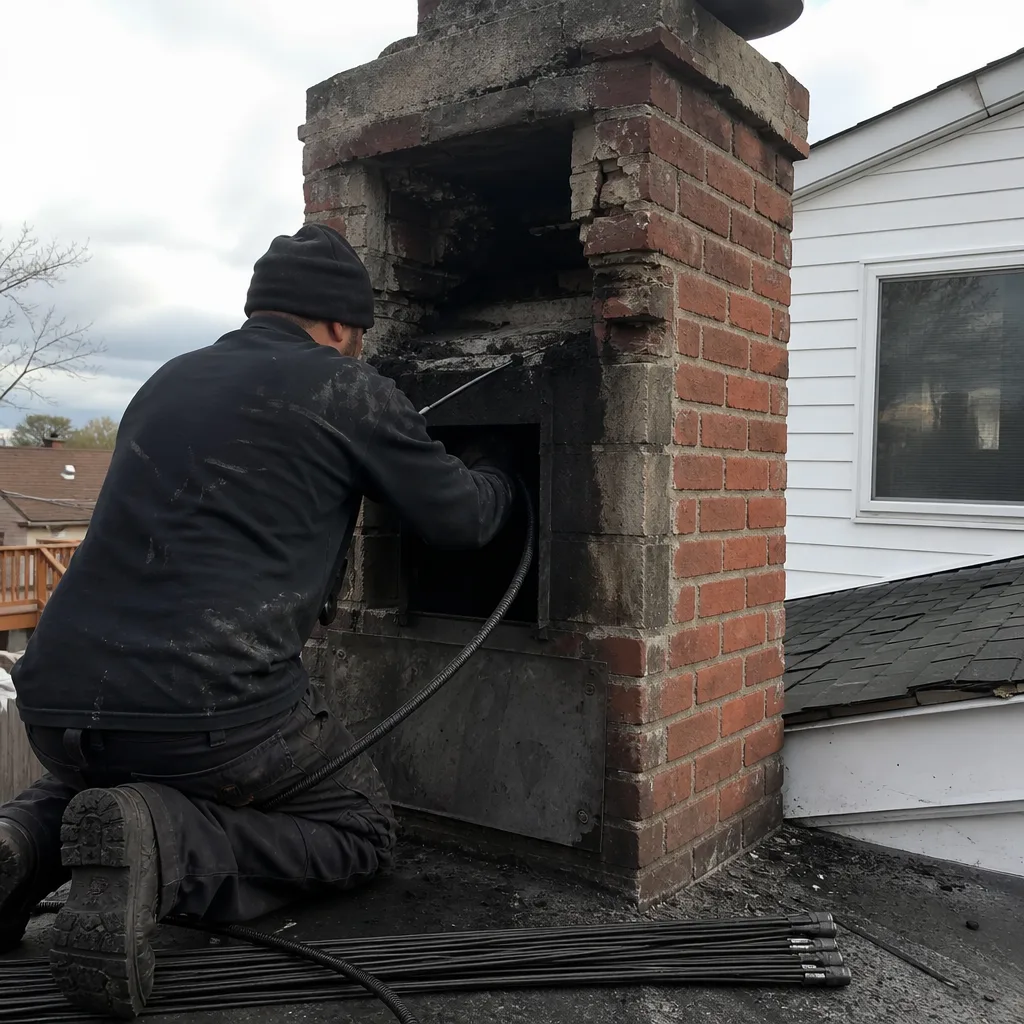 Before
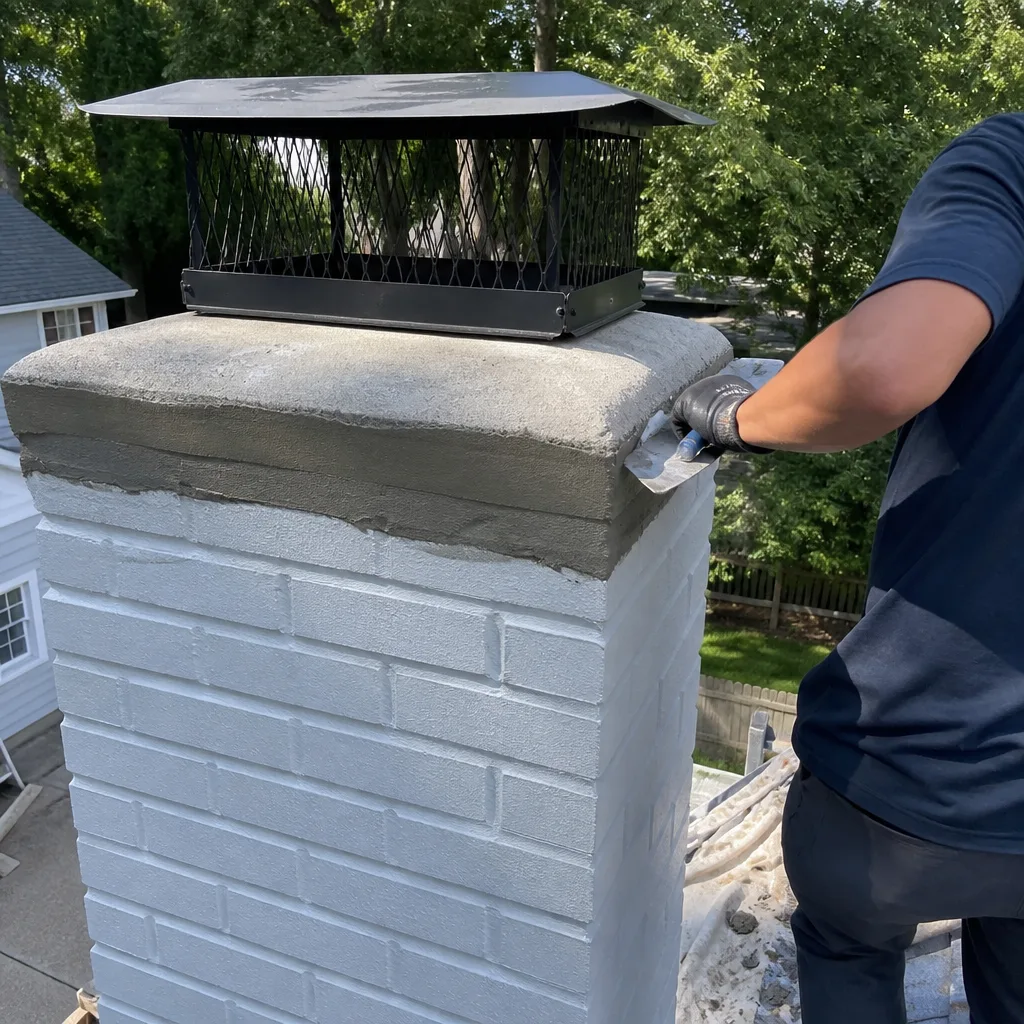 After
After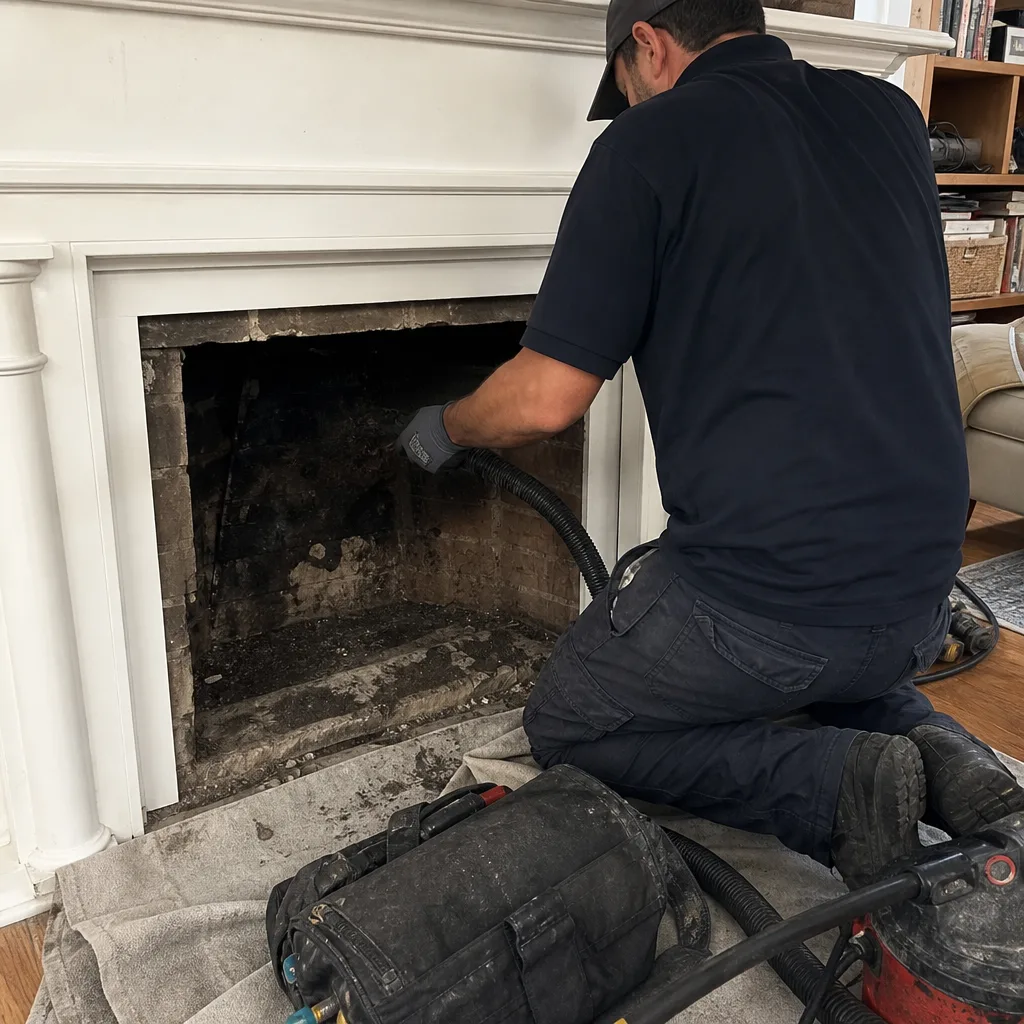 Before
 After
After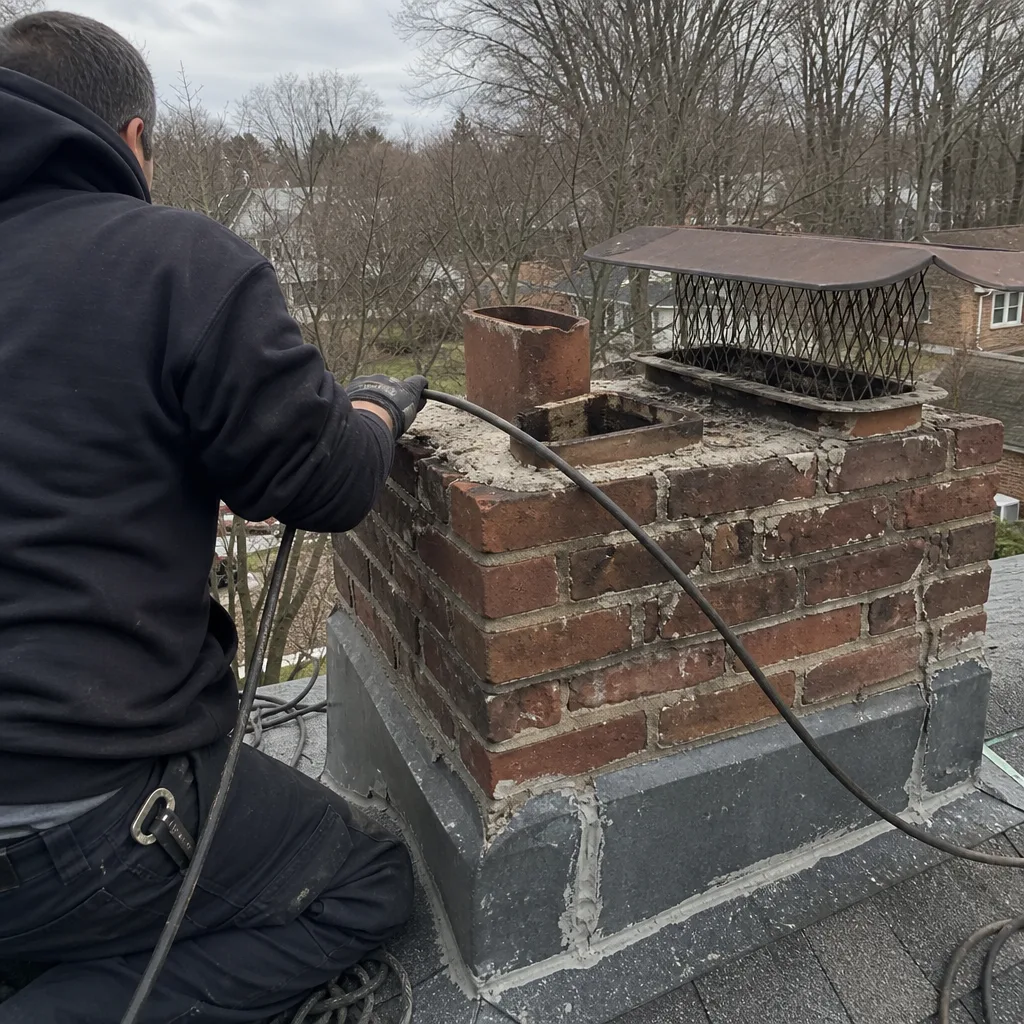 Before
 After
AfterThe Complete Guide to Chimney Cleaning in Alexandria
Alexandria sits in a humidity corridor that accelerates creosote buildup faster than most national rate charts account for. The standard “once a year” rule was written for drier climates, and it doesn’t tell the whole story here along the Potomac. We’ve swept thousands of Alexandria flues since 1999, and the pattern is consistent: a chimney that would pass inspection in Arizona can be dangerously glazed after two seasons here. This guide is the unvarnished truth about what a cleaning actually involves, what it should cost, what corners look like when they’re being cut, and when you can honestly wait another season. For more guides & resources, see our blog. You’ll learn how humidity changes creosote staging, how to read a sweep’s report like a pro, and why the cheapest quote in Alexandria is usually the most expensive mistake.
Quick Answer
Chimney cleaning in Alexandria typically costs between $180 and $340 for a standard Level 1 sweep, and most homes should have it done annually because the Potomac corridor’s humidity accelerates creosote buildup faster than national averages predict.
Table of Contents
- Why Alexandria’s Humidity Changes Everything
- The Difference Between a Cleaning and an Inspection
- What a Proper Level 1 Cleaning Should Include
- Creosote Staging in Alexandria: What Your Sweep Should Explain
- The Wood You Burn Matters More Than You Think
- How to Read Your Sweep’s Report and Spot Vague Language
- What Chimney Cleaning Costs in Alexandria
- Common Mistakes to Avoid
- When to Call a Professional
- Frequently Asked Questions
- The Bottom Line
Why Alexandria’s Humidity Changes Everything
Your flue doesn’t care how the fire looks. It cares how it breathes. And in Alexandria, it breathes damp air for most of the year. The National Fire Protection Association writes its chimney maintenance standards for a national audience, but they don’t account for a climate where summer dew points regularly exceed 70 degrees and winter brings freeze-thaw cycles that pull moisture through masonry. What this means in practical terms is simple: creosote forms here faster and changes form more aggressively than the charts suggest.
When you burn wood, smoke carries unburned particulates up the flue. In a dry climate, those particulates stay relatively loose and brush off easily. In Alexandria’s humid air, moisture binds with those particulates and creates a denser, stickier compound. Within a single season, what started as first-degree creosote (the flaky, brushable kind) can advance to second-degree or begin glazing toward third-degree. That’s the hard, tar-like stage that requires chemical treatment or mechanical removal with specialized rotary tools.
We’ve seen chimneys in Old Town, Del Ray, and Seminary Hill that were cleaned in spring and had significant reglazing by the following January. The heat from burning dries the surface layer, but the humidity from Alexandria’s Potomac-corridor climate keeps working at the creosote from the outside, baking it through repeated cycles of damp and dry. This is why the blanket advice to “clean every year” is actually conservative advice here, not a sales pitch. In dry western states, you can sometimes skip a year. In Alexandria, skipping is a gamble you make against your own house.
This humidity also affects masonry, not just creosote. Brick and mortar absorb moisture during Alexandria’s long humid stretches, then freeze during January cold snaps. Spalling (the flaking of brick faces) and mortar joint failure are more common here than in areas with stable humidity. A proper chimney cleaning in Alexandria should include a quick exterior check for these conditions, because the two problems feed each other: cracked masonry lets in more moisture, which accelerates creosote, which accelerates corrosion of the flue liner. It all starts with the climate we live in.
The Difference Between a Cleaning and an Inspection
This is the single most misunderstood part of residential chimney care, and some contractors in Alexandria deliberately blur the line. Our How to Hire a Chimney Cleaning Contractor in Alexandria: A Step-by-Step Guide can help you spot the difference. A sweeping is the physical removal of creosote and soot from the flue. An inspection is the evaluation of the chimney’s structural and functional condition. They are different jobs with different purposes, and bundling them is not automatically a sales pitch. Here is the truth: the NFPA recognizes three levels of inspection, and a Level 1 is actually required as part of every cleaning. It’s not an upsell. It’s the standard of care.
A Level 1 inspection happens during the sweep. The sweep examines the readily accessible portions of the chimney, the appliance connections, and verifies the flue is free of obstruction and combustible deposits. Most working chimneys in homes that haven’t changed their setup only ever need a Level 1. If a company in Alexandria tries to charge you a separate fee for this during a routine cleaning, that’s a corner being cut. It’s included in the price of any professional sweep worth hiring.
A Level 2 inspection is more involved. It includes everything in Level 1, plus a camera scan of the flue interior, an attic and crawlspace inspection where accessible, and an evaluation of the exterior. This is called for when something significant has changed: you’ve had a chimney fire, you’re buying or selling the house, there’s been an earthquake or major storm, or you’re making changes to the system, like switching from wood to gas. In Alexandria, we also recommend a Level 2 after heavy Potomac flooding events, because underground flue sections and ash pits can hold water against the liner for months.
A Level 3 inspection opens up walls or masonry that are concealing any portion of the chimney. This is rare and only done when a serious problem is suspected, like hidden damage after a fire. Most Alexandria homeowners will never need a Level 3.
The key point: every cleaning already includes a Level 1 inspection by any company doing the job right. If a sweep quotes you a cleaning and then offers an inspection “add-on” for extra money, that is either padding the bill or admitting they weren’t going to do it in the first place. Either way, thank them for the red flag and call someone else. The Chimney Cleaning & Sweep in Alexandria done right always includes the Level 1 inspection, because you can’t separate the two and call it complete work.
What a Proper Level 1 Cleaning Should Include
Here’s what a legitimate, professional chimney cleaning looks like when it’s done correctly in Alexandria. If a company skips any of these steps, you are paying for a partial job.
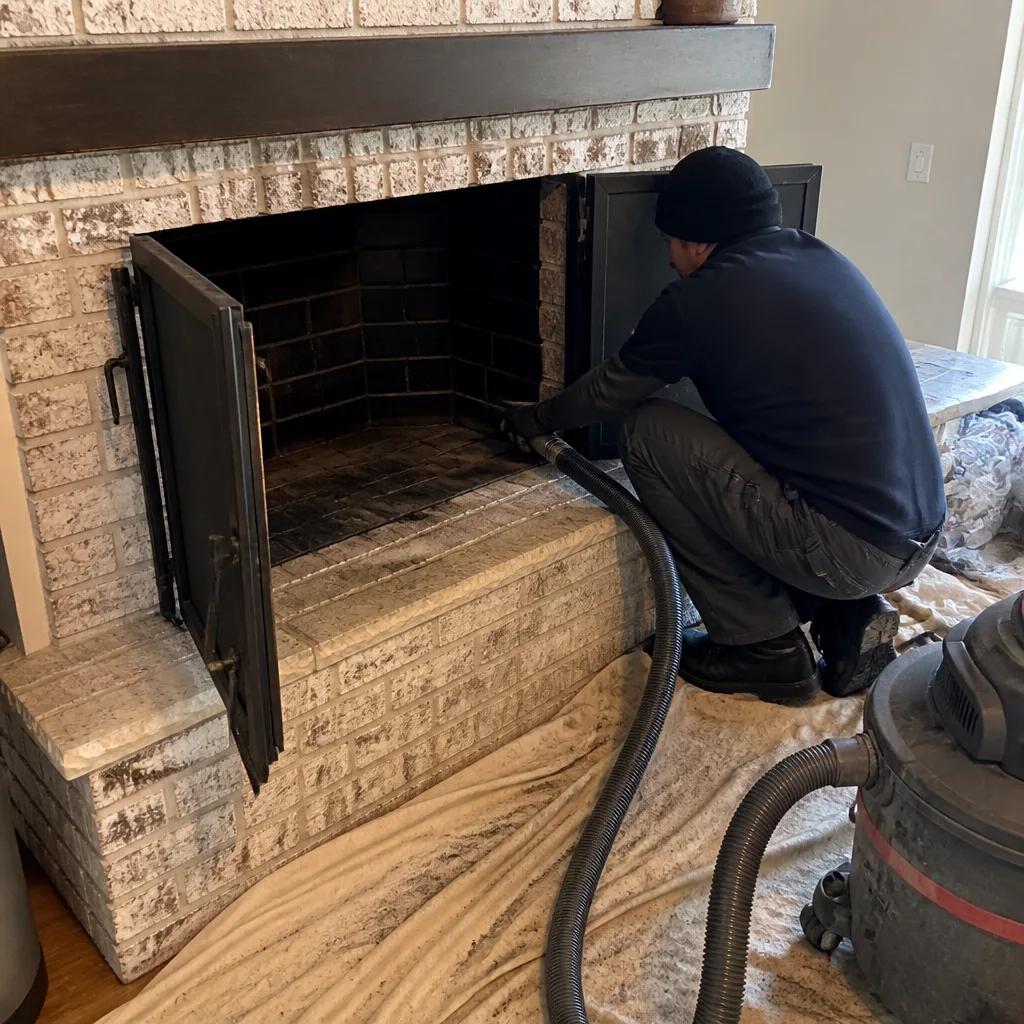
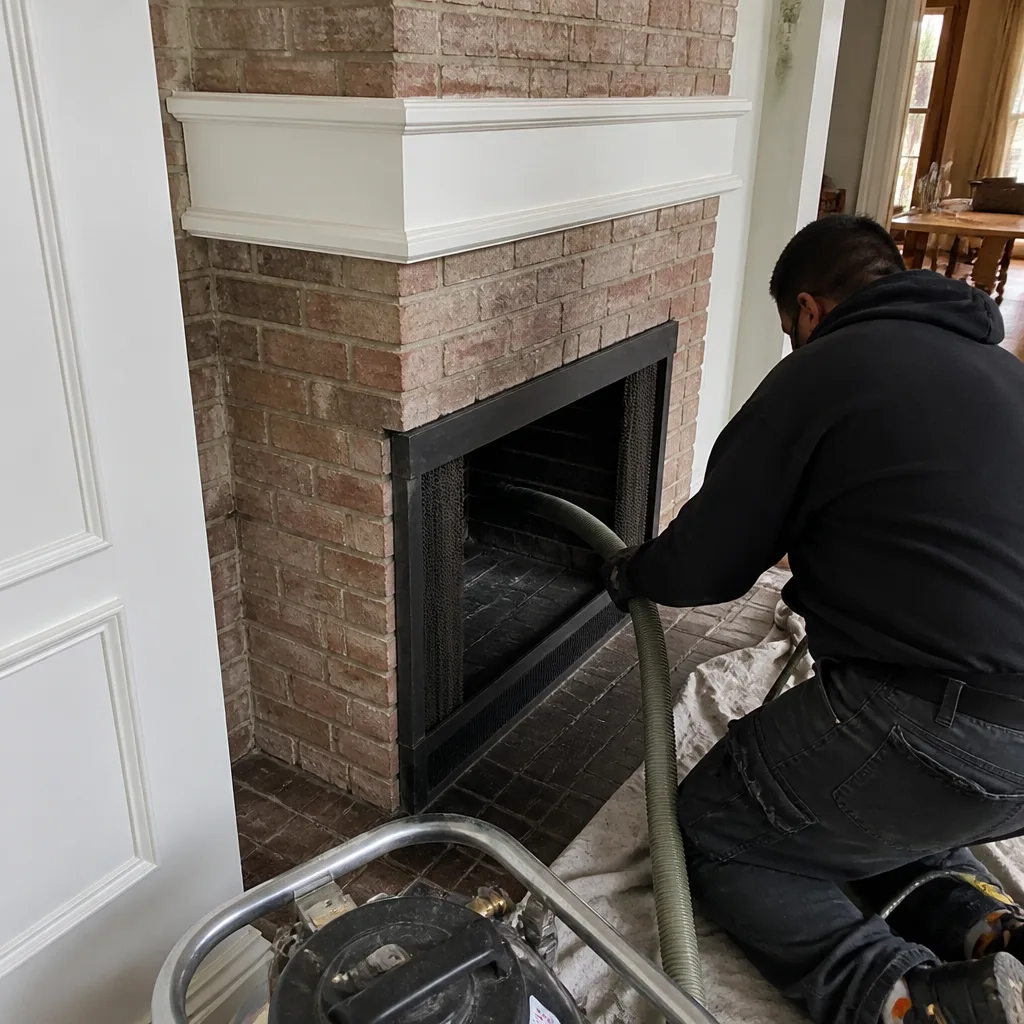
- Drop cloths and floor protection laid before work begins. This sounds obvious, but it’s the first corner cut by companies rushing through jobs. Your floors in Old Town or Rosemont should be as clean after the sweep as before.
- The firebox is sealed or the opening covered. A proper sweep uses a HEPA-filtered vacuum running during the entire cleaning. Not a shop vac, not a broom. Creosote dust is fine enough to be airborne, and HEPA filtration is the difference between it staying in the fireplace or drifting through your living room.
- Mechanical brushing from the top down, or bottom up with the damper sealed, depending on the setup. The actual sweeping uses wire or poly brushes sized to your flue. A “chimney cleaning” that only uses a vacuum hose from inside the house is not a cleaning. It’s a light dusting.
- The smoke shelf and damper area brushed and vacuumed. This is where creosote accumulates heaviest because it’s the first flat surface smoke hits as it rises. It’s easy to skip because it’s awkward to reach, and skipping it means leaving behind exactly the creosote that’s most likely to ignite.
- The flue interior checked with a mirror or camera. We check with a camera on every single job, no exceptions. The camera footage and a plain-English verdict are part of the service. This is how you know the brushing actually got everything, and it’s how we catch cracks in the liner that a brush alone will never reveal.
- The cap and spark arrestor checked and cleared. Alexandria’s fall leaf load and the nesting habits of chimney swifts mean caps frequently accumulate debris. A swept flue with a blocked cap is a house waiting for smoke backup.
- The exterior masonry given a quick visual check. As noted above, Alexandria’s humidity and freeze-thaw cycles take a toll on brick. A professional should note spalling, cracked crowns, and deteriorating mortar during the routine sweep.
- A written report with photos. You should receive documentation of what was found and what was done. Language matters here, and we’ll get into exactly how to read that report for vague wording later in this guide.
If a company in Alexandria quotes you $79 for a “full cleaning,” be skeptical. At that price, every single item on this list is being cut short. The vacuum isn’t HEPA. The brushes are rushed. The camera never comes out. The report is a one-liner. A cheap sweep is not a bargain. It’s a partial job with the missing parts sold back to you later.
Creosote Staging in Alexandria: What Your Sweep Should Explain
First-degree creosote is a brush job. Third-degree is a glaze, catch it early. The staging system matters because it determines what your chimney actually needs, and in Alexandria, the staging moves faster than the national norms.
First-degree creosote is the flaky, brownish-black soot that rests on the flue walls. It brushes off easily and accounts for the majority of what a standard cleaning removes. In drier climates, a chimney can sit in first-degree stage for years. In Alexandria’s humidity, first-degree is a short-lived stage. The moisture accelerates the chemical bonding that turns powder into paste.
Second-degree creosote is the crunchy, tarred version. It looks like dark, brittle cornflakes or crusted coffee grounds stuck to the flue. It needs harder brushing and can resist a standard wire brush. Some sweeps charge extra for second-degree work, which is reasonable, because it takes longer. What’s not reasonable is not explaining that you’re in second-degree before the job starts. When we find it, we tell the homeowner what it means and what it costs before any tool goes up the flue. No-hassle upfront pricing before a single tool comes off the truck. That’s how it should work in Alexandria, every time.
Third-degree creosote is the glaze. It’s shiny, tar-like, and it has hardened onto the flue walls. A brush will not remove it. This stage often requires chemical treatment (like our PCR or Anti-Creo-Soot products) followed by mechanical agitation with rotary chains, or in severe cases, removal and relining. Third-degree creosote is a chimney fire waiting for a spark. If a sweep tells you they cleaned your third-degree flue with a standard brush and a vacuum, they’re either lying or dangerous.
The honest truth about Alexandria: because of the humidity, you’re more likely to sit in second-degree creosote than a homeowner in Richmond or Charlottesville would be after identical burning habits. That’s not a scare tactic. It’s what the Potomac corridor does. The good news is that annual cleaning almost always keeps you out of third-degree territory. It’s the skipped year that pushes things past the point of a simple brush job.
The Wood You Burn Matters More Than You Think
We’ve seen Alexandria homeowners spend thousands on chimney repairs while burning the wrong wood the whole time. The wood itself is rarely the root cause of damage, but it dramatically speeds up creosote buildup, and some popular local choices are bigger contributors than people realize.
Alexandria homeowners have good access to hardwoods from Virginia suppliers: oak, hickory, and maple from the Shenandoah Valley, cherry and walnut from central Virginia. These are excellent firewoods, but they all share one characteristic that matters for your chimney: high density. Dense hardwoods burn hotter and longer, which is good for heat output, but if they’re not adequately seasoned, they smolder and produce creosote-heavy smoke. A green oak log contains up to 50% moisture by weight. Every pound of that water has to boil off before the wood burns cleanly, and while it’s boiling off, the fire burns cool and dirty. Cool, dirty fires are how creosote forms.
The rule of thumb for Alexandria: wood should be split and stacked off the ground, covered on top but open on the sides, for at least 12 months before burning. Our humidity slows the seasoning process compared to places like Denver or Phoenix. A moisture meter should read under 20% for most hardwoods, under 25% for oak. If you don’t have a moisture meter, look for cracks radiating from the center of split ends and a hollow, clunky sound when two pieces are knocked together.
One mistake we see repeatedly in Alexandria: burning construction lumber, painted wood, or plywood scraps from home projects. This wood is often kiln-dried Douglas fir or pine, which burns hot and fast, but the resins and chemical treatments in it produce a creosote that is stickier and more corrosive than anything natural hardwood produces. We can tell in five minutes whether a flue has been burning construction scrap. The buildup is blacker, shinier, and more stubborn. Never burn anything that has paint, stain, glue, or pressure treatment on it.
Pine and other softwoods are not the enemy they’re made out to be, as long as they’re seasoned. They burn fast and don’t produce as much heat per cord, but their creosote is not inherently more dangerous than hardwood creosote. The difference is that people tend to burn pine because it’s cheap and available, and they burn it wet, because softwood takes less time to season. If you’re burning pine, make sure it’s dry, and understand that you’ll go through it faster, which means more total fires, which means more creosote over the same winter, even if each individual fire is clean enough.
How to Read Your Sweep’s Report and Spot Vague Language
This is where Alexandria homeowners get misled. The report is supposed to be your protection, but vague language in a report often protects the contractor who wrote it. Here’s how to tell the difference.
Look for specific numbers and locations. A good report says something like “Flue shows second-degree creosote in the upper 8 feet, heaviest on the north face. Glazing begins at the 12-foot mark, extending 3 feet. No cracks visible in liner. Damper functions properly. Cap has minor rust but remains structurally sound.” A vague report says “Chimney shows signs of wear. Recommend further evaluation.” That second sentence tells you nothing and forces you to call back for a paying visit or submit to additional charges.
Watch for weasel words that give you no actionable information: “serviceable,” “functional,” “within acceptable limits,” “appears to be.” These phrases mean the sweep either didn’t look closely enough or didn’t want to commit. Either way, they shift the risk to you. In Alexandria, where our old brick chimneys (many in Old Town and Del Ray date to the 1930s and earlier) have legitimate aging issues, you need a report that commits to specific conclusions.
Here’s what a written report from a professional Alexandria sweep should contain at minimum:
- The condition of the flue liner with specific terminology (intact, cracked, spalling, missing sections)
- The degree of creosote and the location of the heaviest buildup
- The condition of the cap, crown, and flashing
- The function of the damper (opens fully, seals properly, meets local code requirements)
- Any water intrusion evidence, with photos of the specific area
- Whether the chimney meets current fire code for Alexandria and Fairfax County
- Specific recommendations with a clear priority order (fix now, fix this season, monitor for now)
When we complete a cleaning in Alexandria, the camera footage and a plain-English verdict come with every single job, no exceptions. You watch the camera on our screen. You see what we see. You get photos in the report. There is no point in the process where you are being asked to trust a conclusion you haven’t seen evidence for. That’s the only way a report protects you, and if a report doesn’t do that, it’s not a report. It’s a receipt with a suggestion attached.
What Chimney Cleaning Costs in Alexandria
Let’s get specific, because vagueness about pricing is how Alexandria homeowners get burned at the door.
A standard Level 1 chimney sweeping in Alexandria runs between $180 and $340. That includes the Level 1 inspection, the brushing, the vacuuming, and the written report. If you’re paying under $150, you’re getting a partial job. If you’re paying over $400 for a routine sweep with no special circumstances, you’re paying too much.
- Standard Level 1 sweep with inspection: $180 – $340
- Second-degree creosote removal (heavier tarred buildup): $250 – $450
- Third-degree glaze removal (chemical + rotary treatment): $500 – $1,100
- Camera inspection as a separate service (Level 2): $200 – $350
- Chimney cap replacement: $150 – $450 depending on material and size
- Crown repair (standard concrete crown): $350 – $800
These are the ranges we see across Alexandria and Fairfax County. The variance comes from flue height (a three-story rowhouse in Old Town costs more to sweep than a single-story rambler in the West End), the degree of creosote, and accessibility. A chimney that requires a tall ladder or special roof access will push toward the higher end. A straightforward interior fireplace with a rooftop access point runs on the lower end.
Ask anyone on your street what they paid. The numbers should cluster in these ranges. If someone quotes $99 and someone else quotes $450 for the same house, ask both to explain what’s included. The $99 quote is leaving something out, and the $450 quote is charging for something you didn’t need. We give upfront pricing before a single tool comes off the truck, and the number you hear on the phone is the number on the invoice. No surprises, no add-ons, no “while we were in there” discoveries that mutate the price.
For repairs, we run a standing offer in Alexandria: $40 off any repair over $200. And if you have a written estimate from another company, we’ll give you a free second opinion on it. That’s not a gimmick. It’s how we’ve worked since 1999, and it’s how a local, owner-operated chimney company should work. Call (571) 521-4837 and Wendell will go over what you need and what it should cost, over the phone, before you commit to anything.
Common Mistakes to Avoid
- Skipping years because “we barely use the fireplace.” Once a year, burn or no burn. Chimneys break in the off-season too. Moisture, animal nests, and cap damage happen whether you light a fire or not. Alexandria’s humid summers are working on your masonry every single week you ignore it.
- Hiring the cheapest sweep you can find on a coupon site. A $79 coupon is a paid advertisement for a door-to-door upsell. The company loses money on the sweep and makes it back selling you a liner you don’t need. If it seems too cheap to cover the cost of doing the job right, that’s because it is.
- Burning unseasoned wood. We covered this above, but it bears repeating: green or wet wood is the single biggest controllable factor in creosote buildup. The difference between a first-degree and second-degree flue in Alexandria is often just one winter of burning wet wood.
- Ignoring the cap. A missing or damaged cap lets in rain, which accelerates creosote glazing, and animals, which create blockages and nesting material that can catch fire. A cap replacement is one of the cheapest repairs you can make and one of the most preventative.
- Trusting a report that uses vague language. If the report says “appears functional” or “within acceptable limits,” it’s telling you nothing. Demand specifics. A contractor who won’t put specifics in writing is a contractor who wants room to argue later.
- Waiting until October to schedule. Alexandria’s chimney sweeps book up in September and October as soon as the first cool night hits. If you call in November, you’ll wait weeks, or you’ll burn with an uncleaned chimney because you don’t want to wait. Schedule in late summer. The weather is decent for roof work, and you’ll get the time slot you want.
- Converting to gas and never looking at the chimney again. Gas fireplaces still produce combustion byproducts, and gas logs can corrode dampers and liners over time. The chimney still needs an inspection, even if it doesn’t need brushing as often. We’ve seen gas chimney systems in Alexandria that hadn’t been opened in a decade, and some of them needed hundreds of dollars in work that an annual inspection would have caught early.
When to Call a Professional
Call a professional chimney sweep in Alexandria if you see any of these: smoke backing up into the room when the fireplace is lit, a strong campfire smell even when the fireplace is cold, visible black staining on the exterior of the chimney or surrounding ceiling, flaking brick or crumbling mortar on the outside of the chimney, rust on the damper or firebox, animals making sounds inside the flue, or if it’s simply been more than 12 months since the last cleaning. None of these are things you should attempt to diagnose from the ground with a flashlight. You need someone on the roof, inside the flue with a camera, and trained to see what the camera is showing. If you’re in Alexandria and need an honest assessment, Top Hat Chimney offers free estimates. Call (571) 521-4837 and we’ll tell you what you’re dealing with, in plain English, with the footage to prove it.
Frequently Asked Questions
A standard chimney cleaning in Alexandria typically costs between $180 and $340, depending on flue height, accessibility, and the degree of creosote buildup. Heavier second-degree or third-degree removal runs higher. For an exact quote on your chimney, call (571) 521-4837. Estimates are free, and the price we quote is the price you pay.
Once a year, burn or no burn. Alexandria’s humidity accelerates creosote buildup beyond national averages, and the off-season months are when moisture, animals, and cap damage do their work. Our Seasonal Chimney Cleaning Care for Alexandria: Year-Round Homeowner’s Guide breaks down what to watch for each season. Annual cleaning keeps you out of third-degree territory and catches small problems before they become big ones.
The creosote builds up in stages, and after two or three Alexandria winters, you’re likely dealing with second-degree at minimum, possibly glazing toward third. A flue with heavy second-degree creosote is a fire hazard waiting for a hot burn. The cleaning also costs more at that point, because the work is harder. Skipping saves you nothing in the long run.
You need camera evidence. A liner recommendation without camera footage is a sales pitch. If the liner is cracked, spalling, or missing sections, the repair is legitimate. If the sweep can’t show you the damage on camera, get a second opinion. We provide camera footage with every inspection, and we’ll tell you honestly when work can wait. Call (571) 521-4837 if you want a straight answer.
We don’t recommend it-see our DIY vs Professional Chimney Cleaning: The Alexandria Homeowner’s Decision Guide for the full breakdown. The flue is a confined space with creosote dust that’s harmful to breathe, and roof access on Alexandria’s older homes adds real risk. You also won’t have the camera to verify the flue is actually clean, and you won’t get the Level 1 inspection that catches liner damage. The dangerous parts of chimney work, including high-tension brushes in tall flues and work at roof height, belong to a trained professional with proper equipment.
A Level 1 inspection is included with every proper cleaning and covers the readily accessible portions of the chimney. A Level 2 adds a camera scan of the flue interior and is called for when something has changed, like a house sale, a chimney fire, a storm, or a fuel conversion. Most annual cleanings only need Level 1.
The Bottom Line
Chimney cleaning in Alexandria is not complicated, but it is specific. The Potomac corridor’s humidity means your chimney needs annual attention more than the national guidelines suggest, and the old houses here need a sweep who understands local masonry, local wood habits, and local code. A proper cleaning includes the camera, the report, and the plain-English verdict. It doesn’t include vague language, door-to-door upsells, or a coupon price that mutates when the truck arrives. Wendell Pike founded Top Hat Chimney in 1999, and the company has served Alexandria for over 29 years, built on one simple operating rule: do the job right, show you the evidence, and charge what was quoted. If it’s not done right, one call brings us back. That’s the 90-Day Done Right Promise, in writing, on every single job. If you’re ready for an honest chimney cleaning in Alexandria, call (571) 521-4837 or visit the Top Hat Chimney home to learn more about how we work. We also offer Chimney Repair in Alexandria and Fireplace Services in Alexandria for whatever your fireplace needs next.
Written by Wendell Pike, Owner at Top Hat Chimney, serving Alexandria since 1999.