
Last updated September 10, 2026
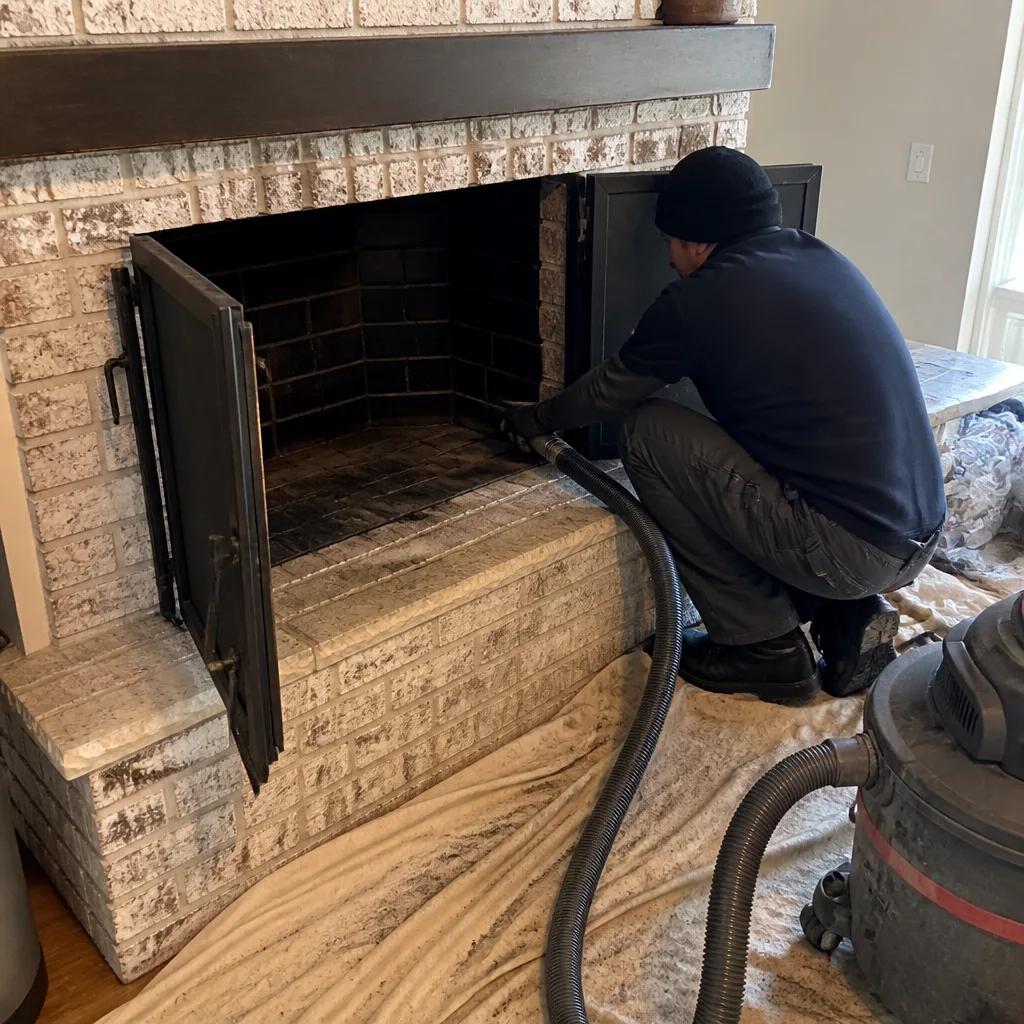
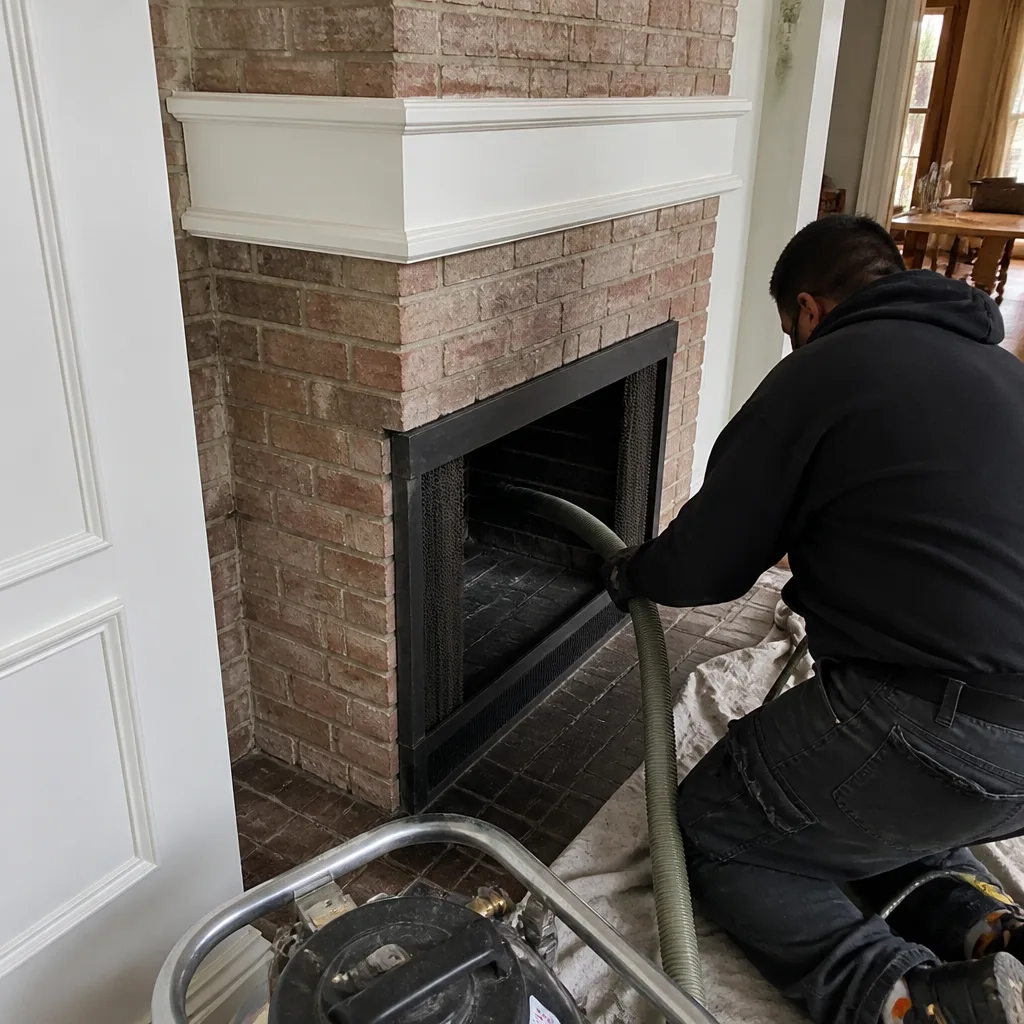
Level 1 sweep and inspection to the NFPA 211 annual standard - flue, crown, cap, and flashing checked and photographed
Chimney sweep logs do not sweep chimneys. They loosen some creosote - which then falls where a brush and vacuum still have to collect it.
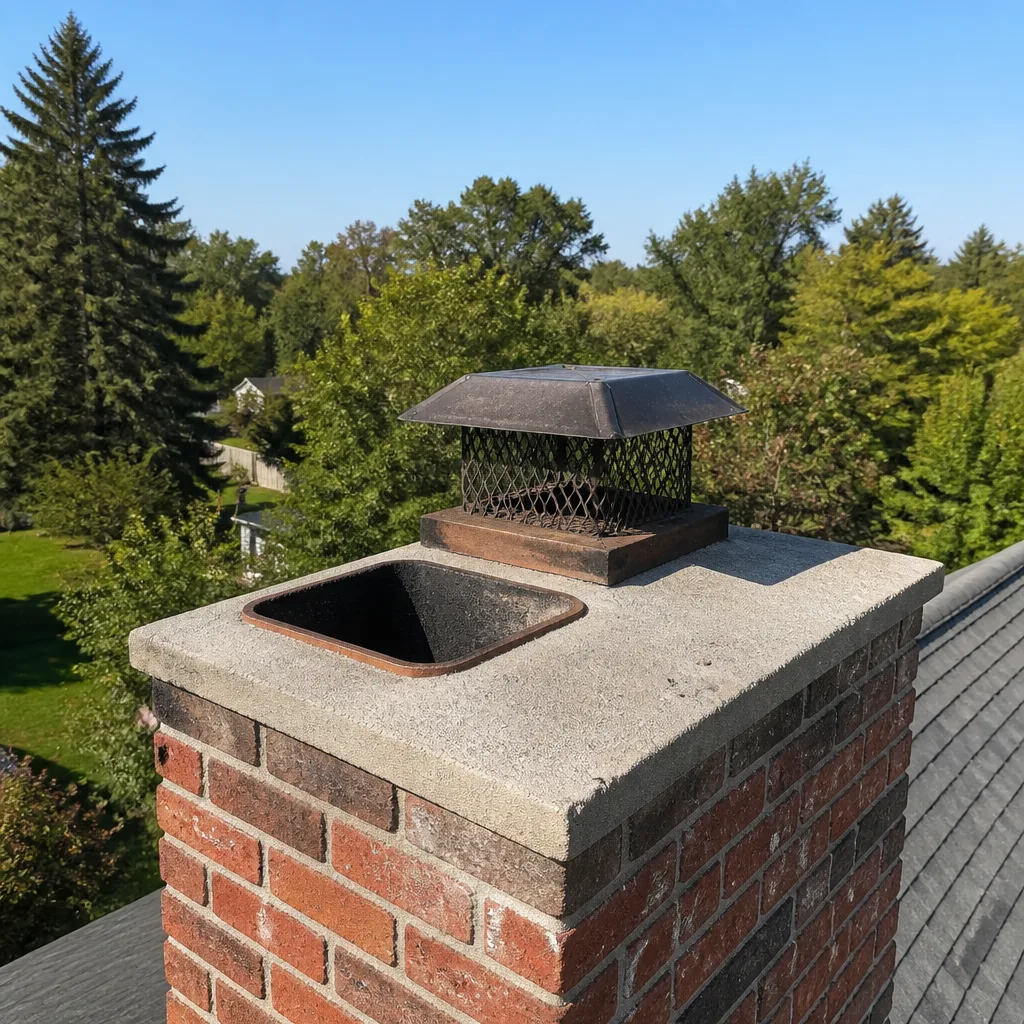
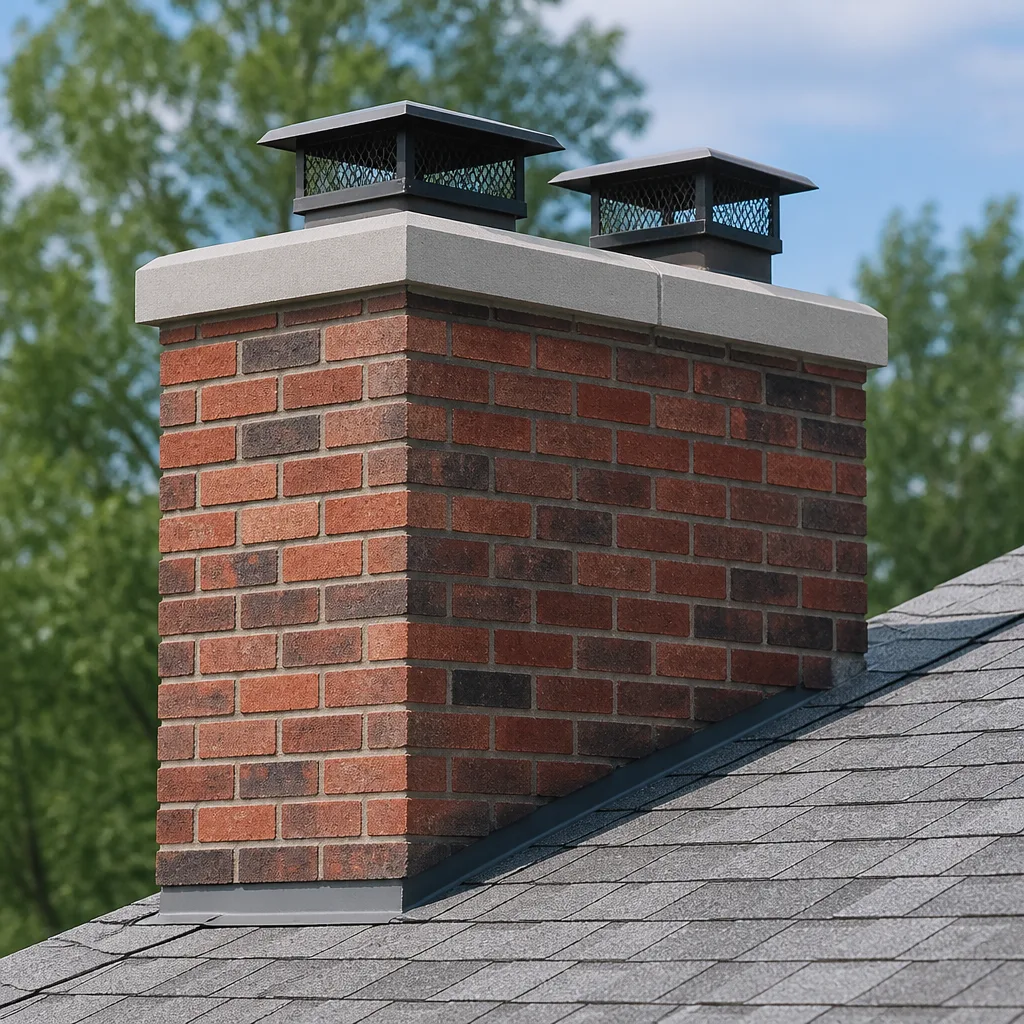
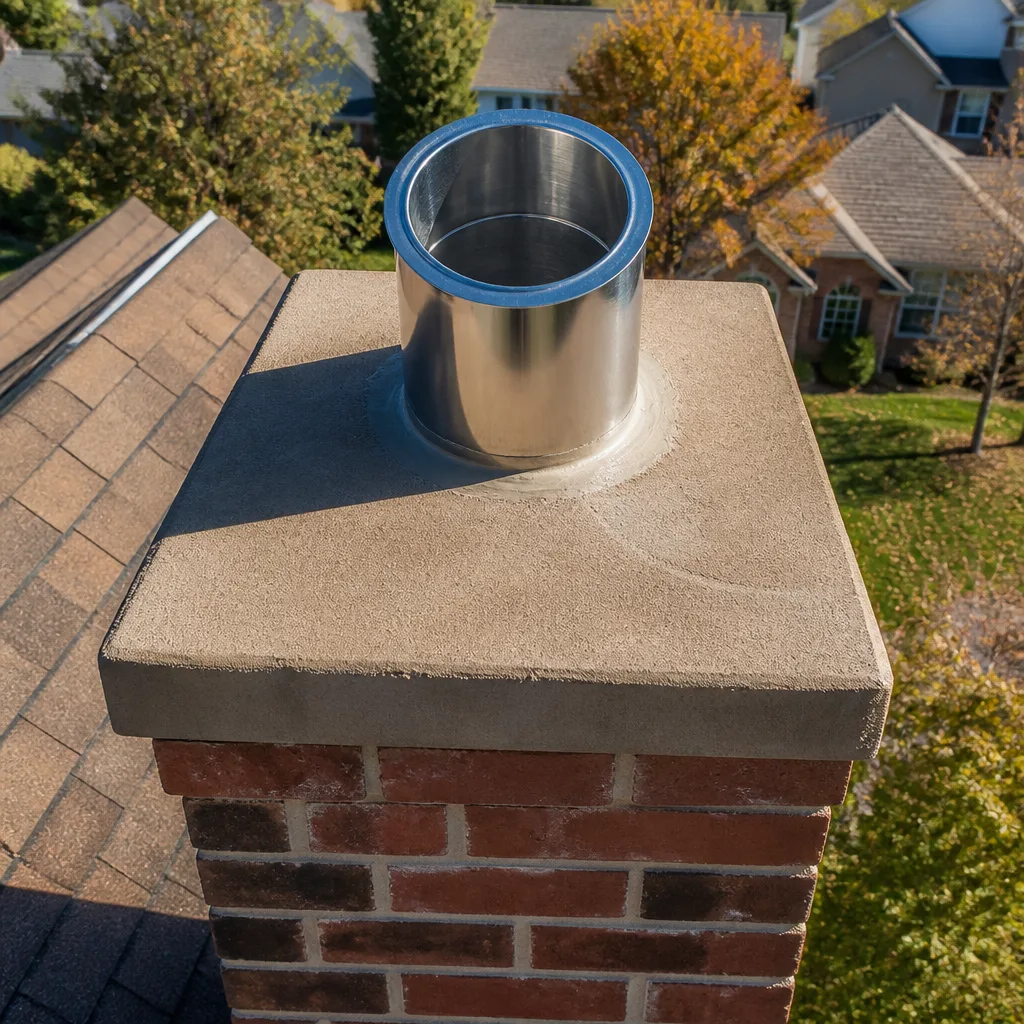
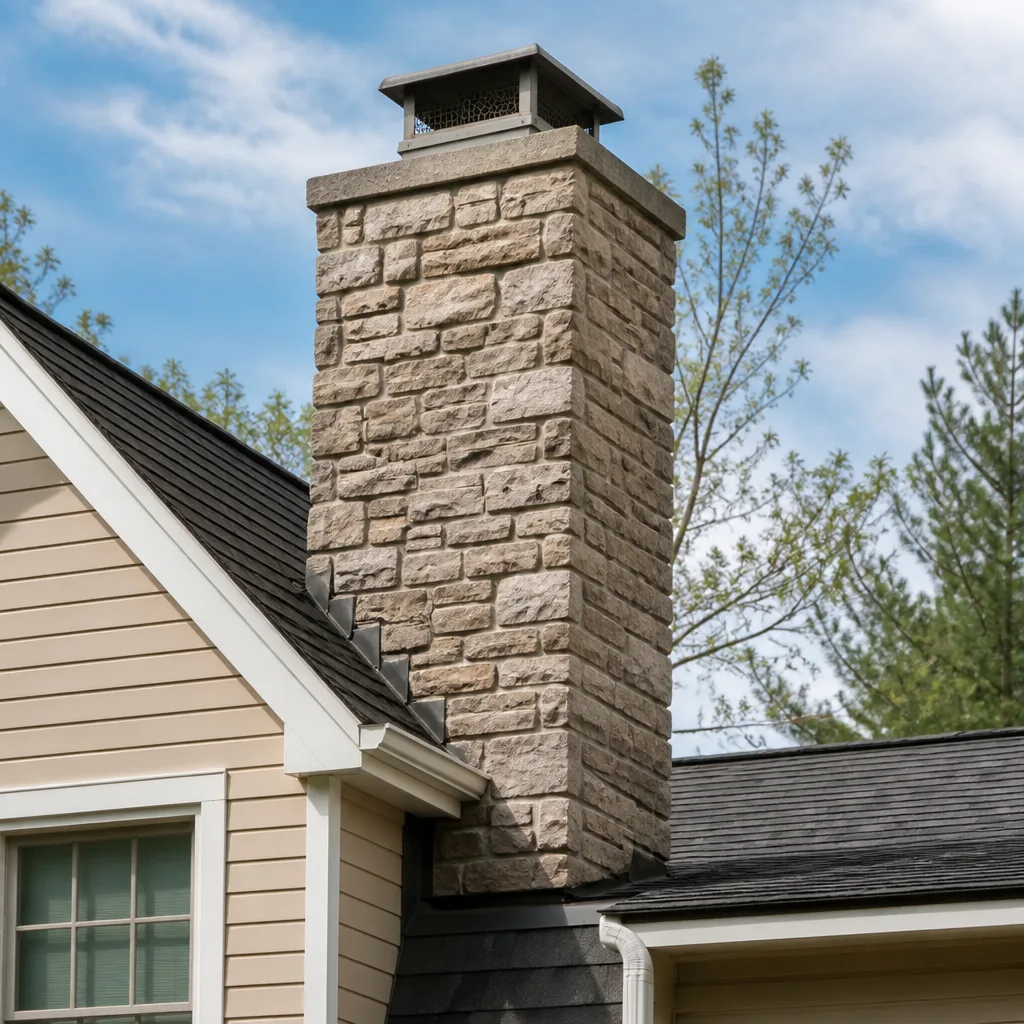
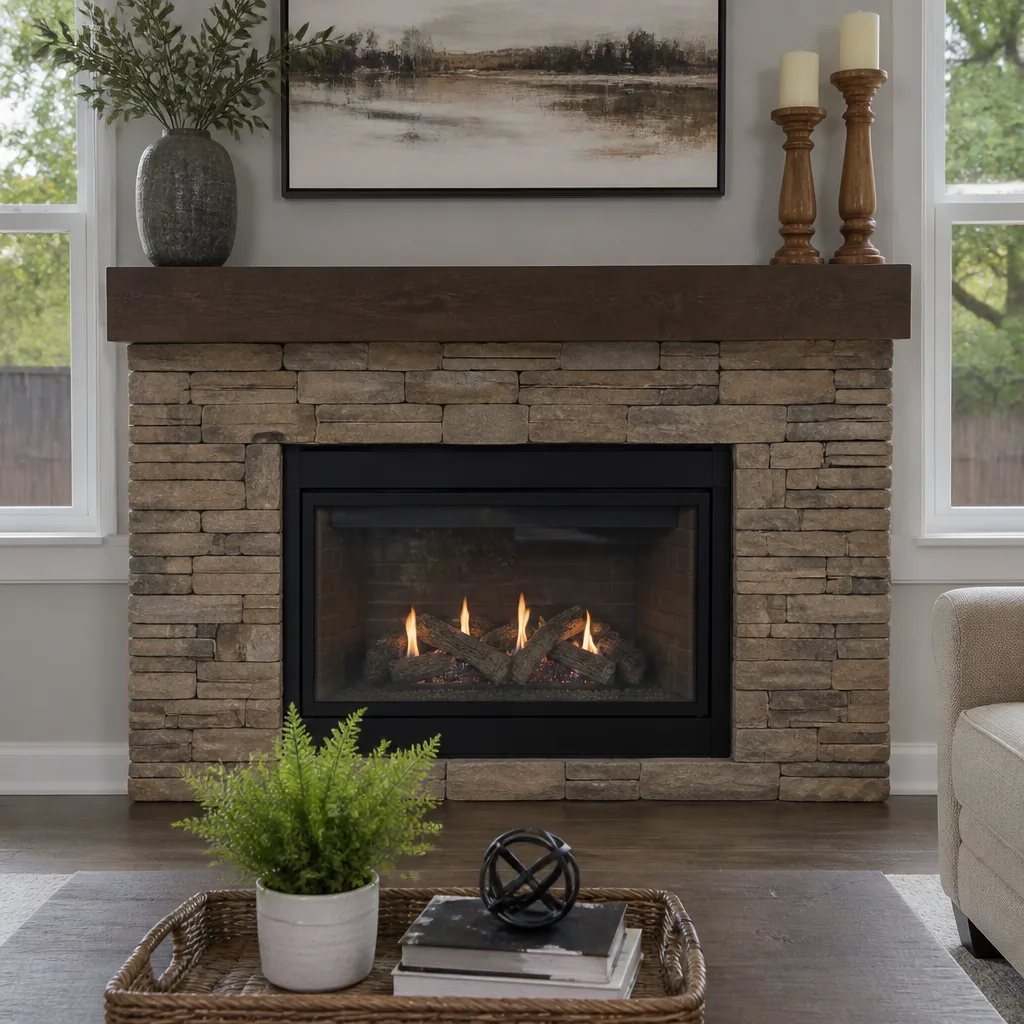
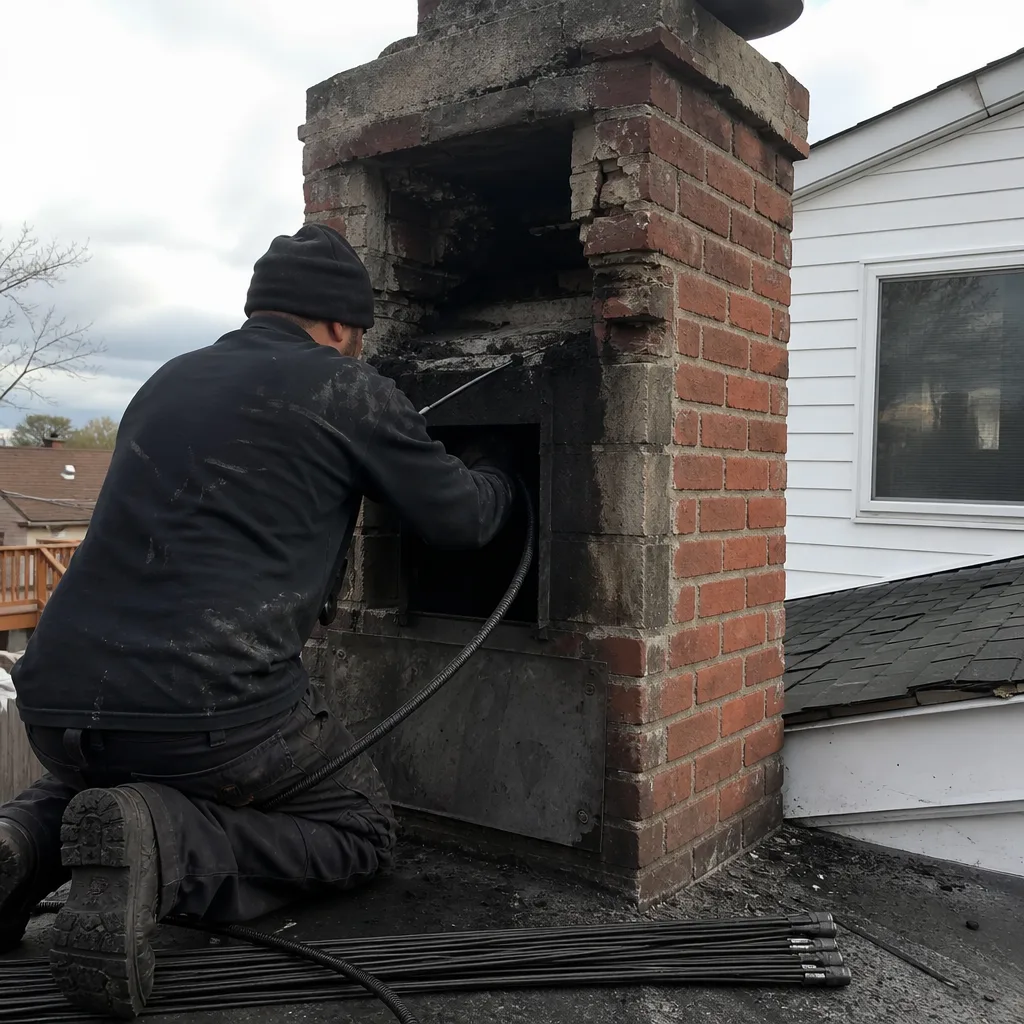 Before
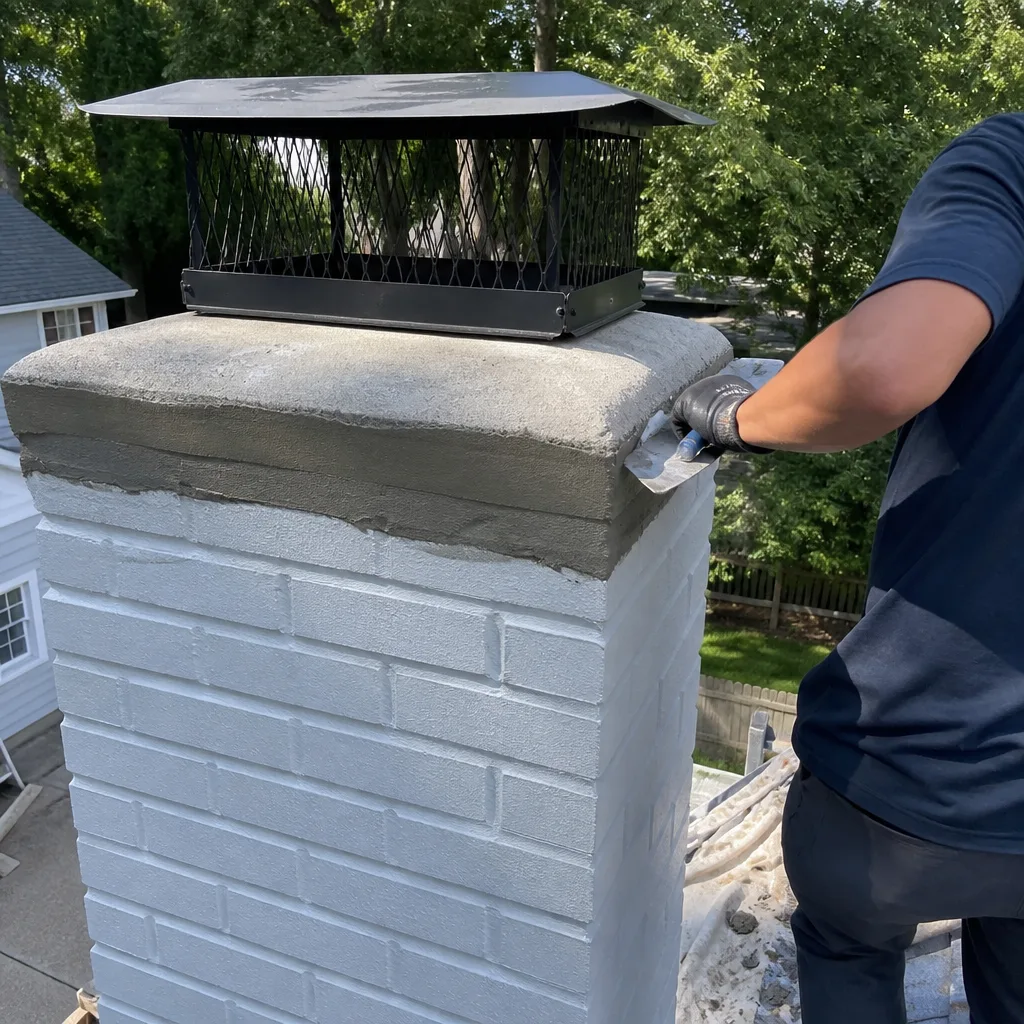 After
After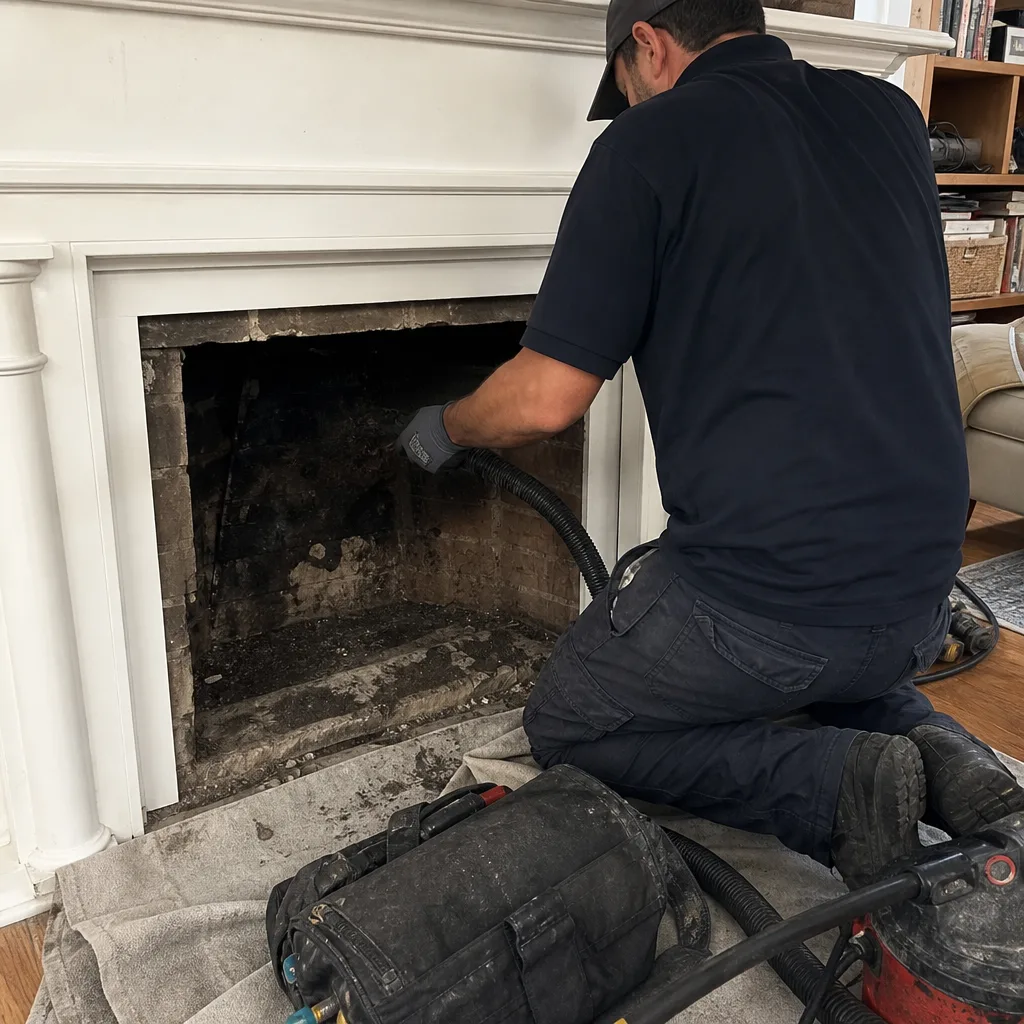 Before
 After
After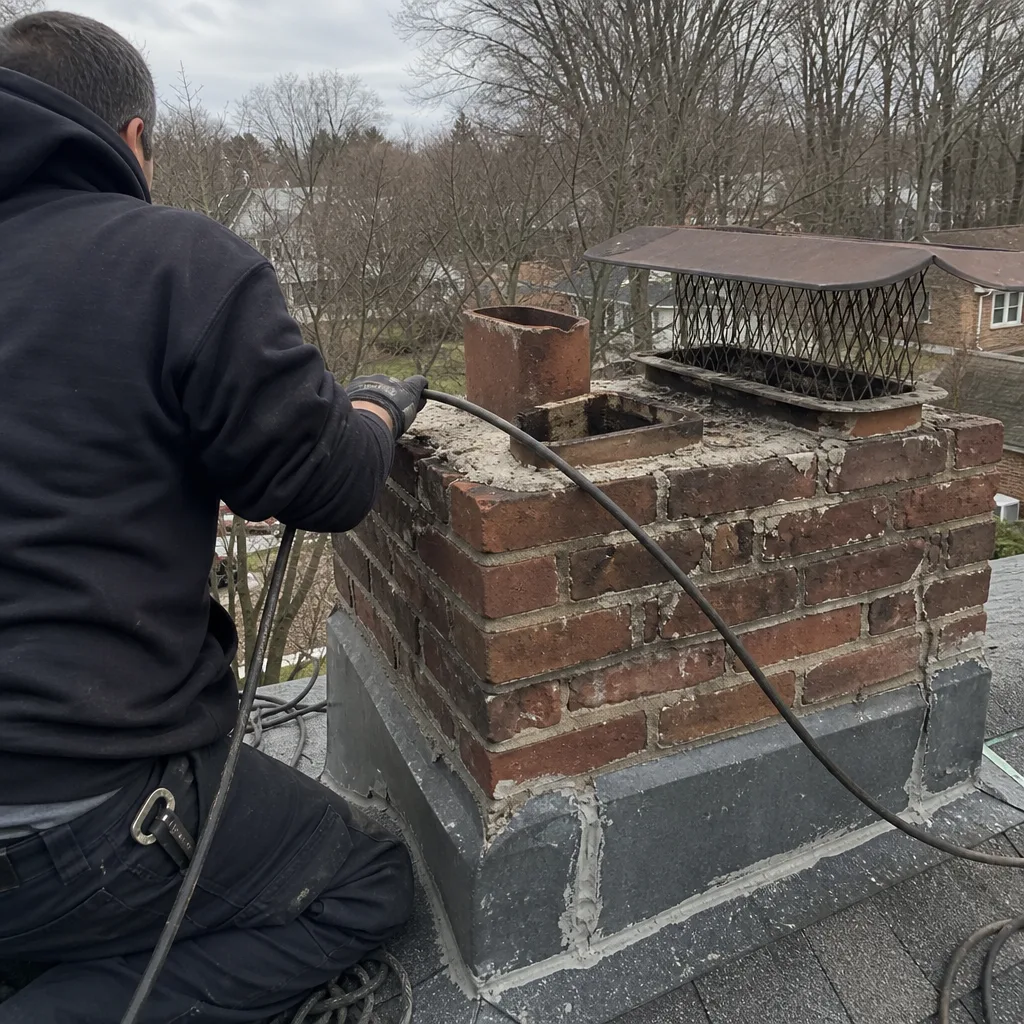 Before
 After
AfterChimney Cleaning Warning Signs: A Alexandria Homeowner’s Reference Guide
White staining on the outside of a chimney looks like a cosmetic problem. It’s called efflorescence, and it means water is moving through your masonry right now. In Alexandria’s freeze-thaw winters, that’s how a $300 cleaning turns into a $3,000 repair. Most homeowners in Alexandria walk past the early warning signs every single day without recognizing them. A chimney fire announces itself with a roar you’ll never forget. The quiet signals show up months before any danger, and they’re the ones that matter. This guide covers what to look for from the ground, what smells mean, what your fireplace is telling you from the inside, and how to know whether to act now or keep watching. For a deeper dive, see our Complete Guide to Chimney Cleaning in Alexandria.
Quick Answer
The chimney warning signs that matter most in Alexandria are: white staining (efflorescence) on exterior brick, a strong creosote smell indoors during humid weather, flaking mortar joints, visible smoke rolling into the room instead of up the flue, and animal sounds or debris coming from the chimney. Any one of these deserves a professional inspection. Most are quiet signals that appear months before a chimney fire or structural failure. If you’re weighing your options, our DIY vs Professional Chimney Cleaning guide can help you decide.
Table of Contents
- Efflorescence: The White Staining That Isn’t Cosmetic
- Odor Diagnostics: Three Smells, Three Different Problems
- Draft Problems: What Your Chimney Tells You Before a Sweep Arrives
- Interior Warning Signs: Firebox, Damper, and Smoke Chamber
- Exterior Checks You Can Do From the Ground
- Act Now vs. Watch It: A Triage Framework
- What Alexandria’s Climate Does to Chimneys
- Common Mistakes to Avoid
- When to Call a Professional
- Frequently Asked Questions
- The Bottom Line
Efflorescence: The White Staining That Isn’t Cosmetic
Efflorescence looks like someone dusted your chimney with chalk. White, powdery, sometimes crusty deposits bloom across the brick face, usually patchy and uneven. In Alexandria, we see it most often on chimneys in the older neighborhoods like Del Ray and Rosemont, where the masonry has been absorbing Potomac Valley humidity for decades. It’s not mold, and it’s not paint failure. Efflorescence is dissolved salt being carried to the surface by water moving through the brick.
Here’s what’s happening. Water gets into the masonry through a cracked crown, failed mortar joints, or a porous brick face. That water dissolves the natural salts inside the brick and mortar. When the water reaches the surface and evaporates, it leaves the salt behind as a white residue. The stain itself is harmless. The water movement causing it is not.
In Alexandria’s climate, the real damage happens in winter. Water inside the brick freezes, expands by about 9%, and slowly fractures the masonry from within. Each freeze-thaw cycle widens micro-cracks. After a few seasons, spalling starts: brick faces pop off, mortar crumbles, and the structural integrity of the chimney declines. What started as a cosmetic stain becomes a rebuild job.
How urgent is it? Efflorescence that appears after heavy rain and disappears in dry weather is an early warning. Efflorescence that persists year-round, thickens, or comes with flaking brick means the water intrusion is active and ongoing. Either way, the fix starts with finding where water is getting in. A Chimney Repair in Alexandria typically addresses the crown, flashing, or mortar joints. The cleaning part can wait. The water part cannot.
One more thing worth knowing: if you see efflorescence on the interior chimney face in your attic or upstairs, that’s a stronger signal. Interior staining means water is penetrating deeper into the structure, not just wetting the exterior surface.
Odor Diagnostics: Three Smells, Three Different Problems
Your nose is a better diagnostic tool than most homeowners realize. A chimney that smells wrong is telling you something specific. The trick is knowing which smell means what. In our experience across Alexandria, the smells fall into three categories, and each points to a different fix.
The creosote smell. This is the most common and the most misunderstood. Creosote smells like asphalt, tar, or a campfire that never fully went out. It’s strongest during humid weather, especially in Alexandria summers when the air is thick. Humidity activates the creosote deposits inside the flue and pushes the odor down into the house. A creosote smell doesn’t necessarily mean you have a dangerous buildup. It means the deposits are present and that airflow is reversed at times, pushing chimney air into your living space instead of up and out. The answer is usually a Chimney Cleaning & Sweep in Alexandria. If the smell persists after a cleaning, the issue is likely a drafting problem, not the deposits themselves.
The animal smell. Dead animal odor is unmistakable. Sweet, rotting, and localized near the fireplace. This means something got in and didn’t get out. In Alexandria, we remove raccoons, squirrels, birds, and the occasional opossum. The smell is a warning sign in two ways. First, the animal carcass is a blockage and a fire hazard if you’re lucky enough to have not lit a fire yet. Second, the fact that an animal got in means your chimney cap is missing, damaged, or improperly installed. The fix is removal, then a proper cap. A rotting smell that fades over weeks still leaves the entry point open for the next animal.
The damp, musty smell. This one means water. It’s different from creosote: think wet basement, old leaves, or a cellar. The smell usually gets stronger after rain. Water is getting into the chimney somewhere, soaking the masonry, and the odor is rising. Sometimes it’s accompanied by visible water stains on the ceiling near the chimney. This is a structural warning, not a cleaning issue. The source is typically a cracked crown, failed flashing at the roofline, or a masonry chimney without a proper water repellent. Left unaddressed in Alexandria’s climate, water intrusion leads to spalling, liner damage, and eventually the kind of repair bill no one wants.
The quick triage here: creosote smell means schedule a sweep. Animal smell means schedule a removal and cap inspection. Musty smell means schedule a structural inspection. All three are worth a call, but for different reasons.
Draft Problems: What Your Chimney Tells You Before a Sweep Arrives
A healthy chimney pulls. An unhealthy one doesn’t. Draft problems show up as smoke rolling into the room when you light a fire, a fireplace that’s hard to start, a cold air current coming down the chimney on windy days, or a faint smoky smell even when nothing is burning. Each of these is a signal, and none of them should be ignored.
The physics is straightforward. Warm air rises. Your chimney works because the fire heats the air inside the flue, that air rises, and the resulting pressure difference pulls smoke up and out. Anything that interferes with that pressure difference causes draft failure. The causes, though, range from simple to serious.
A cold chimney on a cold day in Alexandria just won’t draw well until it warms up. That’s normal and usually resolves once the fire gets going. Prime the flue by lighting a rolled newspaper and holding it near the damper for a minute before lighting the main fire. If that fixes it, your chimney is fine.
A chimney that drafts poorly even when warm points to something structural. Common culprits include a flue that’s undersized for the fireplace opening, a chimney that’s too short relative to the roofline, obstructions from creosote buildup or animal nesting, a partially closed damper, or competing airflow from exhaust fans and tight home construction. Modern Alexandria homes are built tighter than older ones, and a kitchen exhaust fan running during a fire can overpower a chimney’s natural draft. The chimney is fighting against negative pressure and losing.
The warning sign to take seriously is a draft problem that gets worse over time. A chimney that drew fine last winter and struggles this winter has changed somehow. The flue is partially blocked, or the masonry has shifted, or creosote has narrowed the passage. That’s a progressive condition, not a quirk. It needs a professional look. In our experience, the homeowner who waits on a worsening draft problem is usually the homeowner who finds out they needed a liner repair, not a cleaning.
Interior Warning Signs: Firebox, Damper, and Smoke Chamber
You don’t need to get on the roof to spot most chimney problems. The interior of your fireplace, the part you can see from your living room, gives away more than most homeowners realize. These are the signs we look for first when we arrive at a Alexandria home, and you can check them yourself before anyone arrives.
Firebox cracks. The firebox is the brick or refractory panel area where the fire actually burns. Cracks in firebox brick or gaps in the mortar joints are a fire hazard. Heat and flame can reach combustible framing through those openings. Small hairline cracks in firebrick are common and usually minor. Gaps you can fit a coin into, or cracks that have widened over one season, need repair. In Alexandria homes with older masonry fireplaces, the firebox often tells the true story of how much heat stress the structure has absorbed over years of use.
Damper problems. A damper that won’t fully open, won’t stay open, or has visible rust and pitting is compromised. The damper controls airflow and seals the chimney when not in use. A rusted damper means water is getting down the flue, which is the same water intrusion problem that causes efflorescence and liner damage. A damper that doesn’t seal properly lets conditioned air escape up the chimney year-round, and it lets chimney odors drift into the house.
Smoke chamber concerns. The smoke chamber is the area above the firebox where smoke funnels into the flue. You usually can’t see it from the living room, but you can see the signs of its failure. If you notice black staining around the fireplace opening that gets worse over time, or if smoke curls back into the room during a fire, the smoke chamber or flue may be the issue. In masonry fireplaces, the smoke chamber is often the most neglected part of the system. We’ve seen Alexandria chimneys where the firebox and flue were swept regularly but the smoke chamber had never been properly addressed in decades.
Debris in the firebox. If you find small pieces of tile, brick, or mortar in the firebox when you haven’t had a fire recently, something above is deteriorating. That material fell from the flue liner or the smoke chamber. It’s a warning that the internal structure is failing, not just dirty. Light debris like small flakes can come from a deteriorating clay tile liner. Heavier chunks mean the problem is more advanced.
Checking these areas takes five minutes and costs nothing. The information you gain tells you whether you’re scheduling a cleaning, a repair, or an inspection to figure out which one.
Exterior Checks You Can Do From the Ground
Most Alexandria homeowners never look at the outside of their chimney. It’s up high, it’s easy to overlook, and it’s usually not part of the view from the kitchen window. But the outside of the chimney is where the earliest warnings appear. Here’s a ground-level inspection you can do in under ten minutes, preferably on a clear day when the light is good.
- Check the crown. The crown is the concrete or mortar cap at the very top of the chimney. From the ground, look for visible cracks, missing chunks, or a crown that seems to slope toward the flue instead of away from it. A crown crack you can see from the ground is already significant. Water entering through the crown is the single most common cause of chimney deterioration in Alexandria.
- Examine the mortar joints. Run your eyes up and down the brick lines. Mortar that looks recessed, sandy, or missing in places is failing. This is called spalling or erosion. In Alexandria’s freeze-thaw climate, failed mortar joints are entry points for water and starting points for brick displacement.
- Look for cracked or spalled bricks. Bricks with faces popped off, vertical cracks running through multiple courses, or bricks that look pushed out of alignment indicate structural movement. A single cracked brick is a repair. A pattern of cracked bricks across multiple courses suggests a more serious issue with the chimney’s stability.
- Check the flashing. Flashing is the metal where the chimney meets the roofline. You’re looking for gaps, rust, lifted edges, or signs of tar or sealant applied over the flashing. Flashing failures are the most common source of roof leaks near chimneys, and they’re an easy fix when caught early.
- Look at the cap. The chimney cap sits on top of the flue and keeps rain, animals, and debris out. If you don’t see a cap at all, or if the cap looks tilted, rusted, or missing sections, that’s an open invitation to water and wildlife. In Alexandria, uncapped chimneys are a raccoon and squirrel magnet.
Every one of these checks is doable from the ground with a decent pair of eyes or binoculars. If any of these signs are present, the next step is a professional inspection to determine scope. You don’t need to know exactly what’s wrong. You just need to know something is off.
Act Now vs. Watch It: A Triage Framework
Not every warning sign demands immediate action. Some things are true emergencies. Others are conditions to monitor and address at the next seasonal service. The problem is that most homeowners either overreact to minor issues or underreact to serious ones. Here’s a simple framework based on what we’ve seen in Alexandria homes over the years.
Act now: These are the signs that mean a professional should look at the chimney before you use it again. A working chimney fire with smoke entering the room. A strong gas or burning smell that isn’t explained by a recent fire. Water actively dripping into the firebox during rain. Large pieces of brick or liner material falling into the firebox. Dead animal odor that doesn’t fade within a week. Any of these means the chimney is unsafe or actively failing.
Watch it, but schedule soon: These conditions need attention but don’t require canceling your plans. Efflorescence on exterior brick. Creosote odor during humid weather. A damper that’s hard to operate or visibly rusted. Hairline cracks in firebox brick. Any of these should be addressed within the season. In Alexandria, where fall and winter bring heavy chimney use, the smart homeowner addresses these in late summer or early fall before burning season begins in earnest.
Monitor and maintain: A faint smoky smell that only appears on windy days and goes away when the weather is calm. Light rust on a cap that’s still intact. A draft that’s slightly weak on the first fire of the season but fine afterward. These are normal wear signals. Note them, keep an eye on them, and mention them at your next annual service. The annual sweep is the right time for these observations.
The common thread across all three categories is that ignoring the “watch it” signs is what turns them into “act now” conditions. A chimney that gets swept once in five years is always in worse shape than one that gets swept annually, even if the homeowner used both the same amount. Chimneys break in the off-season too.
What Alexandria’s Climate Does to Chimneys
Alexandria sits in a climate that is uniquely hard on masonry. We get hot, humid summers where the air hangs heavy with moisture off the Potomac. We get cold winters with enough freeze-thaw cycles to work water into every small crack and expand it. We get spring rains and fall temperature swings that stress every exterior surface. A chimney in Alexandria endures more weather stress than a chimney in a dry, stable climate ever will.
The freeze-thaw cycle is the big one. Water gets into the masonry through a small crack in the crown or a failed mortar joint. When the temperature drops below freezing at night, that water freezes and expands. When it warms during the day, the ice melts and the cycle repeats. Each cycle pushes the crack slightly wider. Over one winter, the change is microscopic. Over five winters, the damage is visible. Over ten, the chimney needs structural work.
Alexandria’s older housing stock adds another variable. Homes in neighborhoods like Old Town, Del Ray, and the West End were built in very different eras. Some have masonry chimneys that have been standing for 80 or 100 years. Others have prefabricated systems that are reaching the end of their expected lifespan. A 1960s fireplace insert has different warning signs than a 1920s masonry chimney, and they need different kinds of expertise. The common failure in both is deferred maintenance. Chimneys don’t break suddenly in most cases. They break gradually, season by season, while the homeowner isn’t looking.
The humidity also plays a role in odor and creosote behavior. Alexandria’s summer humidity activates creosote deposits and pushes odors into homes that have perfectly functional chimneys. A homeowner who smells creosote in August may not have a dangerous buildup at all. They may have a chimney that needs cleaning and a summer humidity level that’s amplifying the smell. The distinction matters, because the fix is a sweep, not an expensive repair.
The practical advice for Alexandria homeowners is simple. Once a year, burn or no burn. Chimneys break in the off-season too. The annual sweep is the moment when the small stuff gets caught before it becomes the big stuff. In this climate, skipping years is how a $300 cleaning turns into a $3,000 repair.
Common Mistakes to Avoid
- Ignoring efflorescence because it looks like a cosmetic issue. White staining is a water intrusion signal. In Alexandria’s climate, water in masonry is a slow-motion structural failure. The longer it goes unaddressed, the more expensive the eventual repair.
- Sealing the chimney exterior without fixing the water source. Some homeowners paint or seal over efflorescence to make it disappear. That traps moisture inside the brick, which makes the freeze-thaw damage worse. The water source has to be fixed first.
- Assuming no fires means no chimney problems. Chimneys deteriorate whether or not you burn. Rain, animals, humidity, and time all take their toll. Annual inspection matters even for fireplaces that never get used.
- Using the fireplace while the damper is stuck partially closed. A partially closed damper forces smoke back into the house and creates a carbon monoxide risk. If the damper won’t move freely, do not use the fireplace until it’s fixed.
- Treating animal removal as the end of the job. Removing a raccoon or squirrel solves the immediate problem but not the entry point. Without a proper cap installation, the next animal moves in. In Alexandria, uncapped chimneys are an open door for wildlife.
- Waiting for the smell to go away on its own. Creosote and musty smells don’t resolve themselves. They either signal a cleaning need or a water intrusion problem. The longer you wait, the more the underlying condition worsens.
- Skipping the smoke chamber during maintenance. The firebox and flue get attention while the smoke chamber gets ignored. That’s where creosote and debris accumulate in masonry fireplaces, and it’s a common fire origin point.
When to Call a Professional
Call a professional when you see active water intrusion, persistent draft failure, or any sign that the chimney’s internal structure is deteriorating. Not sure who to trust? Read How to Hire a Chimney Cleaning Contractor in Alexandria for a step-by-step approach. That means visible cracks in the crown or firebox, mortar joints that are visibly failing, debris falling into the firebox, smoke entering the room during a fire, or animal intrusion. Top Hat Chimney offers free estimates in Alexandria and serves the surrounding communities with no trip charge inside the county. Call (571) 521-4837 and Wendell or his crew will take a look.
Frequently Asked Questions
A standard chimney sweep in Alexandria typically runs $159 to $289 for a basic cleaning, with higher prices for chimneys with heavy creosote buildup, animal removal, or structural repairs. The final number depends on what the chimney needs. Top Hat Chimney gives upfront pricing before any work begins, so the number you hear on the phone is the number on the invoice. Call (571) 521-4837 for a free estimate.
A liner only needs replacement when it’s cracked, deteriorated, or no longer safely containing the exhaust. The camera footage tells the story. Wendell and his crew show you the video and explain what you’re looking at in plain English before recommending any work. If the liner is sound, they’ll tell you that too. That’s the point of a free second opinion. Call (571) 521-4837 and bring in any written estimate you have from another company. We’ll look at it honestly.
Once a year, burn or no burn. Chimneys break in the off-season too. The annual sweep catches creosote buildup before it becomes a fire hazard and catches structural problems before they become expensive repairs. In Alexandria, the best timing is late summer or early fall, before burning season starts.
Creosote builds up inside the flue. The flue narrows, draft worsens, and eventually the accumulated creosote becomes fuel. A chimney fire is the worst-case outcome and it can damage the structure beyond repair. Less dramatically, you’ll get worsening draft problems, stronger odors, and water damage that never gets caught. The $300 cleaning you skipped becomes a $3,000 repair. Call (571) 521-4837 to get on the schedule before burning season. For more guides & resources, visit our blog.
You can and should do ground-level visual checks. Look for efflorescence, cracked bricks, failed mortar, and a damaged cap. What you can’t do from the ground is see the inside of the flue, the condition of the liner, or the full state of the smoke chamber. Those require professional equipment and trained eyes. The camera footage and a plain-English verdict come with every professional inspection. No exceptions.
Every job Top Hat Chimney completes is backed in writing. If the work isn’t done right, one call brings Wendell and his crew back at no additional cost within 90 days. That promise is stamped on every job. It’s the difference between a national outfit that rotates a different technician through your neighborhood every visit and a local owner who runs into you at the hardware store on Saturday.
The Bottom Line
The warning signs that save you money are the quiet ones. Efflorescence on the outside means water is moving through the masonry. A creosote smell in August means the flue needs a sweep. A draft that weakens each year means something is changing inside the chimney. None of these are emergencies on day one, but all of them become expensive if ignored for three or four years. Alexandria’s climate punishes chimneys that don’t get annual attention. You don’t need to climb on the roof or diagnose the problem yourself. You just need to know what to look for from the ground and when to make the call. Top Hat Chimney has served Alexandria since 1999, and the Top Hat Chimney home has everything you need to know about scheduling, pricing, and what to expect. When you’re ready for a professional opinion, call (571) 521-4837. Or explore our Fireplace Services in Alexandria page to see everything we handle. The estimate is free, the trip is free inside the county, and the answer will be straight.
Written by Wendell Pike, Owner at Top Hat Chimney, serving Alexandria since 1999.