
Last updated September 10, 2026
Level 1 sweep and inspection to the NFPA 211 annual standard - flue, crown, cap, and flashing checked and photographed
Chimney sweep logs do not sweep chimneys. They loosen some creosote - which then falls where a brush and vacuum still have to collect it.
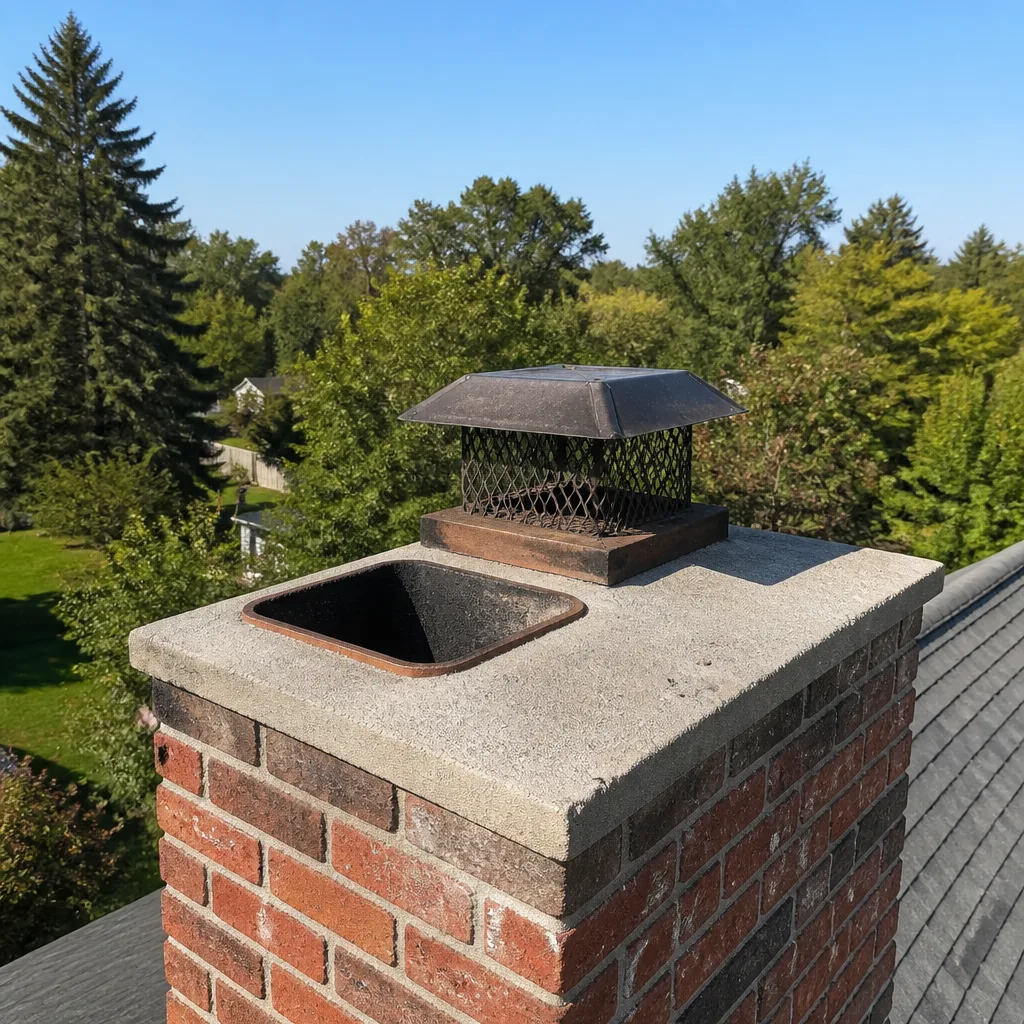
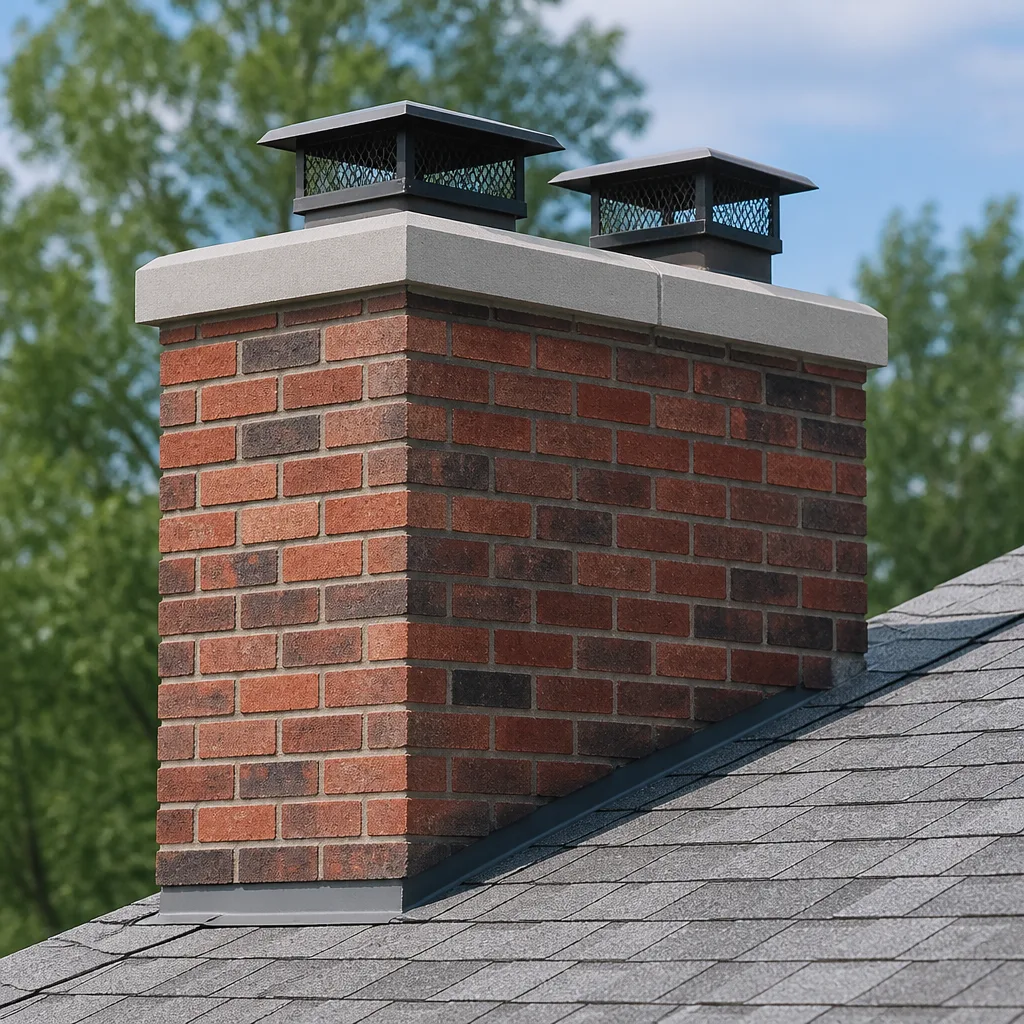
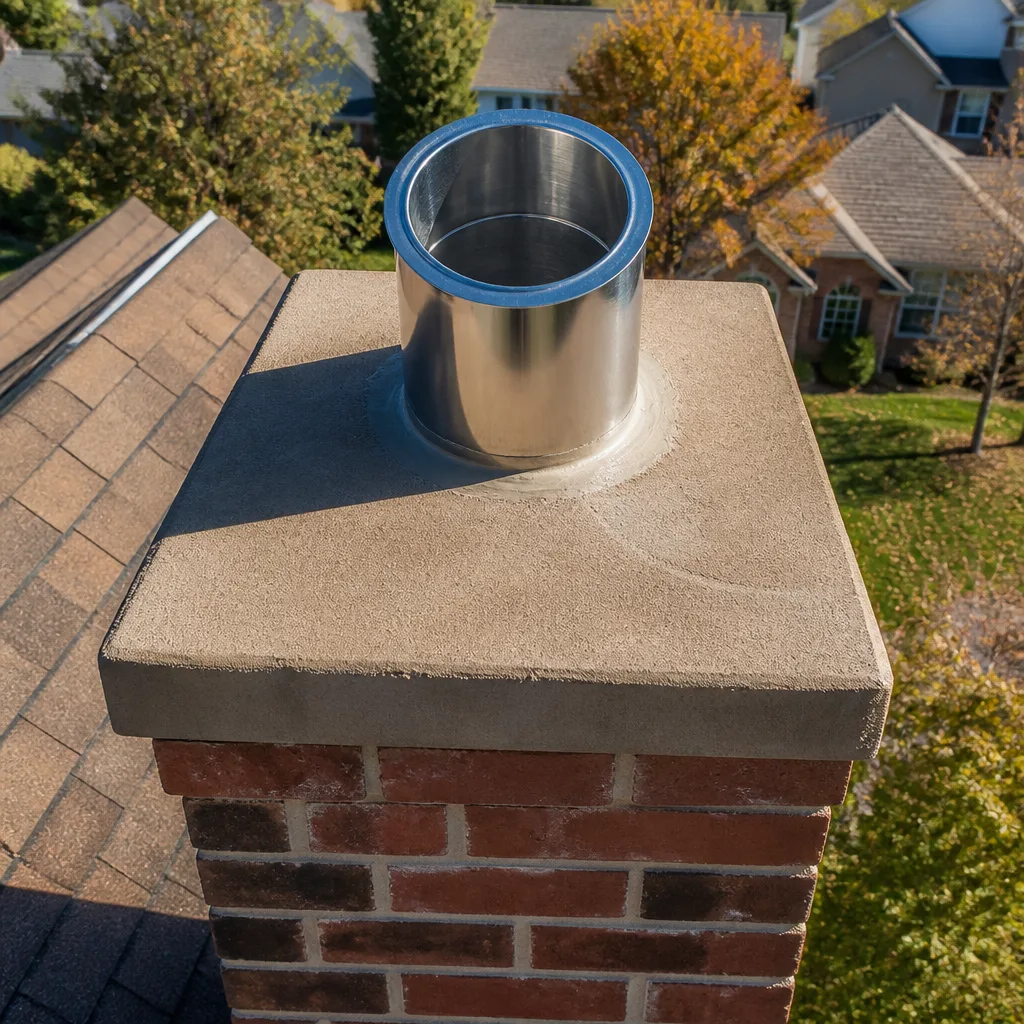
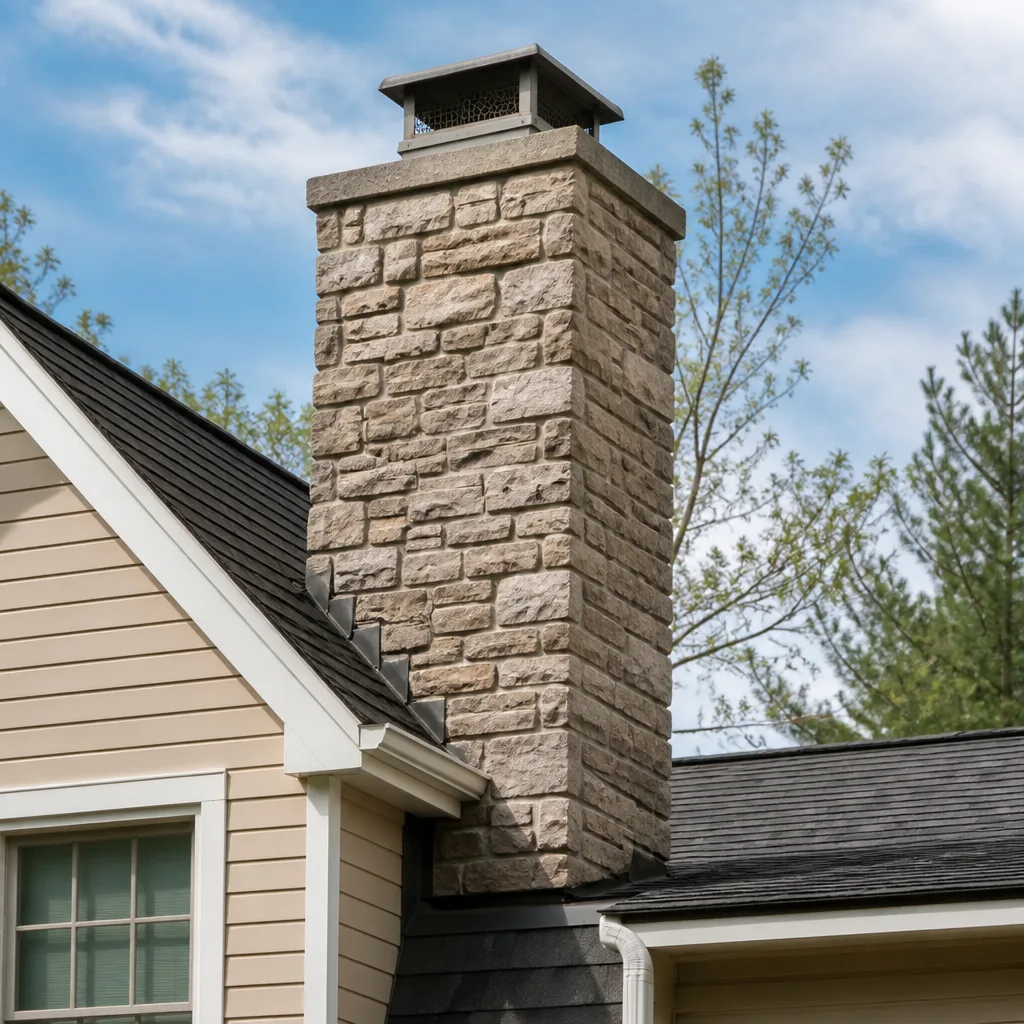
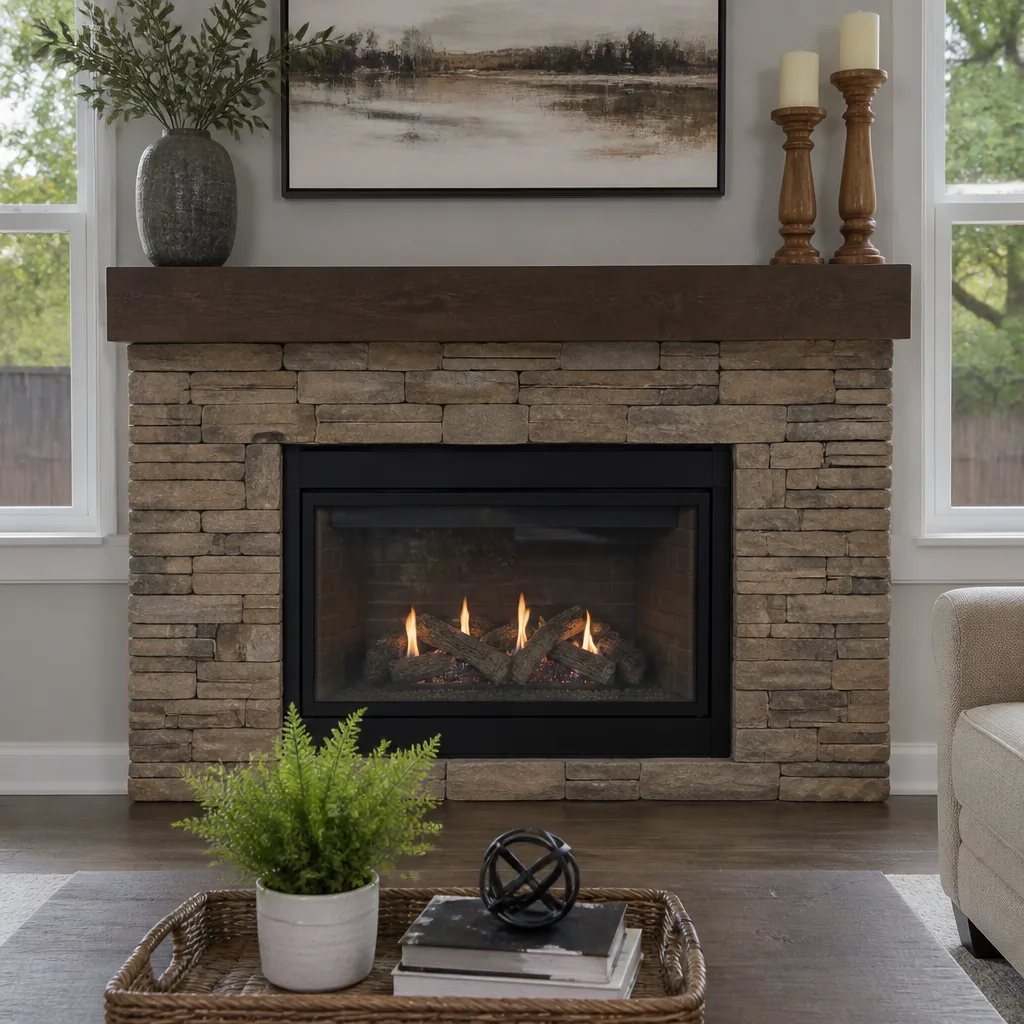
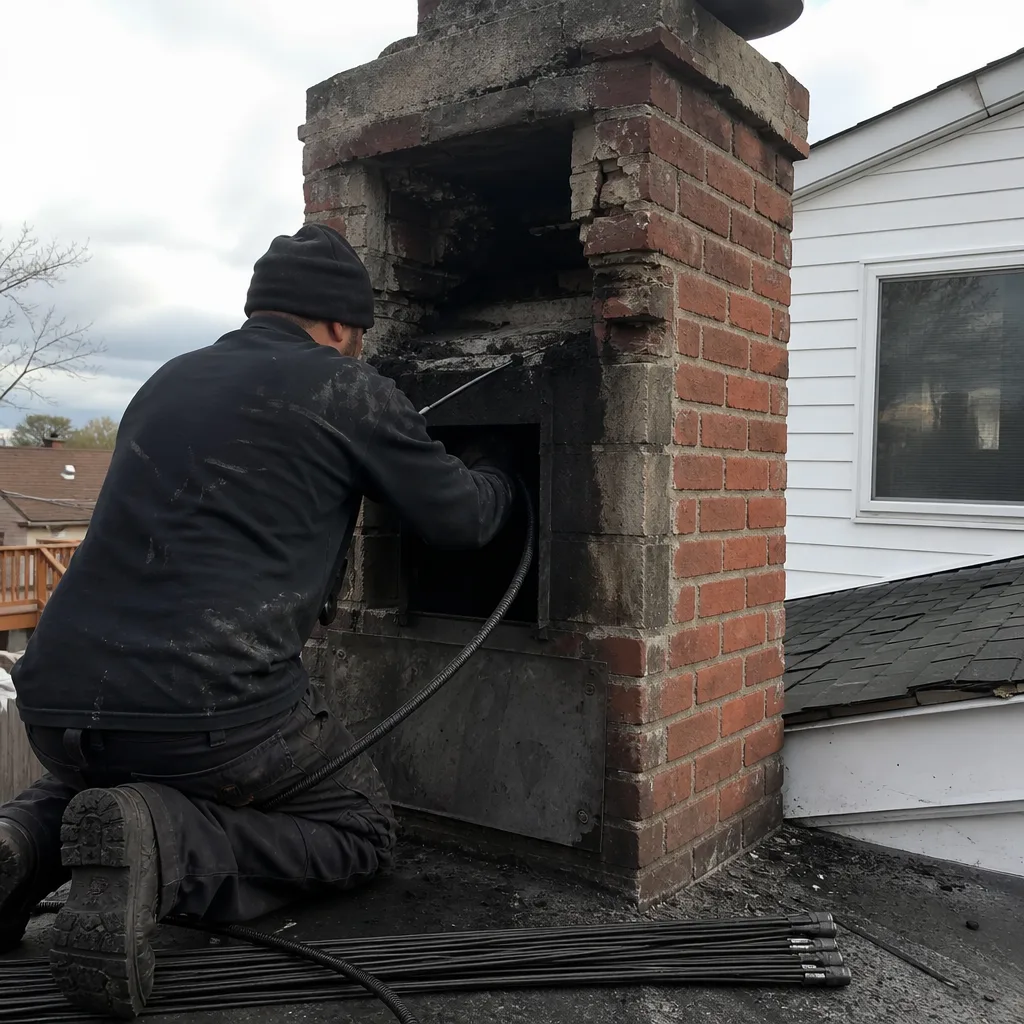 Before
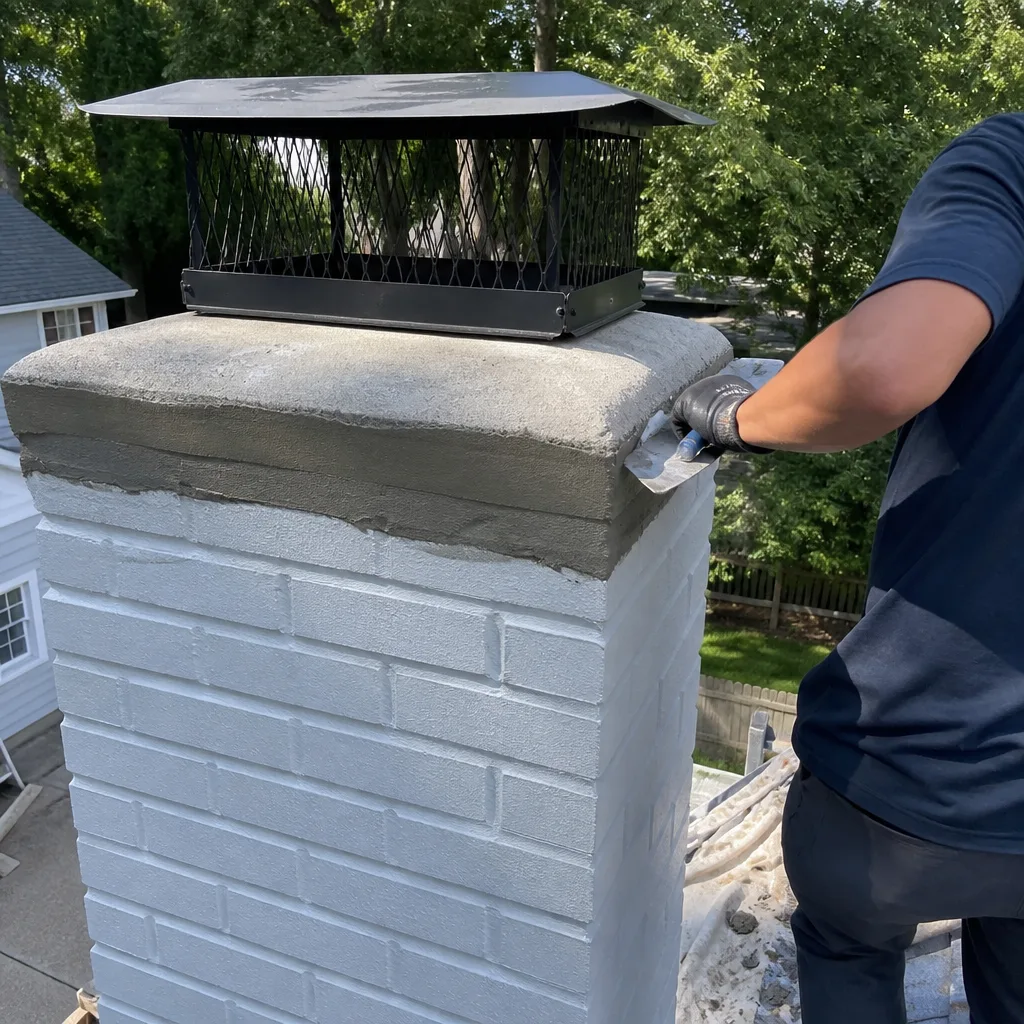 After
After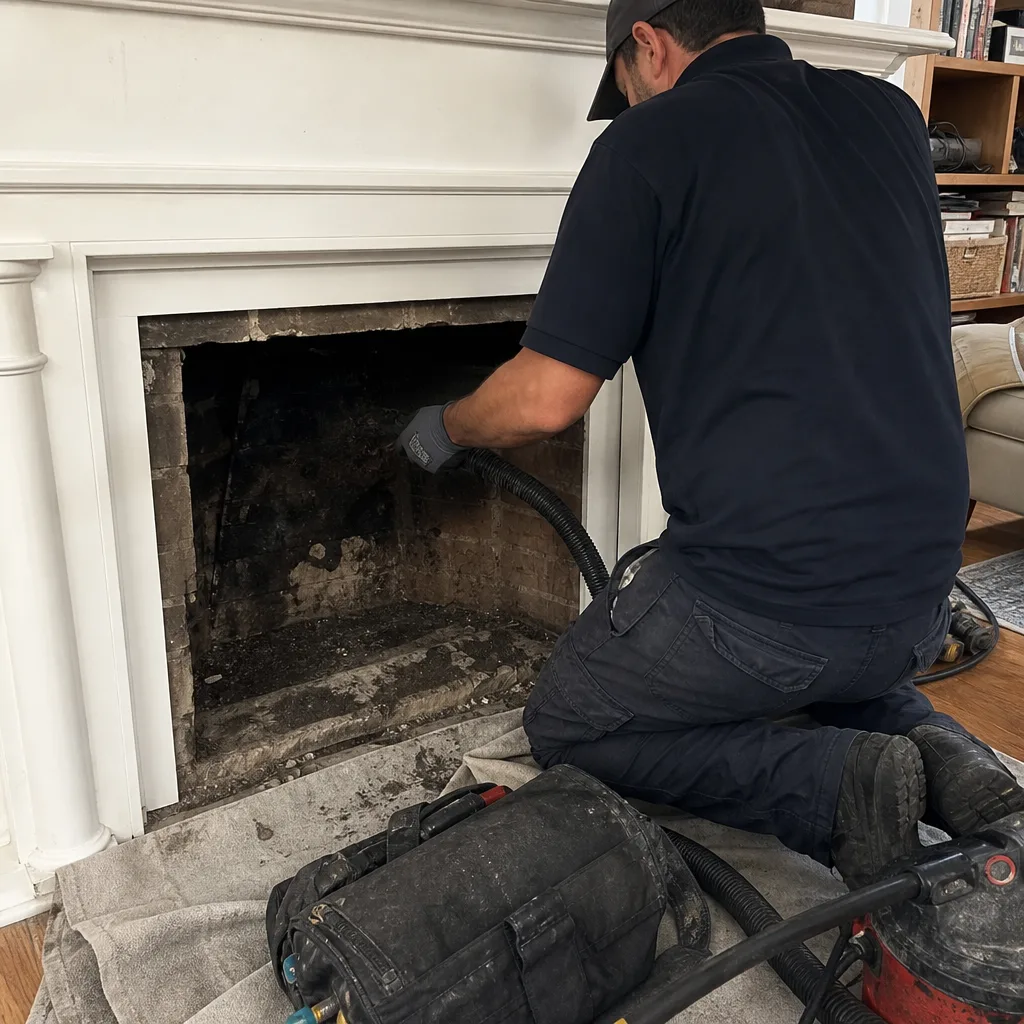 Before
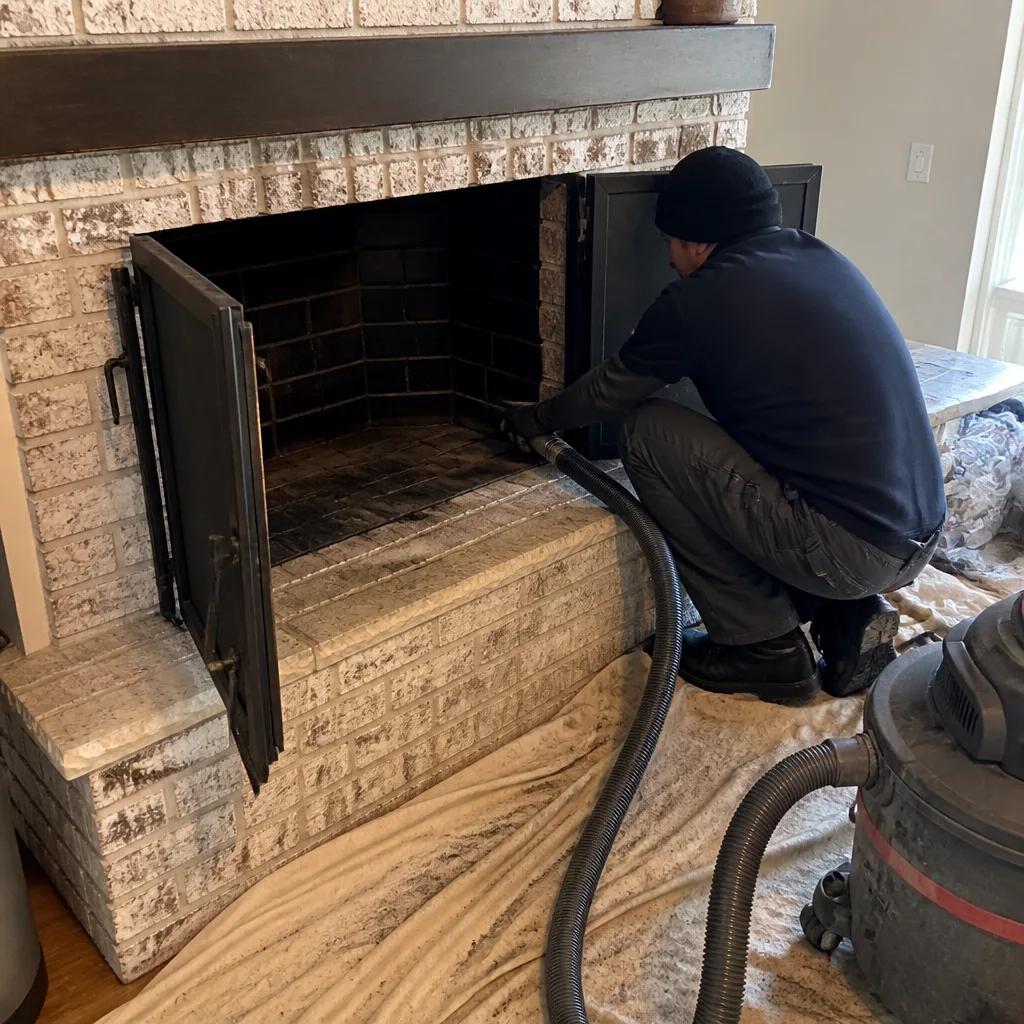 After
After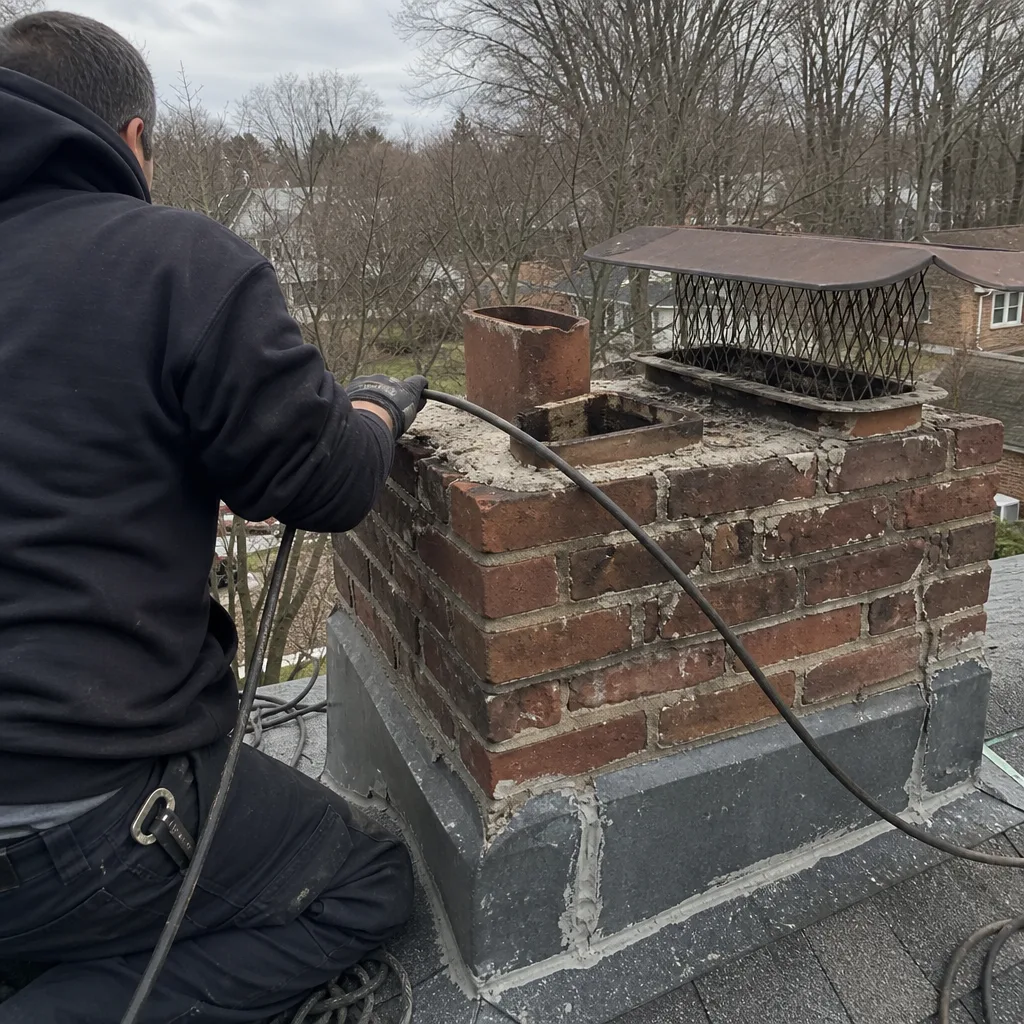 Before
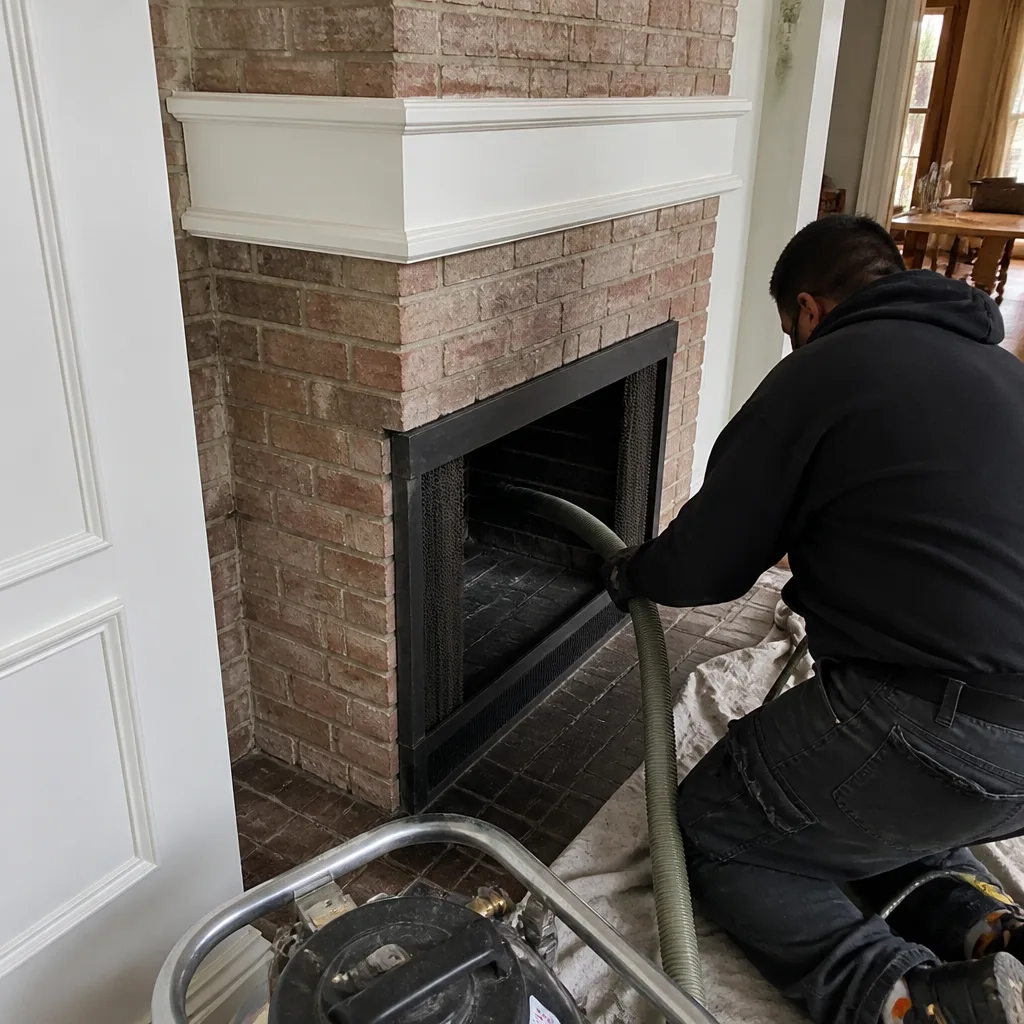 After
AfterDIY vs Professional Chimney Cleaning: The Alexandria Homeowner’s Decision Guide
I’ll tell you straight: if you burned fewer than two cords of softwood last season, have a single-story home with a straight flue, and own a proper rod-and-brush kit, you can probably clean your own chimney. And I’d rather you know that than have you pay me for something you can handle yourself. But here’s what most Alexandria guides won’t tell you: the cleaning part is rarely the problem. The problem is what you can’t see once you’re up there, because a missed stage-2 creosote deposit doesn’t forgive honest effort. This guide gives you the real decision criteria, the actual equipment costs, and what happens in Virginia if your DIY work goes sideways.
Quick Answer
DIY chimney cleaning is reasonable for Alexandria homeowners who burn dry hardwood, have a straight flue they can access safely, and know how to identify creosote staging. If any of those three conditions is uncertain, hire a professional sweep. The cleaning itself runs $150 to $300 in Alexandria; the inspection that comes with it is what actually protects your house.
Table of Contents
- The Real Question: Capability vs. Assessment
- When DIY Cleaning Genuinely Makes Sense in Alexandria
- What a Homeowner Cannot Reliably Self-Assess
- What Proper DIY Equipment Actually Costs
- Virginia Homeowner’s Insurance and DIY Chimney Work
- The Three-Path Decision Tree
- Step-by-Step: How a Proper DIY Cleaning Works
- Common Mistakes to Avoid
- When to Call a Professional
- Frequently Asked Questions
- The Bottom Line
The Real Question: Capability vs. Assessment
Most homeowners in Alexandria who ask me about DIY chimney cleaning are fully capable of running a brush up and down a flue. That is not the issue. The issue is whether you can accurately read what comes down, and whether you can spot what stays up. I have been inside chimneys since 1999, and I can tell you that the homeowner who misses a hairline crack in a clay tile liner is not lazy. They simply do not have the training to recognize what a stage-2 problem looks like before it becomes a stage-3 one.
Creosote forms in three stages. First-degree creosote is a flaky soot that brushes off easily. Second-degree is a tar-like glaze that requires rotary tools and chemical treatment. Third-degree is a hardened, shiny coating that can only be removed with specialized equipment and often signals liner damage underneath. Your flue doesn’t care how the fire looks. It cares how it breathes. A homeowner with a basic brush kit can remove stage-one deposits. They cannot reliably identify when stage-two has begun, and that is where chimney fires start.
In Alexandria’s older housing stock, this matters more than in newer developments. Homes in Del Ray, Old Town, and Rosemont often have chimneys built in the 1940s through 1970s, with clay tile liners that have been absorbing decades of thermal cycling. A cracked tile behind a layer of creosote is invisible to an untrained eye. A certified sweep knows where to look and what the staining patterns mean.
So let me reframe the question for you. It is not “can I clean my own chimney?” It is “can I accurately assess what I am seeing once I am up there?” For some Alexandria homeowners, the answer is genuinely yes. For most, the answer is no, and the honest move is to hire the work out or at minimum get a professional inspection before you decide.
We cover this ground in detail on our Chimney Cleaning & Sweep in Alexandria page if you want to see what a professional cleaning actually includes.
When DIY Cleaning Genuinely Makes Sense in Alexandria
I do not sell fear. If your situation fits the criteria below, clean it yourself and save the money. I would rather you know that than have you pay me for something you can handle. Here are the conditions where DIY chimney cleaning is genuinely reasonable.
You burned dry hardwood, not softwood. Pine, fir, and spruce burn cool and produce heavy creosote. Oak, maple, and hickory that has been seasoned for at least a year burn hot and leave far less residue. If you burned dry hardwood exclusively and fewer than two cords last season, your deposits are likely stage-one and manageable with a brush.
Your flue is straight. A single-story home with a flue that runs directly from the firebox to the cap, with no bends or offsets, is the best candidate for DIY cleaning. Elbows and offsets collect creosote at the turns, and a basic rod-and-brush kit will not get into those pockets effectively.
You can inspect what you are doing. This means you own or are willing to buy a chimney inspection camera, not just a brush. Cleaning without seeing is the equivalent of changing your oil without checking the dipstick. You are doing the motion without the measurement.
You are comfortable on a ladder. Alexandria homes range from single-story ramblers in the West End to three-story townhouses in Old Town. If your roofline requires anything beyond a standard extension ladder on level ground, that alone should push you toward professional help. Falls from roofs are the leading cause of DIY chimney-related emergency room visits in Virginia.
You burned nothing at all last season. Unused chimneys still accumulate debris: bird nests, leaves, squirrel activity. Once a year, burn or no burn. Chimneys break in the off-season too. A homeowner who burns nothing but checks and clears a straight flue annually is doing fine work.
If all five of those apply, go clean your chimney. If three or fewer apply, you are likely to create a mess, miss a problem, or hurt yourself. The threshold is not whether you can do it. It is whether you can do it and know what you are looking at afterward.
What a Homeowner Cannot Reliably Self-Assess
This is the heart of the matter. A brush removes what you can reach. It does not tell you what is wrong with what you cannot. Here is what a homeowner cleaning their own chimney in Alexandria cannot reliably evaluate, no matter how careful they are.
Liner condition. Clay tile liners crack from thermal stress, water intrusion, and freeze-thaw cycles. Alexandria winters bring enough temperature swing that a hairline crack opened in January can widen by March. A cracked liner allows heat and carbon monoxide to reach combustible framing. You cannot see a crack behind a layer of creosote with a flashlight. You need a camera, and you need to know what a healthy liner looks like to recognize an unhealthy one.
Smoke chamber glazing. The smoke chamber sits between the firebox and the flue. In many Alexandria homes built before 1980, the smoke chamber is corbeled brick with deep mortar joints. Creosote glazes those joints and hardens there. A brush run up the flue never touches the smoke chamber. This is a stage-two hot spot in the making, and it is invisible to a homeowner using standard equipment.
Firebox crack staging. Firebrick cracks in stages. A hairline crack is cosmetic. A crack the width of a dime that shifts when you press on it is structural. A crack with dark staining around it indicates heat and creosote are already working into the masonry behind the firebox. Knowing which stage you are looking at is the difference between “monitor it” and “stop burning until this is fixed.” That is not a judgment call a first-time chimney cleaner should make.
Chase cover and cap deterioration. The metal cap and chase cover take the full brunt of Alexandria weather: summer humidity, winter ice, the salinity that drifts up from the Potomac. Rust perforation of a chase cover lets water into the chimney chase, which degrades liner insulation and framing. A homeowner on a ladder can see rust. What they cannot see is the pinhole leak that is already dripping into the chase.
Glazed creosote recognition. Stage-three creosote looks like black glass. It rings when tapped, it does not flake when scraped, and it will not respond to a wire brush. A homeowner who encounters glazed creosote and keeps scrubbing is wasting effort and potentially damaging the liner. First-degree creosote is a brush job. Third-degree is a glaze, catch it early.
This is why a professional cleaning in Alexandria always includes a visual inspection, and why, in my opinion, any cleaning should be accompanied by a camera report. The camera footage and a plain-English verdict, every time, no exceptions. That is the standard I have worked by since 1999, and it is the only honest way to tell a homeowner what is actually happening inside their flue.
What Proper DIY Equipment Actually Costs
I have watched Alexandria homeowners spend $129 on a big-box chimney cleaning kit and emerge from the experience thinking they saved money. They did not. They bought the motion of cleaning without the means to clean effectively, and the deposits they missed are still up there. Here is what a proper DIY setup actually costs in 2025 Alexandria pricing, and why the cheap kits that move debris without removing it are a false economy. For a deeper look at pricing, see our Chimney Cleaning Cost Breakdown: The Alexandria Homeowner’s Reference for 2026.
- Rod and brush kit (steel or poly, sized to your flue): $60 to $120. Poly brushes are for metal liners, steel for clay tile. Using the wrong brush on the wrong liner causes damage.
- Inspection camera with 30-foot cable: $80 to $250. This is not optional for DIY work. If you cannot see the flue, you are not cleaning the flue, you are moving a brush through it.
- Dust containment setup: $40 to $90. A proper chimney cleaning throws soot. Tarps, a shop-vac with a HEPA filter, and a drop cloth for the hearth area. Without this, you will clean your chimney and spend the afternoon cleaning your living room.
- Creosote treatment chemical: $25 to $45 per application. For stage-one deposits, a chemical treatment after brushing helps break down what the brush missed. Not a substitute for brushing, but a useful second step.
- PPE (N95 or better respirator, safety glasses, gloves): $30 to $50. Creosote dust is a respiratory irritant and a skin irritant. You do not want it in your lungs or on your forearms.
- Drop cloths for roof work and ladder stabilization: $20 to $40.
- Roof ladder hooks if your pitch is steep: $35 to $75. Many Alexandria roofs from the 1950s and 1960s have steep pitches. A standard extension ladder leaned against a gutter will not give you safe footing.
So the honest total for a proper DIY setup, first year, is between $290 and $670. A professional chimney cleaning in Alexandria runs $150 to $300, and includes the inspection, the dust control, the camera report, and the trained eye that knows what a stage-two deposit looks like. The first-year DIY cost is typically more than two professional cleanings. The equipment lasts, so the cost evens out over years, but only if you use it correctly, and only if you are in the situation where DIY is genuinely appropriate.
Which takes us back to the question that actually matters. The equipment costs what it costs either way. The question is whether the person holding the equipment knows what they are looking at. That is not about capability. That is about assessment, and assessment is the part you cannot buy at a hardware store.
Virginia Homeowner’s Insurance and DIY Chimney Work
This is the section most DIY chimney guides in Virginia skip, and it is the one that matters most if something goes wrong. Here is the actual landscape for Alexandria homeowners.
Your homeowner’s policy covers sudden and accidental damage. A chimney fire that starts in a flue you cleaned yourself is generally covered, because the cause is considered an accident unless negligence can be established. But here is where it gets uncomfortable: if an insurance adjuster determines that the chimney had not been professionally inspected or cleaned, and that the condition that caused the fire was identifiable by a qualified professional, the claim can be reduced or denied on the grounds of negligent maintenance. Virginia courts have upheld this position in multiple cases.
Proof of professional service is your documentation. When you file a chimney-fire claim, the insurance company will ask for records. If you can produce receipts from a professional cleaning and inspection in Alexandria, you have evidence that the chimney was maintained to a reasonable standard. If you cannot, you are asking the adjuster to take your word that the flue was clean. Adjusters are not in the business of taking your word.
DIY damage is not always covered the same way. If you damage your flue during a DIY cleaning, a cracked tile from aggressive brushing, for example, that is not sudden and accidental. That is self-inflicted damage from maintenance activity, and many Virginia policies treat it differently than a covered peril. Read your policy language. Specifically, look at the exclusion for “faulty workmanship” and “neglect.”
The liability question. If you hire a friend or a handyman to clean your chimney, and they fall off your roof, your homeowner’s liability coverage is the first thing their medical bills hit. Virginia does not require chimney sweeps to carry workers’ compensation, but a professional company carries its own liability insurance. A properly insured professional in Alexandria protects you from that liability. A guy on your roof with an extension ladder does not.
I do not tell you this to scare you into hiring Top Hat Chimney. I tell you because I have sat across the table from Alexandria homeowners dealing with insurance adjusters after a chimney fire, and the ones who had professional records walked away whole. The ones who did not negotiated from a position of weakness. That is not an opinion. That is what happens.
The Three-Path Decision Tree
Here is the framework I give homeowners in Alexandria when they ask me whether to clean it themselves, hire it out, or do something in between. Work through this in order.
- Answer the fuel and volume question. Did you burn dry hardwood, and fewer than two cords? If yes, continue. If you burned softwood, green wood, or construction lumber, your creosote load is higher and you should not attempt removal without a professional assessment. Softwood creosote is heavier, sticker, and more likely to be stage-two.
- Answer the flue configuration question. Is your flue straight, single-story, with no bends? If yes, continue. If your chimney has an offset, an elbow, or a multi-story run, hire a professional. The equipment required to clean a bent flue correctly is not available to homeowners, and the deposits at the bend are exactly where fires start.
- Answer the inspection equipment question. Do you own or are you willing to buy a chimney inspection camera? If yes, continue. If no, hire a professional. Cleaning without a camera is the equivalent of a doctor treating you without examining you. The motion is happening, but the diagnosis is missing.
- Answer the last-cleaning question. When was the chimney last professionally inspected? If it has been more than two years, hire a professional for this cleaning, and get the baseline inspection. After a professional establishes where you stand, you can make an informed decision about DIY going forward.
- Answer the access question. Can you safely reach your chimney with a standard ladder, and is the roof pitch walkable? If yes, and all the previous answers were yes, clean it yourself. If no, hire a professional.
The third path, the one most Alexandria homeowners should take, is this: clean it yourself, but have it professionally inspected every other year. This approach gives you the savings of DIY on the years when deposits are light, and gives you the trained eye on a recurring basis to catch what you cannot see. The inspection runs $100 to $200 in Alexandria, depending on the chimney, and it buys you documentation for your insurance file and an early warning on liner condition. For year-round maintenance tips, see our Seasonal Chimney Cleaning Care for Alexandria: Year-Round Homeowner’s Guide.
That is the honest answer from someone who has been doing this work since 1999. Some people should clean their own chimneys. Most should have a professional do it, not because they cannot run a brush, but because they cannot read what the brush reveals. And the middle path, clean it yourself, inspect it professionally, is underused.
Step-by-Step: How a Proper DIY Cleaning Works
If you have worked through the decision tree and landed on DIY, here is the procedure I recommend for Alexandria homeowners. This is for a straight flue, single-story home, with stage-one deposits. If you encounter anything that looks like glaze, stop and call a professional.
- Check the weather. You want a dry day with low wind. Alexandria’s wet springs and humid summers make early fall the best window for DIY cleaning. A wet roof is a hazard, and wet creosote is harder to assess.
- Set up dust containment inside. Lay a drop cloth across the hearth and at least six feet into the room. Seal the fireplace opening with a plastic sheet and duct tape, leaving enough slack for your brush rod to pass through. Set up your shop-vac with a HEPA filter at the firebox.
- Inspect from the bottom first. Before you climb anything, shine a flashlight up the flue from the firebox. Look at what you can see: flaky black deposits are stage one, a sticky tar-like sheen is stage two, and anything shiny or glass-like is stage three. If you see stage two or three, stop and call a professional. Brushing it will not remove it and may damage the liner.
- Set up your ladder safely. Use a ladder that extends at least three feet above the roofline. On Alexandria homes with steep pitches, use roof ladder hooks. Have a second person foot the ladder. Do not do this alone.
- Remove the cap and inspect from the top. The chimney cap comes off, usually with a few screws or a clamp. Once it is off, look down the flue. This top-down view can reveal deposits the bottom-up glance missed. Run your inspection camera down the full length of the flue and record or screenshot what you see.
- Brush the flue. Start with a brush sized to your flue. Push the rod down while turning it, working in two-foot sections. Do not rush, and do not force the brush if it catches. A catch can mean a liner crack, an offset you didn’t know about, or a mortar joint that has shifted. Forcing the brush can make a small problem a large one.
- Brush the smoke chamber. This is the step most DIY guides skip. Your flue brush does not reach the smoke chamber. Use a smaller chamber brush or a chimney whip, and work the sloped walls of the smoke chamber from below. This is where creosote concentrates in many Alexandria chimneys.
- Clean the firebox. Vacuum out everything that has fallen. Inspect the firebrick while you are in there. Note any cracks, and measure them if you can. A crack the width of a nickel is structural, a hairline is cosmetic.
- Reinstall the cap and verify the draft. Put the cap back on securely. Light a small piece of newspaper in the firebox and check that the smoke draws up the flue effectively. A sluggish draft after cleaning suggests a blockage you missed or an existing draft problem.
- Document everything. Write down the date, what you found, what you did, and save the camera footage. This documentation matters if you ever file an insurance claim.
If you get to step ten and something in the flue still bothers you, or you saw something you did not like in the camera footage, call a professional. An Alexandria chimney repair specialist can evaluate what you found and tell you whether it needs attention now or can wait. Do not talk yourself into ignoring what the camera showed you.
Common Mistakes to Avoid
- Using a square brush on a round flue or vice versa. A brush that does not match the flue shape scrapes unevenly and leaves creosote bands on the sides it misses. Measure your flue before you buy anything. Alexandria chimneys from the 1960s and 1970s are commonly square-tiled, while newer liners are round.
- Cleaning without dust containment and then spending the day cleaning the living room. Chimney soot is fine enough to hang in the air and settle on every surface. Seal the opening properly, or you will regret it when you see your sofa.
- Treating a visual inspection as optional. The brush moves the creosote. The camera tells you whether the job is done and whether anything else is wrong. Skipping the camera step means you cleaned blind, and cleaning blind is what creates the false confidence that gets people in trouble.
- Brushing stage-two creosote harder. More force does not help. Stage-two is a tar that smears under a wire brush. You need chemical treatment and rotary equipment. If your brush is glazing the creosote rather than removing it, that is your signal to stop and call a professional.
- Cleaning a chimney you have never looked at because “it came with the house.” Alexandria has a strong market of older homes, and many change hands with no chimney records. A chimney that has not been inspected in a decade could have a liner failure, a nest blockage, or structural damage. Cleaning a chimney like that is like painting a wall without checking for water damage. The work is fine, but you are hiding a problem.
- Assuming the chimney only needs attention in burning season. Alexandria’s summers bring humidity and heavy rain. Water intrusion damages mortar joints, chase covers, and dampers. Once a year, burn or no burn. The off-season is when your chimney accumulates problems you will not notice until November.
- Cleaning from the roof on a steep pitch without the right equipment. A fall from a two-story Alexandria roof will change your year, or worse. Roof ladder hooks are inexpensive, and a second person footing the ladder is free. Skip neither.
When to Call a Professional
The decision is not about pride, and it is not about saving a buck. It is about whether the person holding the brush knows what they are looking at, and whether the chimney gets safer because of the work. Call a professional in any of these situations: you burned softwood or green wood, you saw shiny or tarry deposits instead of flaky ones, your flue has a bend you did not know about, your chimney is on a steep or two-story roof, you have not had a professional inspection in over two years, or your camera footage showed something you cannot explain. If any of those apply, the cleaning is no longer a DIY job. Top Hat Chimney offers free estimates in Alexandria. Call (571) 521-4837 and Wendell will talk you through what you are seeing, whether you hire us or not. The camera footage and a plain-English verdict, every time, no exceptions.
Frequently Asked Questions
A professional chimney cleaning in Alexandria typically runs $150 to $300 for a standard single-flue fireplace, depending on the chimney height, accessibility, and creosote stage. Stage-two or stage-three creosote removal, which requires rotary equipment and chemical treatment, runs higher. We give you the exact price before any work begins, and the number you hear on the phone is the number on the invoice. Call (571) 521-4837 for an exact quote, estimates are free.
Once a year, whether you burn regularly or not. Alexandria’s humid summers and wet winters contribute to creosote hardening and moisture intrusion even in unused chimneys. A chimney that burns dry hardwood exclusively and is cleaned annually stays in the safest condition; a chimney that burns softwood or is used as the primary heat source may need cleaning twice per season. The inspection attached to the cleaning is where most problems are caught.
This is the question I hear most often from Alexandria homeowners, and it comes from a real place. Some companies do push liner replacements. Here is how to protect yourself: ask for the camera footage. A liner that needs replacement will show visible cracks, spalling clay, or heat transfer staining on the exterior of the chimney structure. If the company cannot show you the damage, get a second opinion. We offer a free second opinion on any written estimate, and we will tell you plainly when the liner can wait. Often, a fireplace service repair is sufficient without a full replacement.
If you burned dry hardwood sparingly, probably nothing dramatic in one year. If you burned softwood, burned often, or the chimney had existing deposits, skipping a year allows creosote to build from stage one to stage two, and in some cases toward stage three. Stage two is where the risk profile changes: it is the threshold where a chimney fire becomes possible. Not cleaning for one year in Alexandria is usually recoverable. Two years is where I start seeing real problems. Call (571) 521-4837 and we will give you an honest assessment of where your chimney stands.
You can, but the results are uneven. Bottom-up cleaning with a synthetic rotary whip attached to a drill can remove some stage-one deposits, but it does not give you a top-down view of the flue, it does not let you inspect the cap or chase cover, and it does not reach the smoke chamber effectively. A bottom-up clean is better than nothing, but it is not a substitute for a full top-down cleaning with an inspection. If roof access is your concern, that is a reason to hire a professional, not a reason to settle for a partial job.
You should expect the price on the phone to be the price on the invoice. That is the standard, and any company that deviates from it, local or national, is not one you should do business with. A legitimate Alexandria chimney company will give you a clear, upfront price before work begins, will show you documentation of any recommended repairs, and will not pressure you into liners or masonry work that the camera does not support. Ask anyone on your street. The local companies that have been around since before the national franchises existed survive on word of mouth and the fact that their name follows them into the grocery store. Call Top Hat Chimney at (571) 521-4837 for a straight answer and a price that does not change.
The Bottom Line
The DIY versus professional question is not about whether you can run a brush up a flue. Most homeowners can. It is about whether you can accurately read what you find when you are up there, and whether you have the equipment to see what the brush does not touch. For Alexandria homeowners who burn dry hardwood, have a straight flue, and own an inspection camera, DIY is reasonable, especially when paired with a professional inspection every other year. For everyone else, the professional cleaning is not an upsell, it is the service that comes with trained eyes. A chimney cleaning runs $150 to $300 in Alexandria and includes the inspection, the documentation, and the peace of knowing what is actually happening up there. If you are not sure which path you are on, call (571) 521-4837 and ask. Wendell will tell you straight, whether you hire us or not.
Written by Wendell Pike, Owner at Top Hat Chimney, serving Alexandria since 1999.