
Last updated September 10, 2026
Level 1 sweep and inspection to the NFPA 211 annual standard - flue, crown, cap, and flashing checked and photographed
Chimney sweep logs do not sweep chimneys. They loosen some creosote - which then falls where a brush and vacuum still have to collect it.
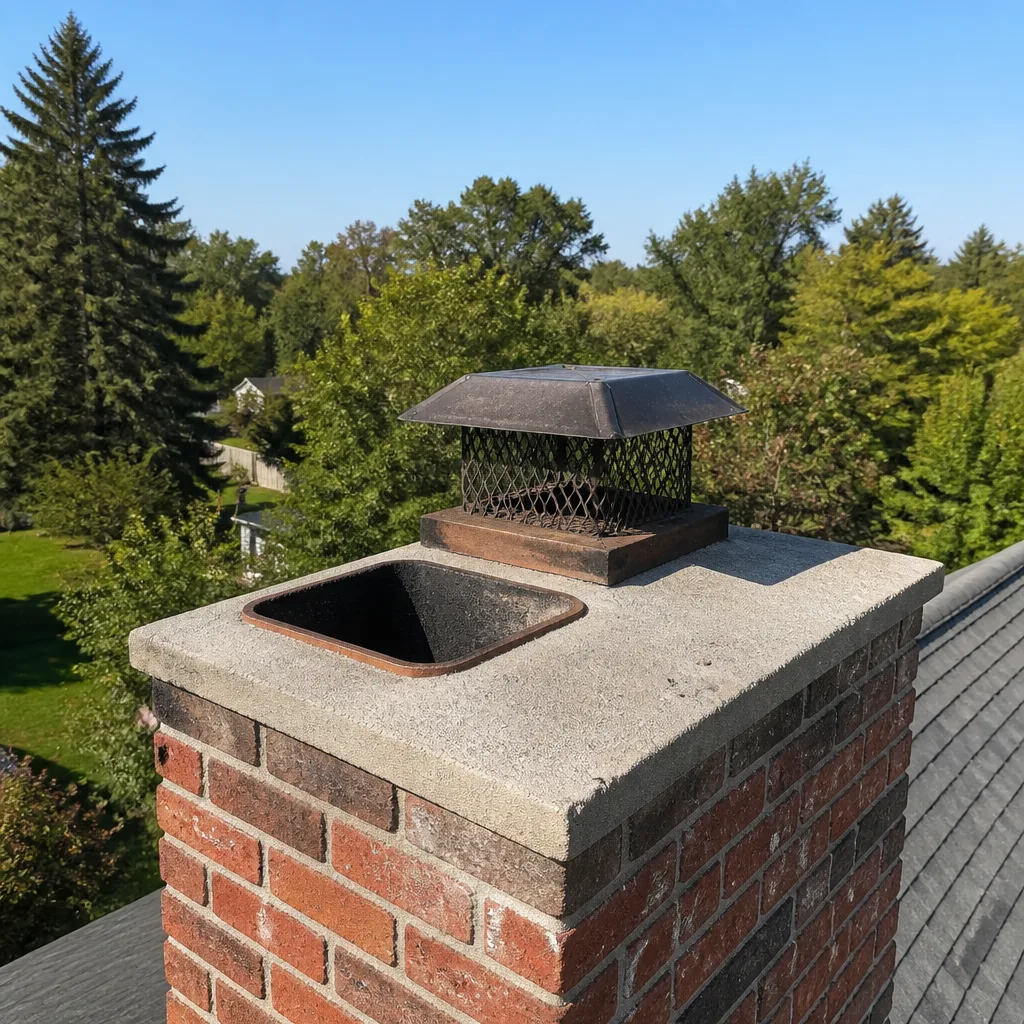
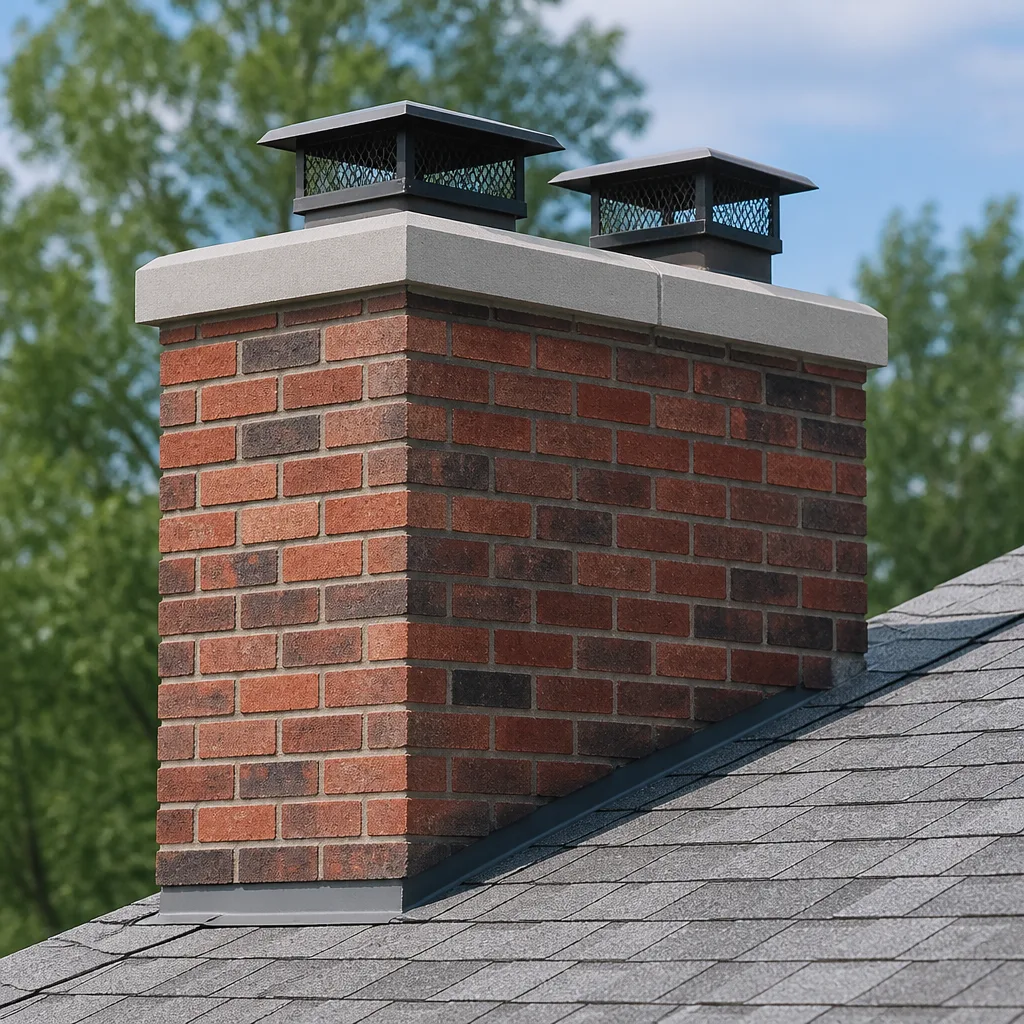
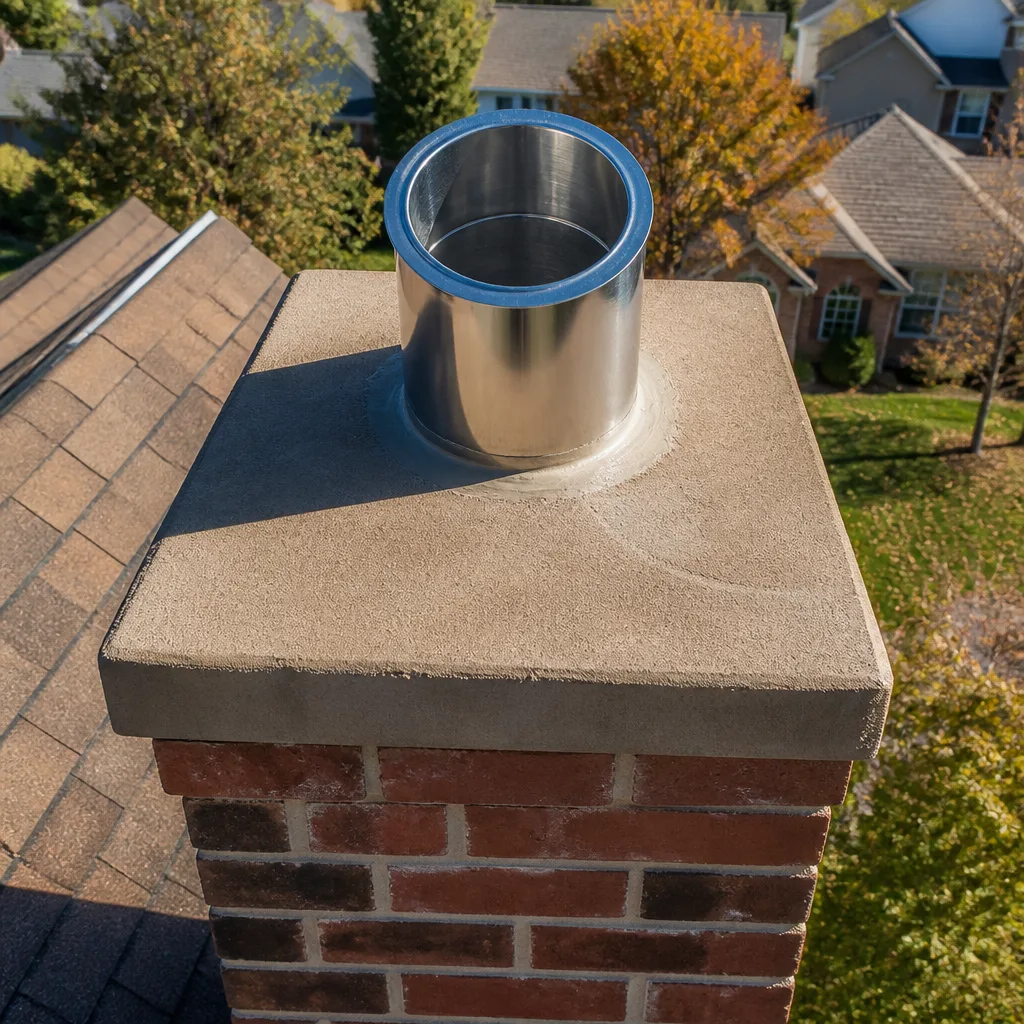
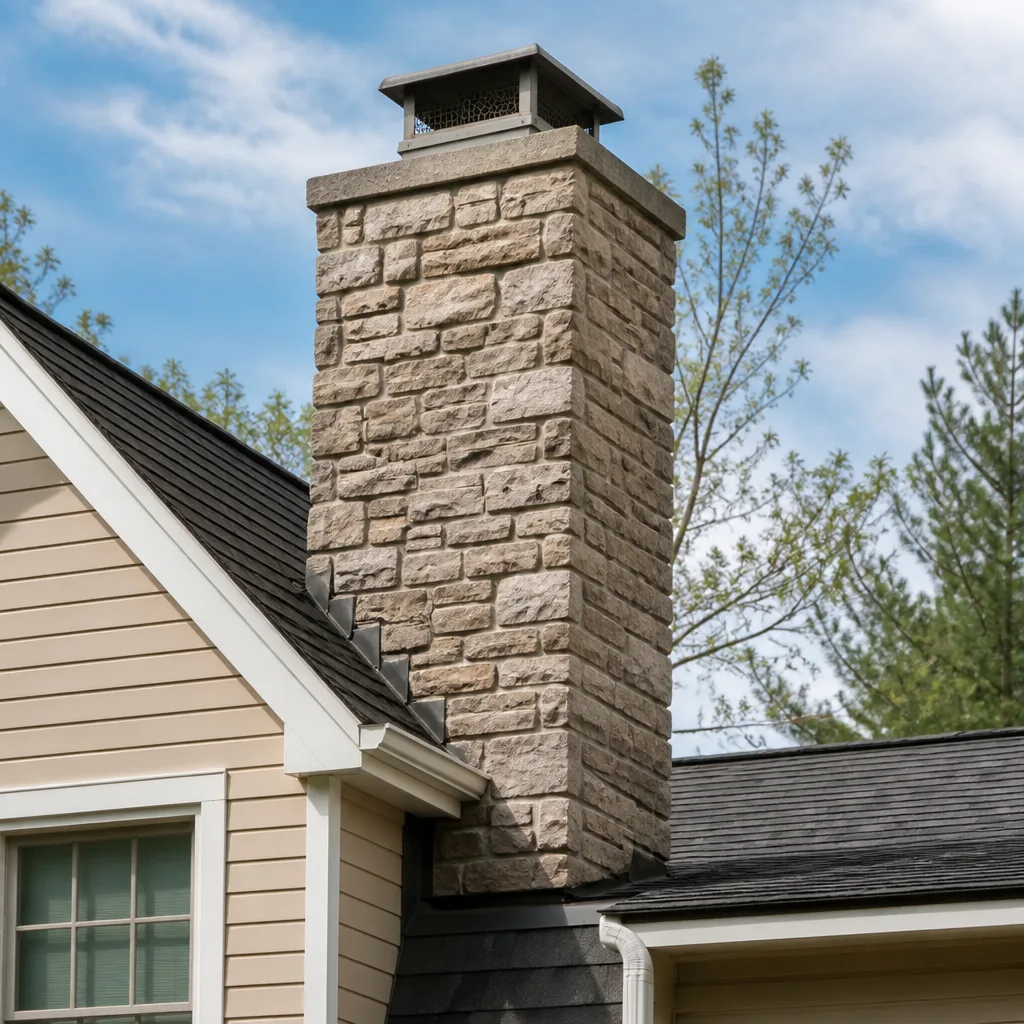
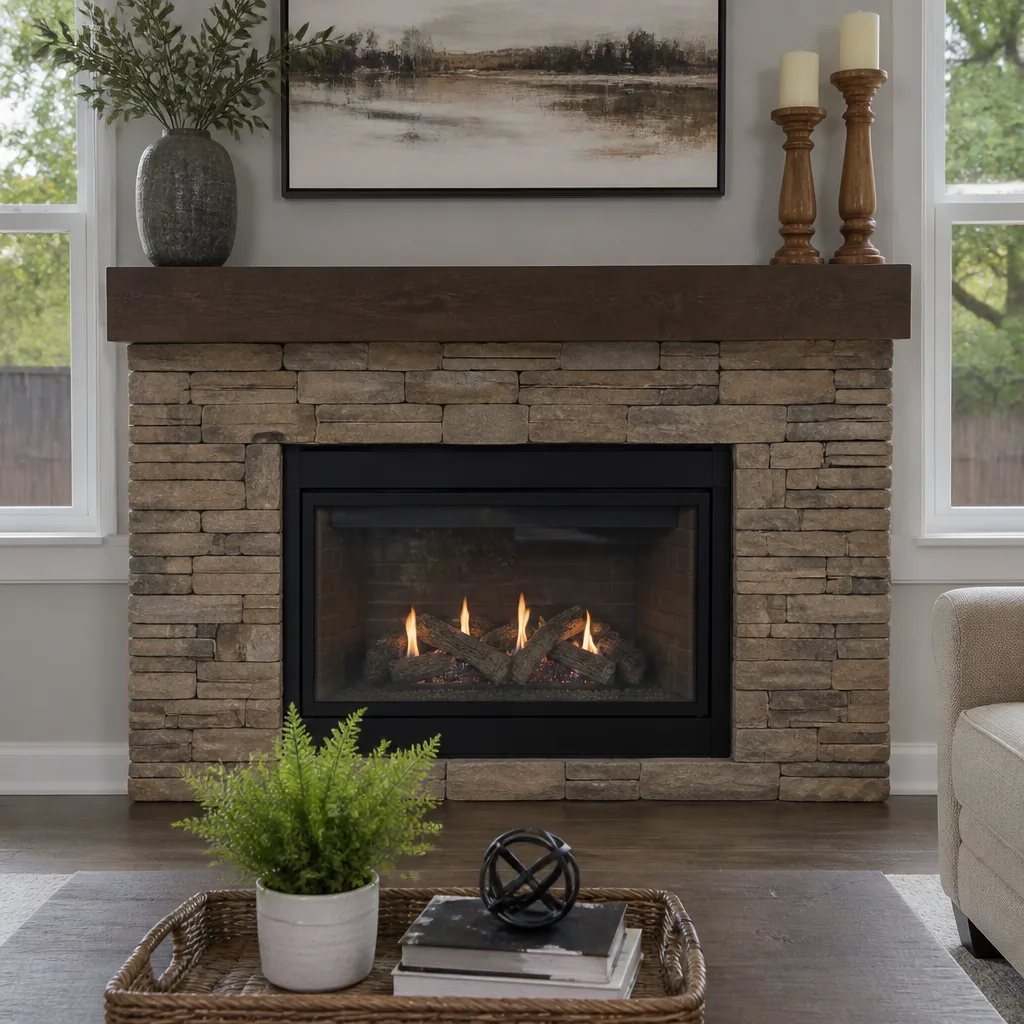
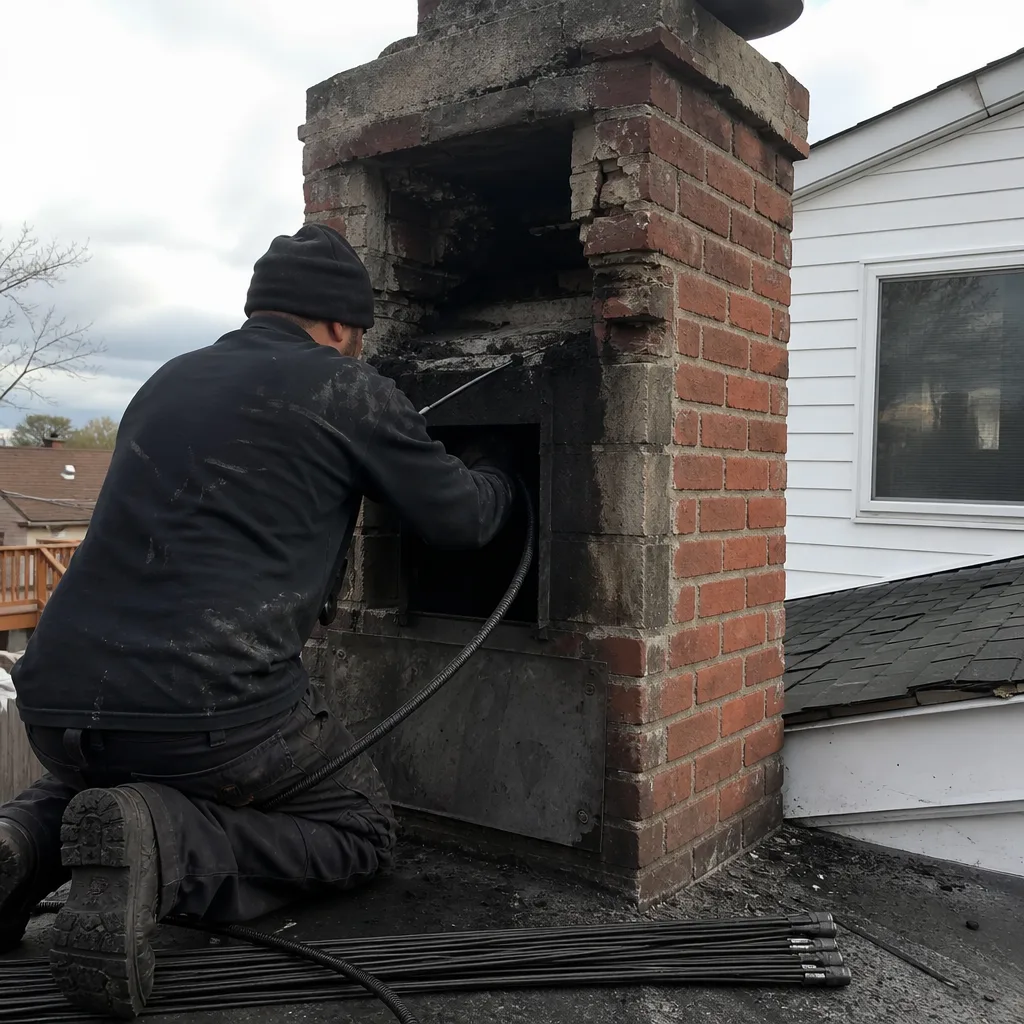 Before
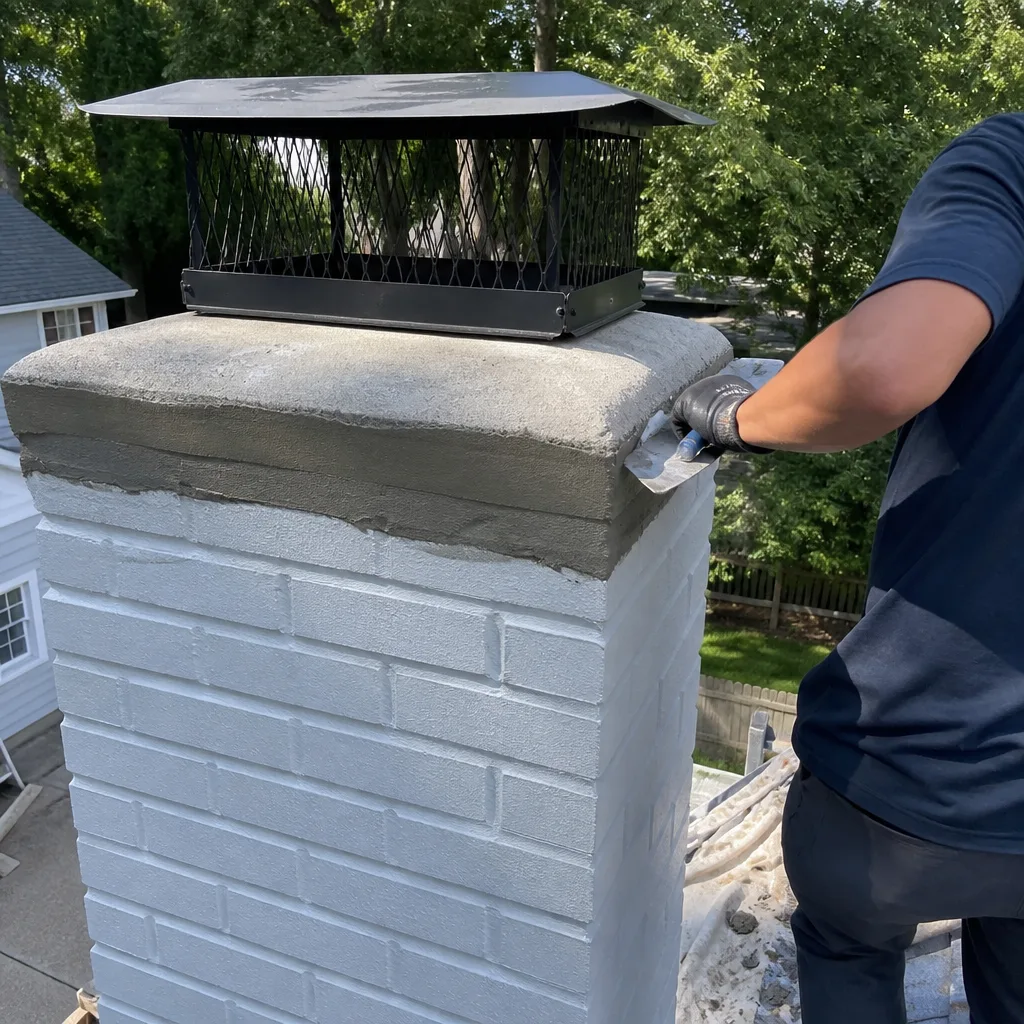 After
After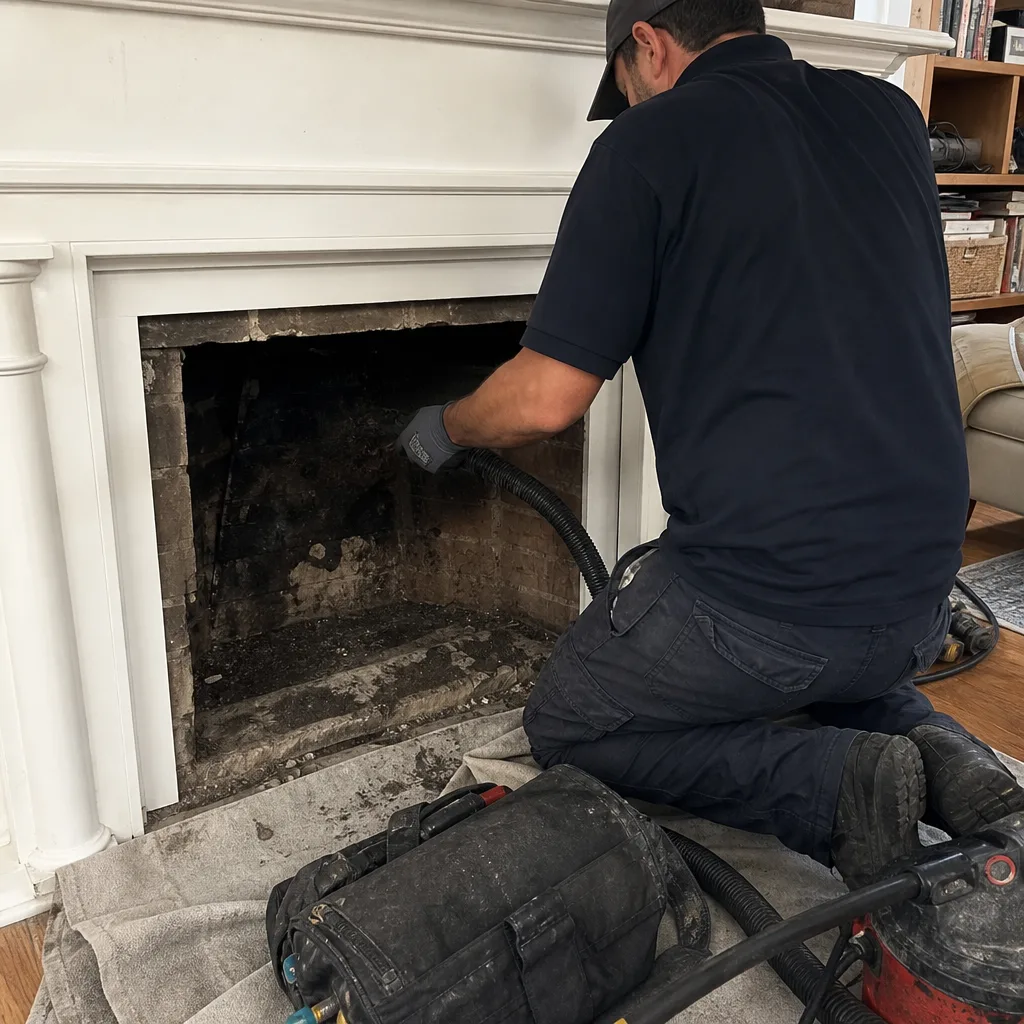 Before
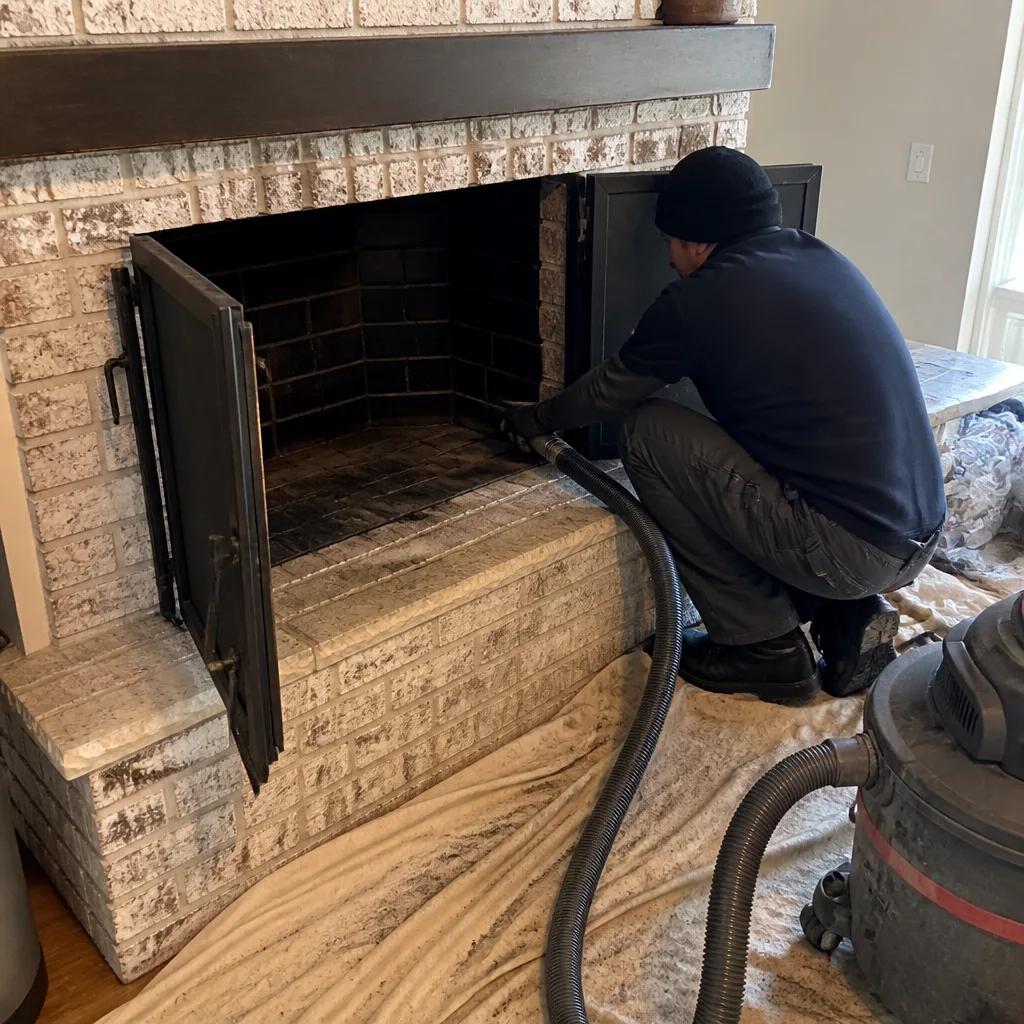 After
After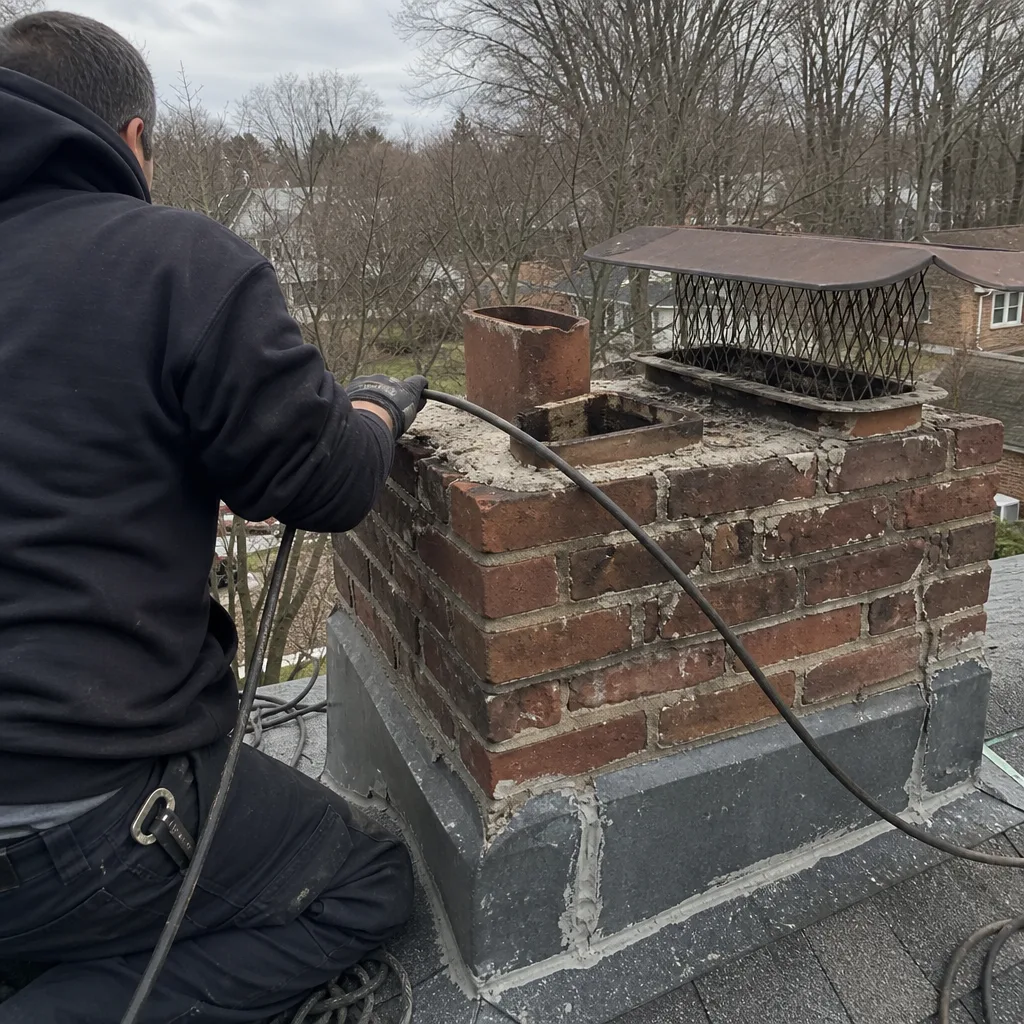 Before
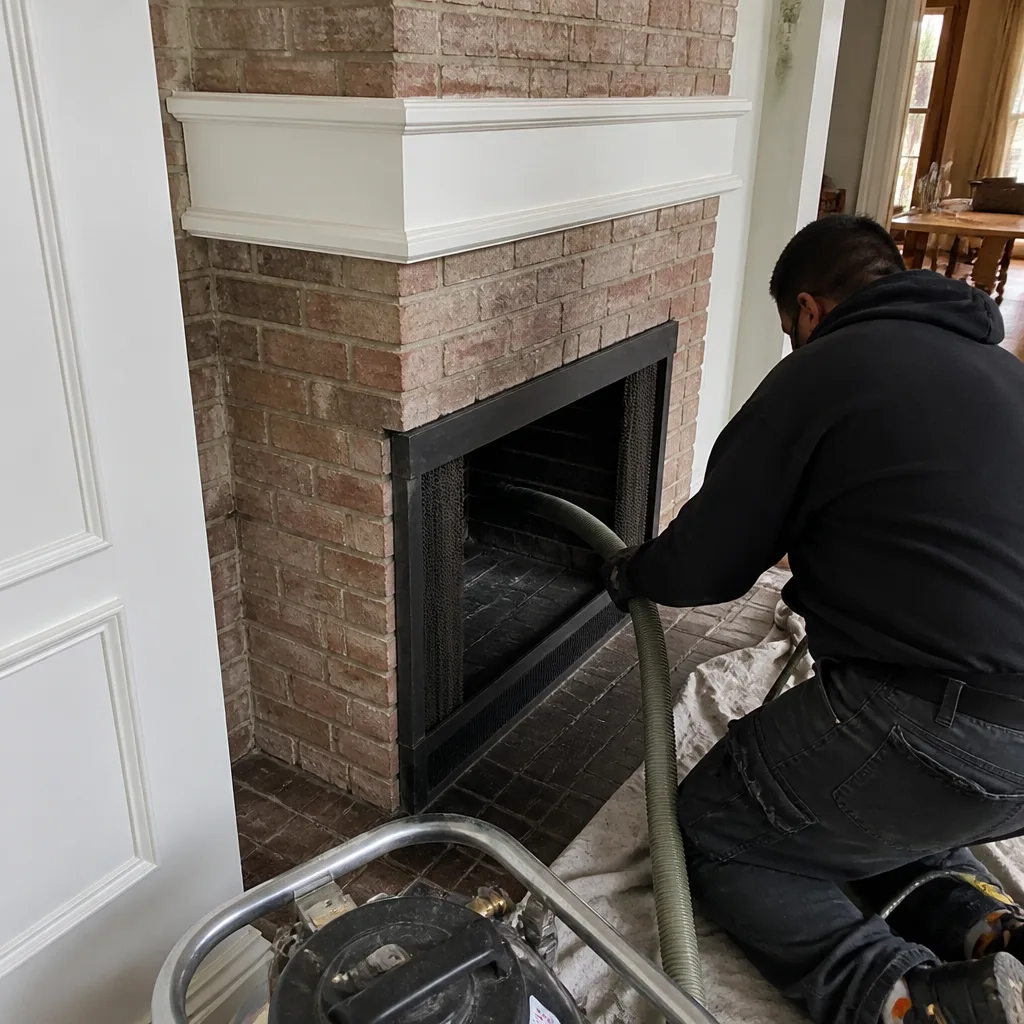 After
AfterChimney Cleaning Permits, Codes & Inspections in VA: What You Need to Know
Here’s a truth most Virginia homeowners learn the hard way: the chimney sweep itself is almost never the problem. The cleaning is routine, the codes are straightforward, and the permit office in Alexandria will barely blink at a brush job. But the moment a sweep finds a cracked liner or a firebox that’s seen better days, you’ve crossed from maintenance into construction, and Virginia’s building code starts paying attention. What happens next, whether permits get pulled and inspections get scheduled, can follow your house for years. A liner replacement without a permit isn’t just a code issue. In Virginia, it’s the kind of thing that surfaces during a home sale inspection and kills a closing, sometimes years after the work was done. This guide walks through exactly what requires a permit, what doesn’t, and how to protect yourself in Alexandria and across the Commonwealth. For a deeper dive into keeping your system in top shape, see our Complete Guide to Chimney Cleaning in Alexandria.
Quick Answer
Routine chimney sweeping and inspection in Virginia do not require a permit. But structural repairs, liner replacements, firebox rebuilds, and any work that alters the flue’s construction or function typically do require a permit and inspection under the Virginia Uniform Statewide Building Code. In Alexandria, chimney liner replacement and firebox repair permits go through the city’s Code Administration, and unpermitted work can complicate insurance claims and home sales.
Table of Contents
- The Permit vs. Maintenance Line: What Actually Triggers a Permit
- How the Virginia Uniform Statewide Building Code Applies to Chimneys
- Alexandria City Requirements for Liners, Fireboxes, and Crowns
- How to Ask Your Contractor About Permits (And What the Answer Means)
- Insurance and Home Warranty Implications of Unpermitted Work
- What a Virginia Chimney Inspection Actually Covers
- The Home Sale Problem: Unpermitted Work and Your Closing
- Permit Costs and Timelines in Alexandria: What to Expect
The Permit vs. Maintenance Line: What Actually Triggers a Permit
The state of Virginia draws a clear line between maintenance and construction, and that line matters more than most chimney companies will admit. Cleaning, sweeping, level-one inspections, and minor repairs like replacing a damper plate or a rain cap fall squarely on the maintenance side. No permit, no inspection, no paperwork. You could have your chimney swept every month in Alexandria and the city would never need to know.
The line gets crossed when the work changes the chimney’s physical structure or function. This is where Virginia’s building code stops being a formality and starts being a legal requirement. Here’s the breakdown in plain terms:
No permit needed (maintenance):
- Chimney sweeping and creosote removal
- Level one and level two inspections (camera or otherwise)
- Chimney cap installation (if no structural modification is required)
- Damper replacement with a same-size unit
- Minor crown sealing or patching (less than 25% of the crown surface)
- Fireplace grate replacement
Permit required (construction or alteration):
- Chimney liner replacement (stainless steel, aluminum, or HeatShield resurfacing)
- Firebox rebuilding or significant masonry repair
- Chimney crown replacement (full tear-off and recast)
- Flue relining that changes the flue’s diameter or material
- Adding a fireplace where none existed
- Partial or full chimney rebuild above the roofline
- Converting a wood-burning fireplace to gas
Wendell Pike has seen the confusion up close for over 29 years. “Half the homes I visit in Alexandria have old work that should have been permitted and wasn’t,” he says. “The homeowner usually had no idea. They hired someone who said it was no big deal, and now it’s their problem.” The distinction isn’t about whether the work is safe in the moment. It’s about whether the work changes the building’s code compliance, and whether a future inspector can verify it.
How the Virginia Uniform Statewide Building Code Applies to Chimneys
Virginia operates under the Virginia Uniform Statewide Building Code (VUSBC), which adopts the International Residential Code (IRC) as its base for one- and two-family homes. The VUSBC isn’t a separate set of chimney rules. It’s the state’s enforcement mechanism for the IRC, with Virginia-specific amendments layered on top. For chimney work, the relevant sections deal with masonry construction, fireplace and flue standards, and mechanical venting.
What this means in practice: your local code official in Alexandria isn’t making up chimney rules on the fly. They’re enforcing a statewide standard that says, among other things, that a fireplace flue must be lined with a code-approved material, that the liner must be sized correctly for the appliance it serves, and that any change to the flue’s configuration requires a permit before work begins. The VUSBC applies uniformly across Virginia, from Fairfax County down to Roanoke, though local enforcement varies. Alexandria’s Code Administration is one of the more thorough offices in the region, which is good news if you want the work verified and bad news if you’re hoping to slide something past.
One correction worth making: a lot of chimney companies tell homeowners that “code only applies to new construction.” That’s not true in Virginia. The VUSBC explicitly governs alterations, repairs, and additions to existing buildings. Section 101.2 of the code says that any alteration to an existing building must comply with the code’s requirements for new construction, unless the code provides a specific exception. Replacing a chimney liner is an alteration. The exceptions exist for ordinary repairs, which the code defines narrowly, and unpermitted work that falls outside that definition is a violation, full stop.
In our experience, the most common code trigger during a routine sweep in Alexandria is a cracked clay tile liner. The sweep finds the crack, the homeowner wants it fixed, and the fix almost always involves a liner replacement of some kind. Whether it’s a stainless steel reline with a product like DuraFlex or a resurfacing job with HeatShield, that work is an alteration. It requires a permit.
Alexandria City Requirements for Liners, Fireboxes, and Crowns
Alexandria’s Code Administration processes chimney permits through the same system as any other residential alteration. The city doesn’t have a separate “chimney permit” category. You’re pulling a residential building permit, and the scope of work lists the chimney work being done. For liner replacement, the city typically requires a permit application describing the work, the liner material and size, and the method of installation.
Here’s what Alexandria specifically wants to see on the permit application:
- The address and parcel number of the property where the work will happen
- A scope of work that clearly states “chimney liner replacement” or “firebox repair” (vague descriptions delay approval)
- The contractor’s Virginia license number and local business license, if a contractor is doing the work
- The materials being used (stainless steel liner, refractory cement, etc.)
- The flue’s diameter and the appliance it serves
Firebox repairs trigger the same permit requirement, and Alexandria inspectors pay particular attention to firebox work because it directly affects the fireplace’s ability to contain fire safely. A firebox rebuild with new firebrick and refractory mortar is a structural repair. It’s not the kind of thing you can quietly patch and call maintenance, and the city’s inspectors know the difference. Chimney crown replacement, the concrete cap that seals the top of the chimney, also requires a permit when the entire crown is being removed and recast.
Alexandria’s older housing stock makes this especially relevant. The city has thousands of rowhouses and single-family homes built in the 1920s through the 1950s, and many of them still have their original clay tile liners. Those liners are now 70 to 100 years old, and they fail. When they do, the fix is a permitted alteration, not a maintenance call.
How to Ask Your Contractor About Permits (And What the Answer Means)
The single most revealing question you can ask any chimney contractor in Virginia is this: “Will you be pulling a permit for this work, and can I see the permit number before you start?” The answer tells you more about the contractor than any review ever will.
A legitimate contractor, one who stands behind the work and answers to the code office, will say yes without hesitation. They’ll explain the permit process, tell you what the inspection will cover, and factor the permit fee into the quote. They won’t treat the question as an inconvenience. Wendell and his crew have pulled permits in Alexandria for years, and the process doesn’t slow the work down when you know how to navigate it.
A contractor who hesitates, waves the question off, or says “we don’t really need one for this” is telling you something. What they’re telling you is one of three things, and none of them are good:
- They don’t have the license required to pull the permit in the first place
- They’re trying to keep the price low by skipping the permit fee and inspection
- They know their work wouldn’t pass inspection
If the job clearly requires a permit, liner replacement being the obvious example, and the contractor says it doesn’t, end the conversation. The permit requirement isn’t a gray area on liner work. It hasn’t been for years. Any contractor doing liner replacement in Virginia who tells you no permit is needed is either untrained or untruthful, and you don’t want either one inside your chimney. Top Hat Chimney provides a written estimate for every repair in Alexandria, and the permit fee is itemized so you can see exactly what you’re paying for.
Insurance and Home Warranty Implications of Unpermitted Work
Here’s where unpermitted chimney work turns from a code violation into a financial liability. Your homeowner’s insurance policy almost certainly contains language requiring that all work on the home comply with local building codes. When a chimney fire traces back to an unpermitted liner replacement installed three years ago, the insurance adjuster has a reason to deny the claim. Not a maybe. A documented reason.
The scenario plays out like this: a homeowner in Alexandria has a stainless steel liner installed in 2019. The contractor never pulled a permit. In 2025, a chimney fire damages the masonry and part of the attic. The insurance company investigates, discovers the unpermitted liner, and denies the claim on the grounds that the work was not performed in accordance with Virginia code, which requires a permit and inspection for liner alterations. The homeowner is left with the repair bill and no recourse against the contractor, who may be out of business or unreachable.
Home warranties are equally unforgiving. Most home warranty companies will not cover repairs related to unpermitted work, and they’ll use the missing permit as grounds to deny unrelated claims if they can establish that the unpermitted work contributed to the failure. The warranty language on this is explicit. Unpermitted alterations void coverage for the affected system.
This isn’t fear-mongering. It’s the documented reality of how insurance and warranty claims work in Virginia. The permit isn’t just a piece of paper. It’s the proof that the work was done to code, inspected by someone who doesn’t work for the contractor, and documented in a way that survives a dispute. Without it, you’re asking an insurance company to take your word for it, and insurance companies don’t work that way.
What a Virginia Chimney Inspection Actually Covers
A permit inspection for chimney work in Virginia is not the same thing as a chimney sweep’s inspection. The code official is there to verify that the work complies with the VUSBC, not to assess the chimney’s overall health or clean it. Understanding the difference helps you know what to expect.
Level 3 inspections, the most comprehensive, are what you get when a structural problem is suspected or when a chimney fire has occurred. These often serve as the basis for the repair scope that later gets permitted. The permit inspection itself focuses on the work described in the permit application. If the permit covers a liner replacement, the inspector checks that the liner is installed correctly, sized properly, and connected to the appliance. If it covers a firebox rebuild, the inspector verifies the firebrick work and the clearances to combustible materials.
The cleaning and inspection process that precedes all of this is a level one or level two inspection, depending on what the camera shows. In Alexandria, our level two inspections include a camera run through the flue, and the footage gets shared with the homeowner before any repair recommendation is made. Your flue doesn’t care how the fire looks. It cares how it breathes, and the camera sees what your eyes can’t.
One thing the permit inspection does not cover: the chimney’s overall condition beyond the permitted scope. A liner replacement inspection won’t flag a deteriorating crown or a shifting chimney cap. Those are separate issues, found during the sweep’s inspection or a separate permit. The systems work together, but the inspection is scoped to the permit.
The Home Sale Problem: Unpermitted Work and Your Closing
Ask any real estate agent in Alexandria about unpermitted chimney work, and you’ll get a story. The scenario never changes much: a buyer makes an offer, the home inspection notes a stainless steel liner of recent vintage, and someone checks the city permit records. When no permit exists, one of two things happens. Either the closing stalls while the seller scrambles to get the work retroactively permitted, which requires an inspection of work that may have been done years ago and may or may not pass, or the deal dies entirely.
Virginia is a buyer-beware state in real estate, but sellers still have a duty to disclose unpermitted work when they know about it. And after a home inspection, the buyer knows too. The question moves from “can we hide this?” to “what will it cost to fix?” and the answer is rarely pleasant. A liner replacement that would have cost a few hundred dollars in permit fees at the time of installation can cost thousands to bring into compliance years later, if the city requires the work to be exposed and inspected.
The sellers most at risk are the ones who used a contractor that said the permit wasn’t necessary. They paid for a repair in good faith, got a receipt, and moved on. Years later, the receipt is worthless because it doesn’t correspond to any permit on file. The work may be perfectly sound. It may have been installed correctly. But without the permit and inspection, it can’t be verified, and in a real estate transaction, unverifiable work is treated the same as defective work.
This is the reason Wendell tells Alexandria homeowners to ask the permit question up front. Fireplace services that skip the permit are putting the liability on the homeowner, not the contractor. The contractor cashes the check and disappears. The homeowner is the one who sits across from a buyer’s agent at closing and tries to explain why the permit drawer is empty.
Permit Costs and Timelines in Alexandria: What to Expect
Alexandria’s permit fees for chimney work are calculated as a percentage of the total job value, which means you won’t find a flat “chimney permit fee” on the city’s website. The fee schedule uses the project’s valuation, and most chimney liner replacements fall into the lower tiers. For a typical liner replacement in Alexandria, the permit fee usually lands somewhere in the low three figures, and the application can often be processed within a few business days for straightforward residential work.
Here’s a realistic breakdown of what to expect:
- Permit application review: 1-3 business days for standard residential chimney work
- Permit fee: typically $50-$200 for liner replacement or firebox repair, based on project valuation
- Inspection scheduling: the inspection happens after the work is complete, usually within a few days of the contractor calling it in
- Total delay to project: minimal when the contractor plans for it; the permit doesn’t have to slow the work down
Contractors who work in Alexandria regularly, including Wendell and his crew, pull permits as a matter of routine. The application gets filed before the work starts, the fee gets built into the quote, and the inspection gets scheduled when the work is done. It’s not complicated. It’s just paperwork, and the alternative, paying cash for unpermitted work and hoping it never surfaces, is a worse gamble than any permit fee.
Common Mistakes to Avoid
- Believing “it’s just a liner, no permit needed.” Liner replacement is construction, not maintenance. In Alexandria, it requires a permit, and there’s no honest contractor who doesn’t know that.
- Paying cash for a discount that skips the permit. The discount disappears the moment a future inspection or insurance claim finds the unpermitted work. You paid less now to owe more later.
- Not asking to see the permit before work starts. If the contractor can’t show you a permit number for liners or firebox work, the work shouldn’t start. It really is that simple.
- Assuming the home inspector will catch permit problems. Home inspectors catch visible conditions. They don’t usually pull city permit records. The verification burden is on you.
- Waiting until listing day to check your permit history. By the time the house is listed, retroactive permitting is a scramble. Check your chimney’s paperwork before you list, not after.
- Thinking a receipt is the same thing as a permit. A receipt proves you paid someone. A permit proves the work was done to code and inspected. They are not the same.
When to Call a Professional
If your chimney hasn’t been inspected in the past year, start there. Once a year, burn or no burn. Chimneys break in the off-season too, and Alexandria’s freeze-thaw cycles do real damage to masonry that sits damp all winter. If your sweep finds a cracked liner, a deteriorating firebox, or a crown that’s spalling, the repair conversation includes permits, and you want someone who pulls them as a matter of routine. If you bought a home with a fireplace and have no paperwork showing the liner’s history, a camera inspection will tell you what you’re dealing with before a home sale inspection does it for you at the worst possible time.
We’ve seen too many Alexandria homeowners pay twice for the same job because the first contractor skipped the permit and the work had to be redone. For more guides & resources on protecting your home, explore our blog. Top Hat Chimney offers free estimates in Alexandria, and the quote includes the permit fee as a line item, not a surprise. Call (571) 521-4837 and Wendell will tell you plainly whether the work needs a permit, what it will cost, and whether it can wait. No pressure. Just the honest word of someone who has been inside more chimneys than he can count.
Frequently Asked Questions
No. Chimney sweeping and routine inspections are maintenance activities and do not require a permit anywhere in Virginia, including Alexandria. The permit requirement applies to repairs that alter the chimney’s structure, such as liner replacement or firebox rebuilding.
An unpermitted chimney alteration can stall or kill a home sale when the buyer’s agent or home inspector discovers the work during due diligence. In Alexandria, city permit records are available, and a missing permit for liner work is a red flag that buyers’ agents know to check. The seller is usually the one who pays to resolve it, either through reduced sale price or retroactive permitting.
Yes. Homeowner’s insurance policies in Virginia require work to comply with local building codes, and unpermitted chimney work violates that requirement. If a chimney fire or related damage traces back to unpermitted work, the insurance company can deny the claim. The permit is your proof that the work met code.
Ask for the permit number before work begins, then verify it with Alexandria’s Code Administration online or by phone. A legitimate contractor will provide the number without hesitation. If the number doesn’t check out or the contractor makes excuses, stop the work.
No, not in most cases. Replacing a chimney cap with a same-size unit on an existing flue is considered maintenance and does not require a permit. If the cap installation requires modifying the flue or masonry, the permit requirement may apply.
Most residential chimney permits in Alexandria are approved within one to three business days, and the inspection happens after the work is complete. A contractor who works in the city regularly will factor the permit into the timeline without delaying your project. Call (571) 521-4837 for a free estimate that includes the permit process.
The Bottom Line
The sweep is not the issue. The permit only matters when the work changes the chimney, and the changes that matter most are the ones you can’t see from the living room. A liner replacement, a firebox rebuild, a crown recast, all of these cross the line from maintenance to construction in Virginia, and that line comes with paperwork. Skip the paperwork and the risk doesn’t show up tomorrow. It shows up at the closing table, or in the insurance claim, or on the day you try to sell and discover the permit drawer is empty. Ask the permit question before the work starts. It costs nothing to ask, and it’s the difference between a chimney that’s just clean and a chimney that’s actually right.
Written by Wendell Pike, Owner at Top Hat Chimney, serving Alexandria since 1999.