
Level 1 sweep and inspection to the NFPA 211 annual standard - flue, crown, cap, and flashing checked and photographed
Chimney sweep logs do not sweep chimneys. They loosen some creosote - which then falls where a brush and vacuum still have to collect it.
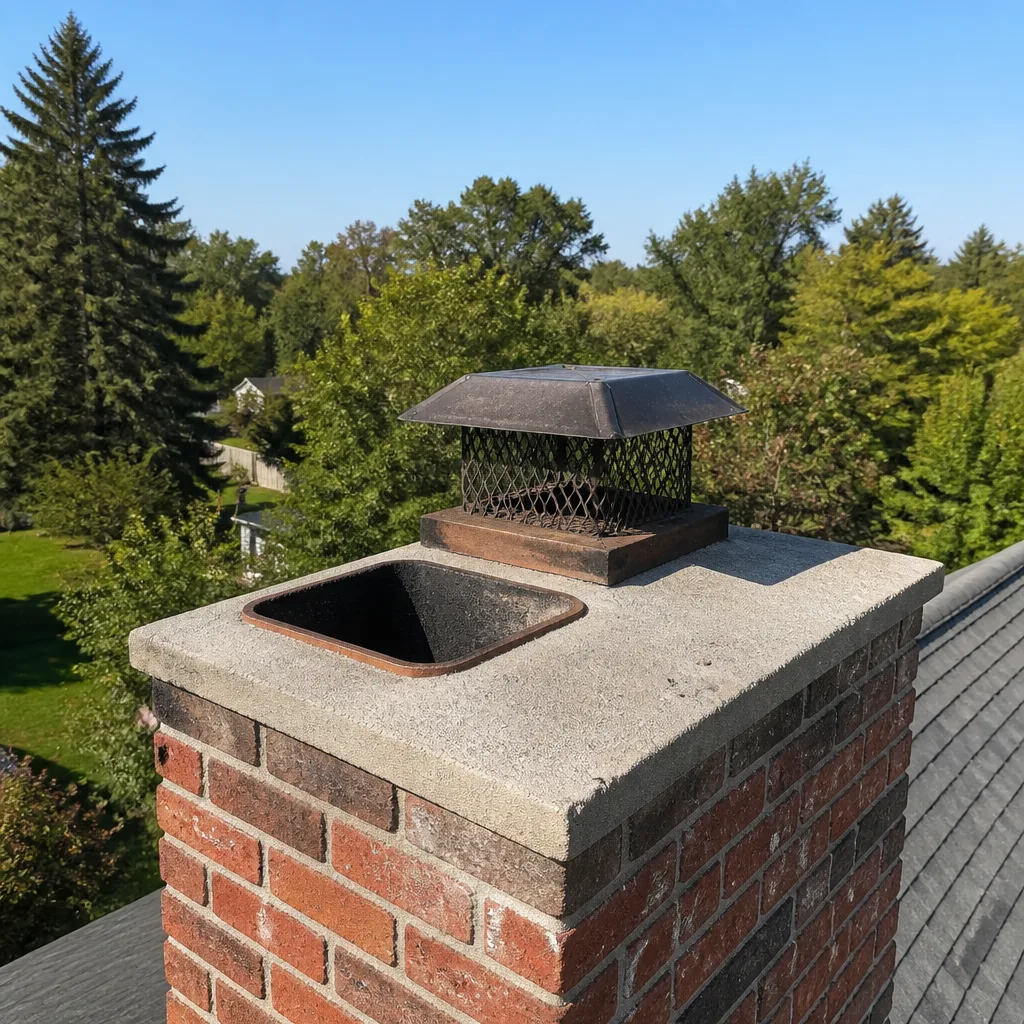
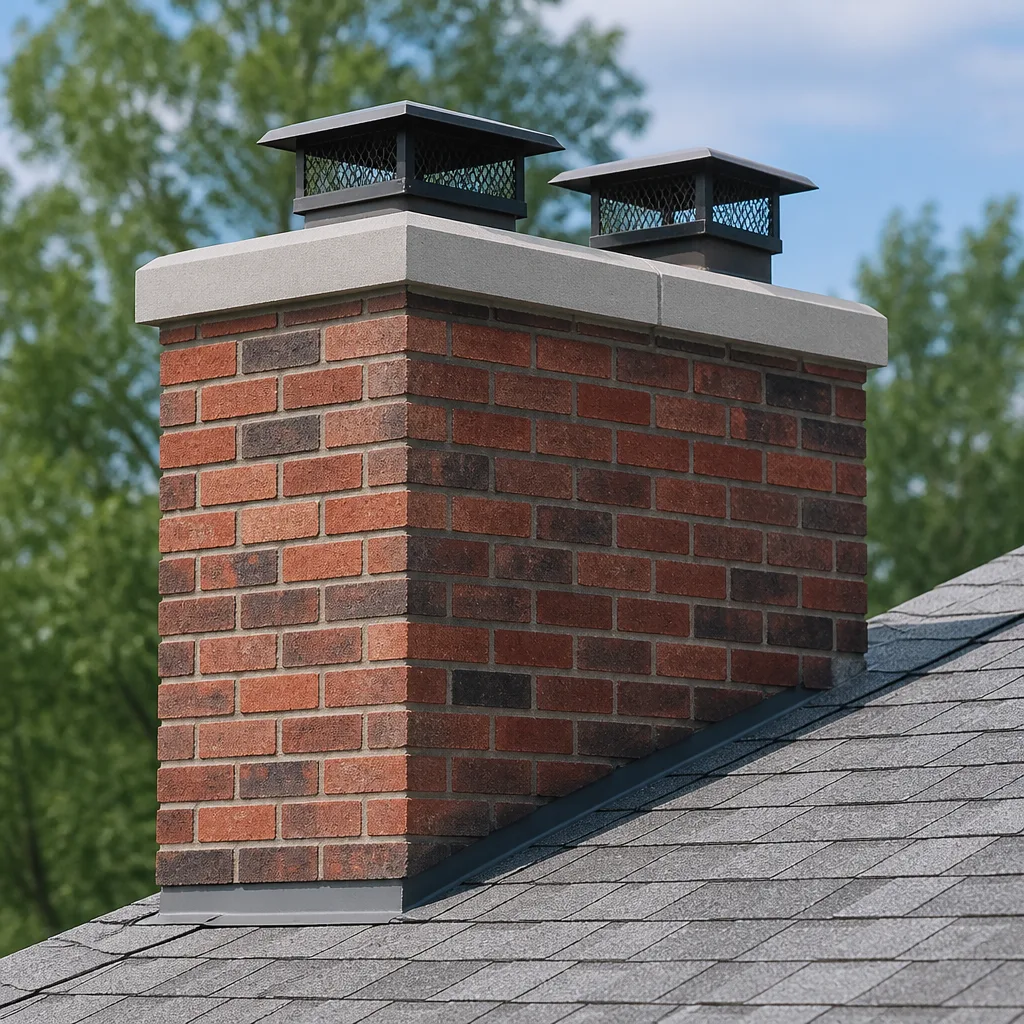
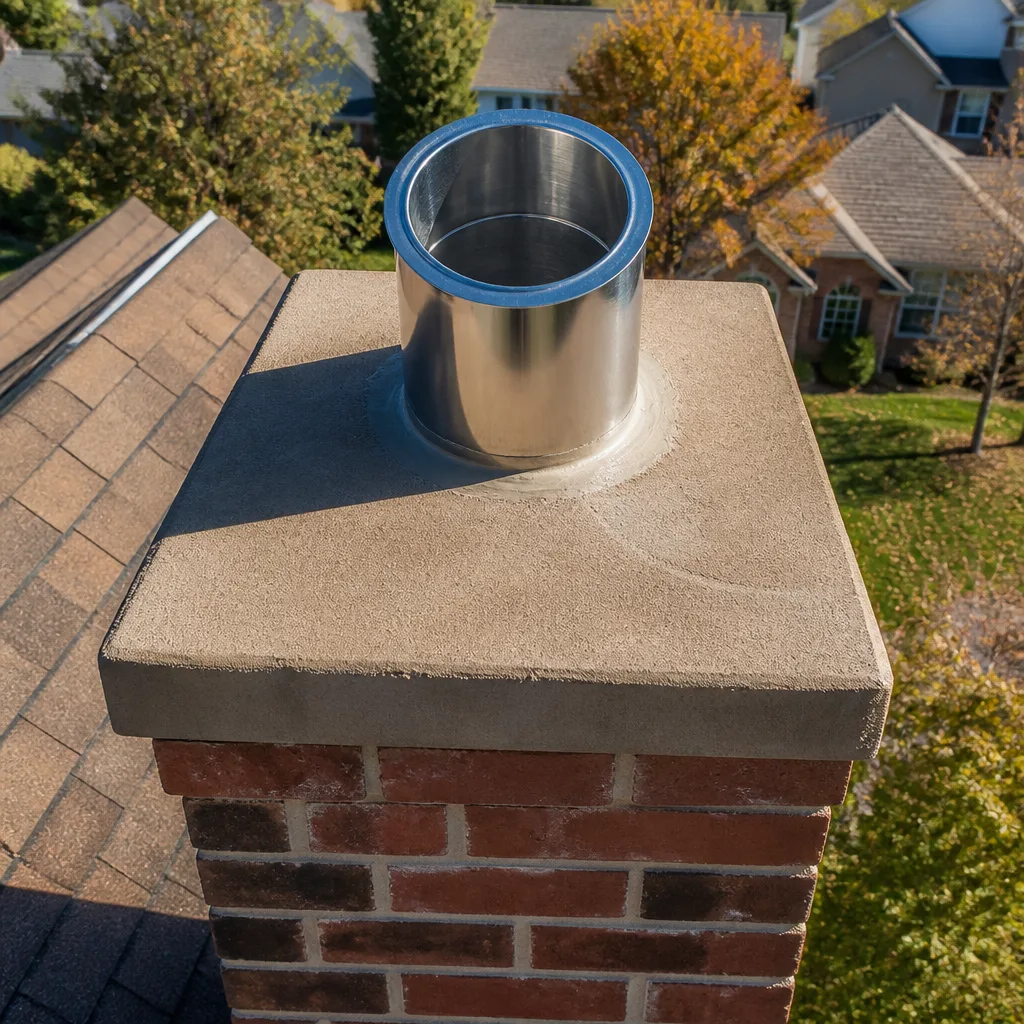
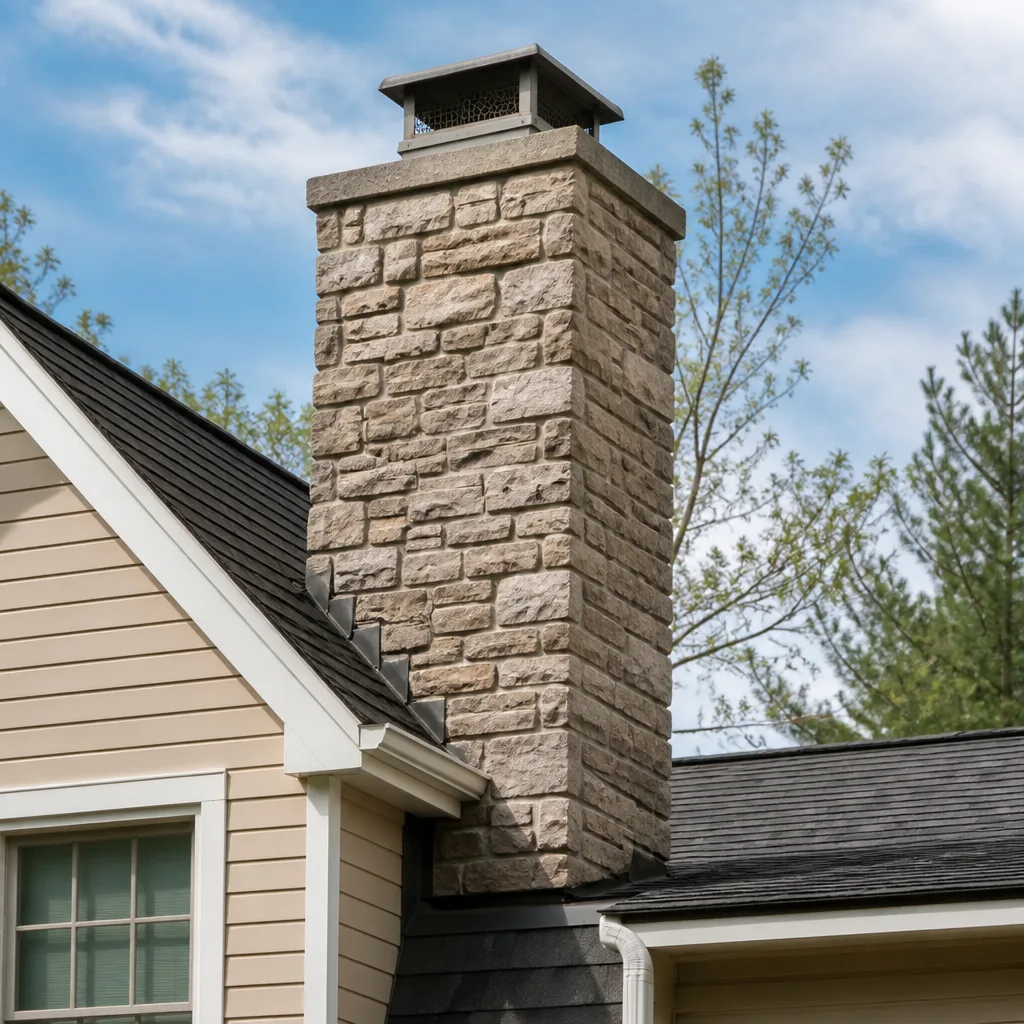
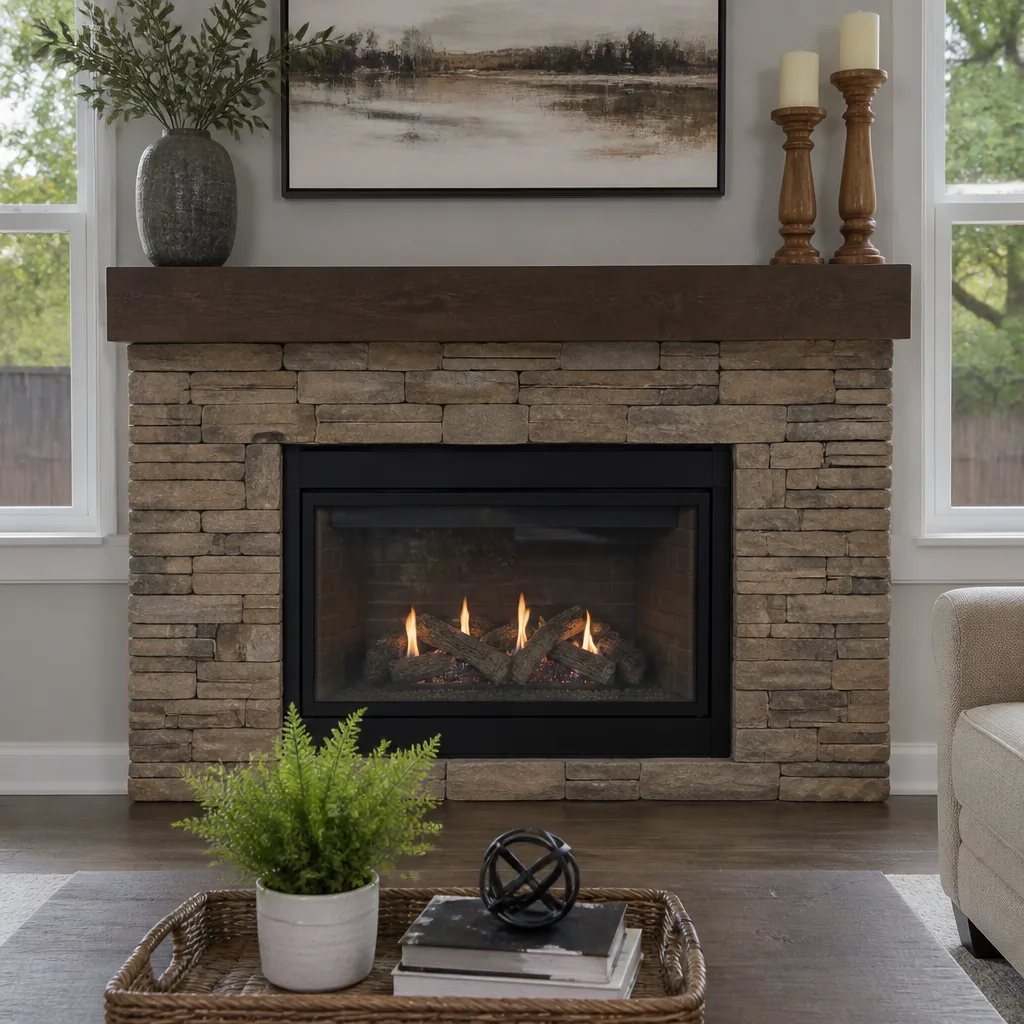
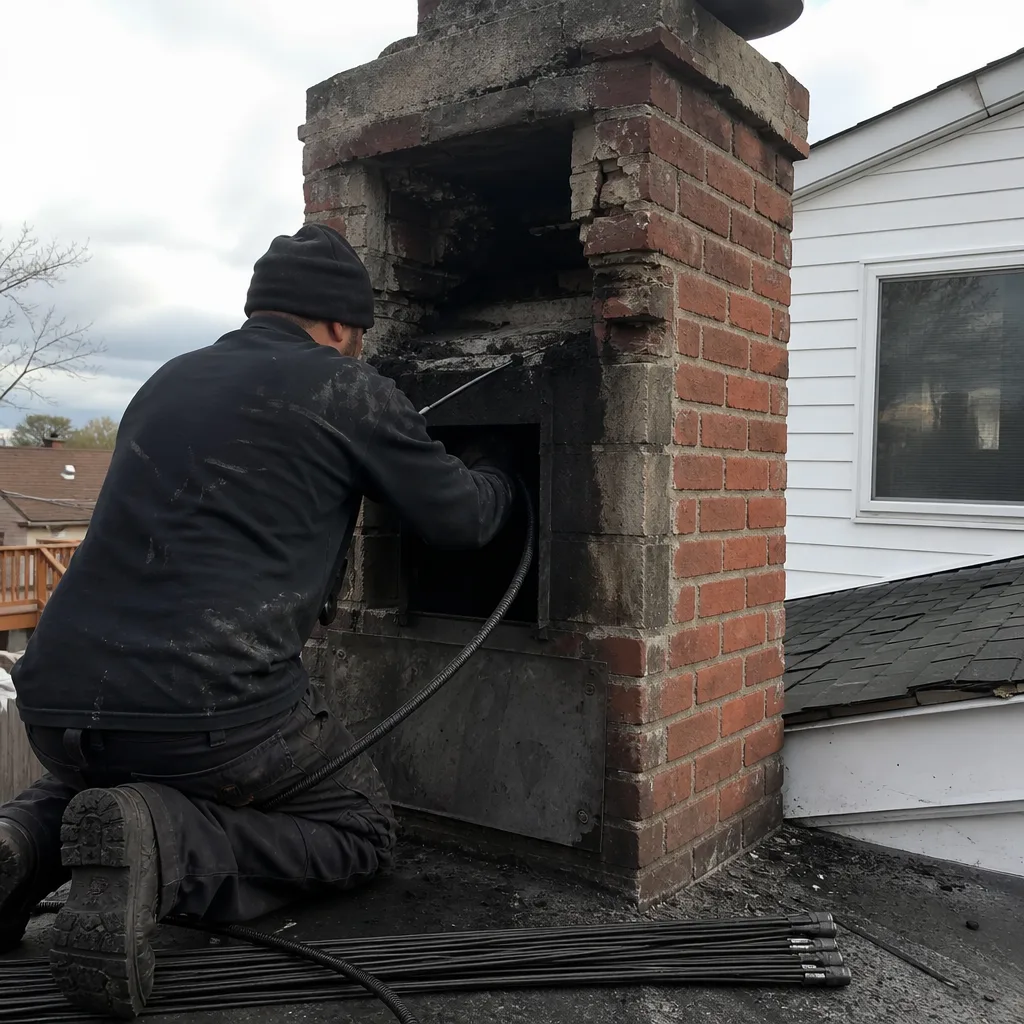 Before
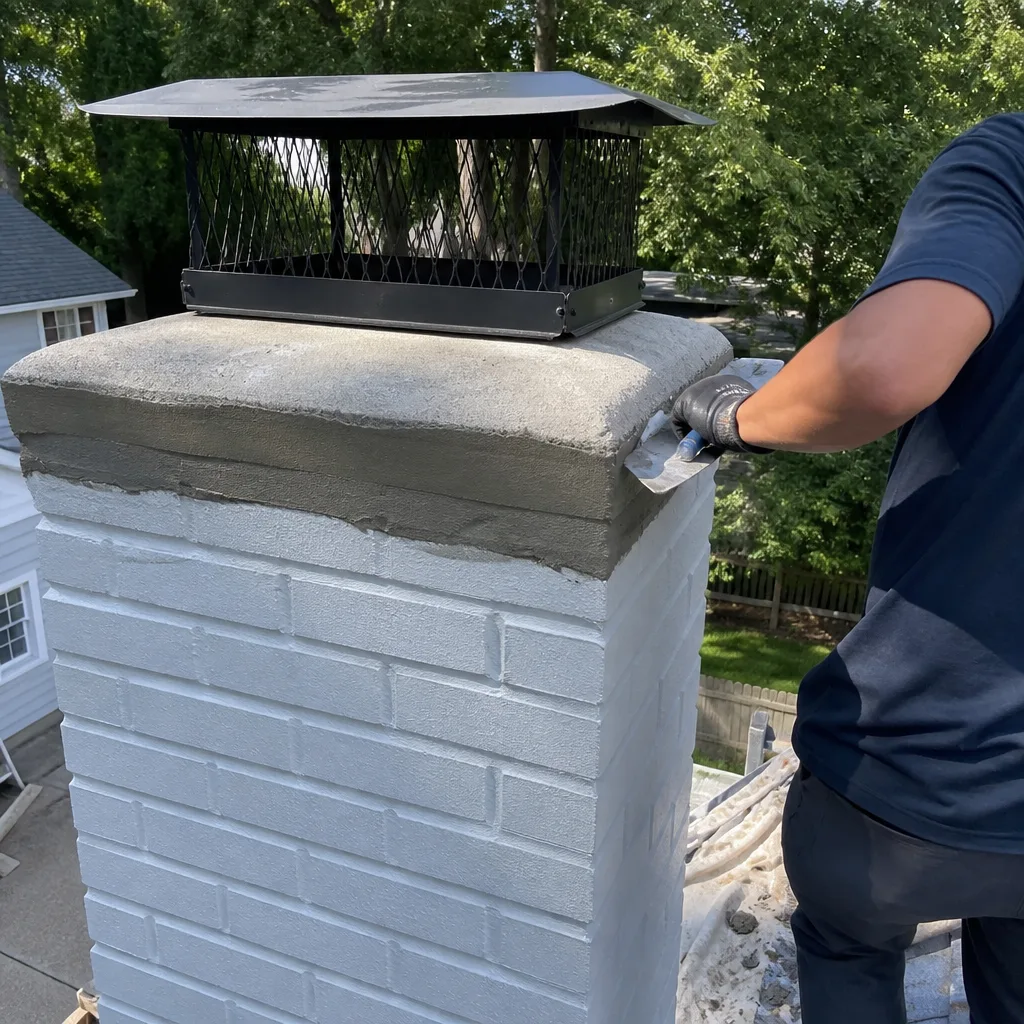 After
After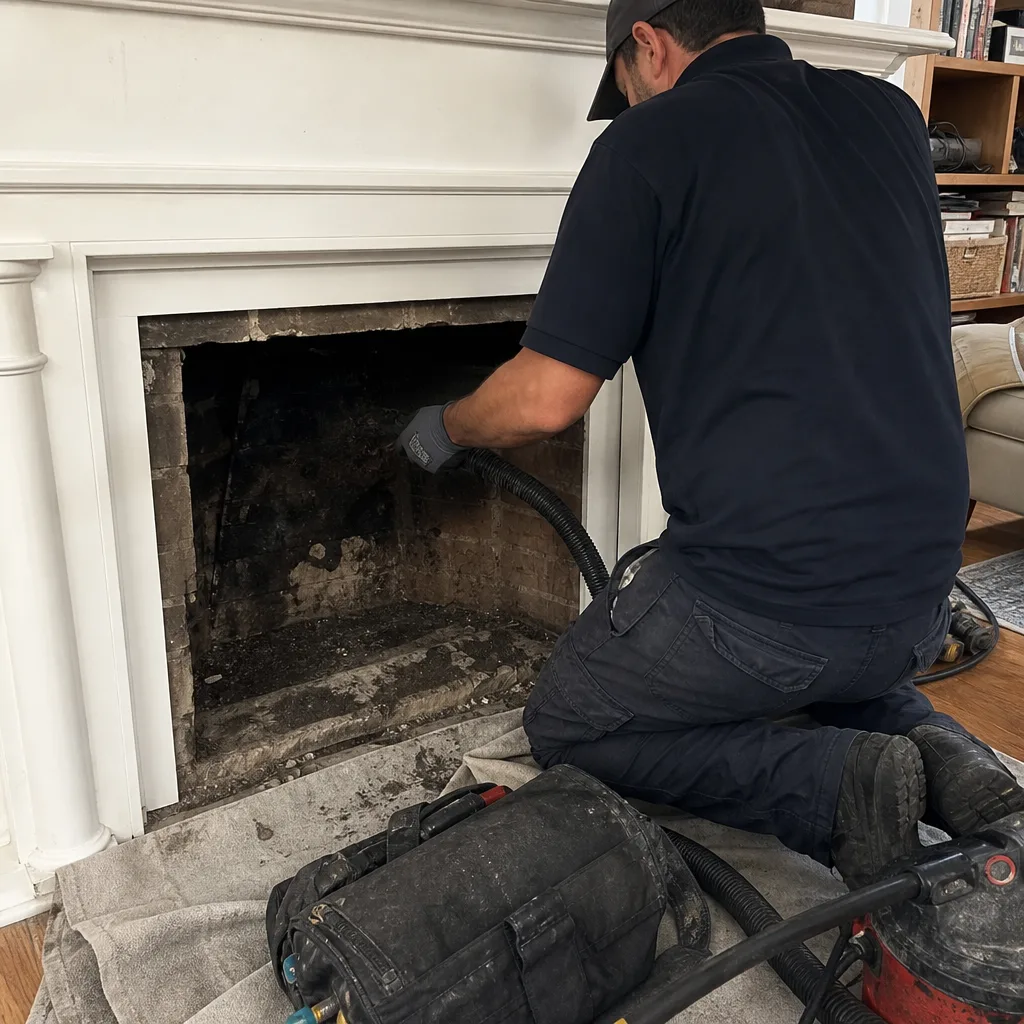 Before
 After
After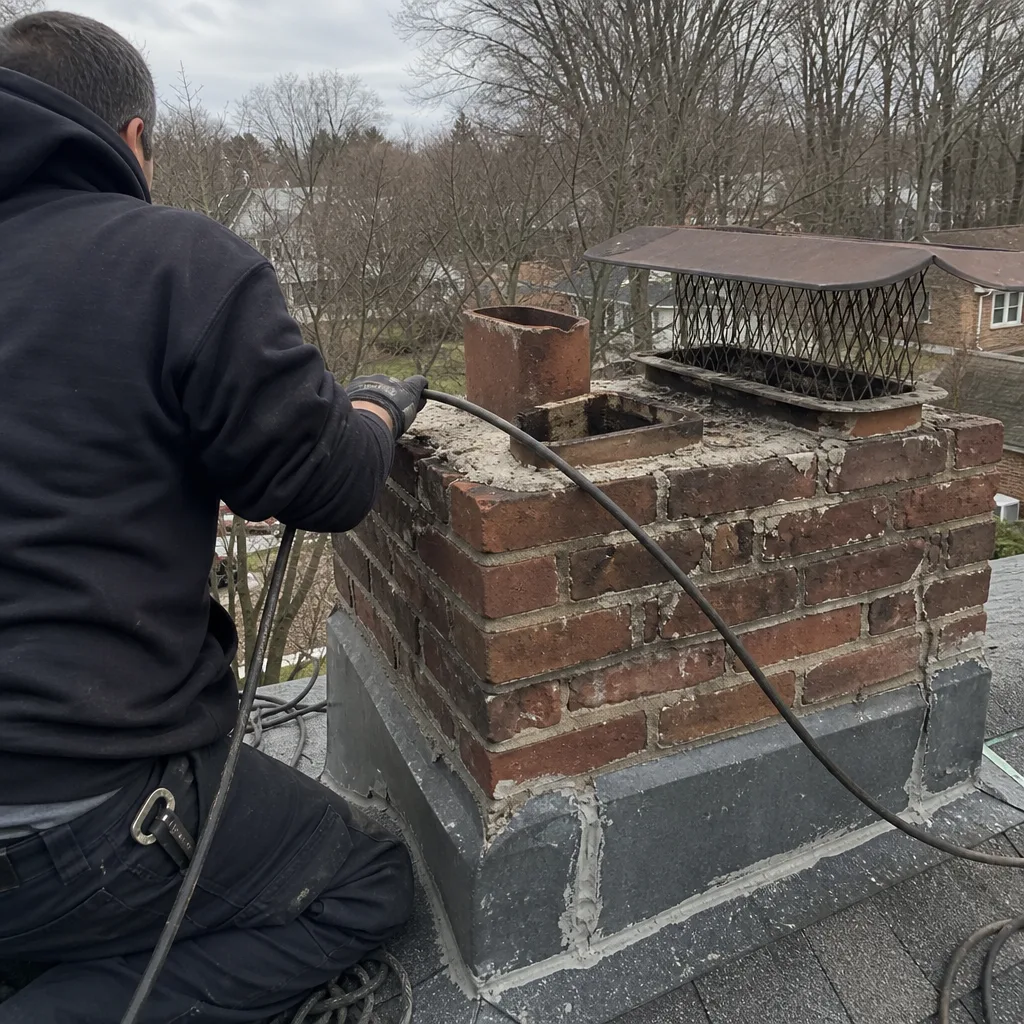 Before
 After
AfterCreosote Removal in Alexandria, VA
Creosote removal in Alexandria typically runs between $150 and $450, depending on how far the buildup has progressed and how much flue you have. Most standard cleanings with light-to-moderate creosote take one visit and a couple of hours. When the deposit has hardened into a glaze, the work gets more involved – but it still gets done, and the flue gets cleared.
If you burn wood in Alexandria, you have creosote. Every fire leaves some behind. The question is what stage it’s at and whether your sweep caught it before it became a problem. Wendell Pike has been providing Chimney Cleaning & Sweep services in Alexandria since 1999, and the answer to “do I really need this?” is almost always the same: you need it less when you stay on top of it, and a lot more when you don’t.
Top Hat Chimney is locally owned, and Wendell runs every job personally or has a sweep he trusts doing it in his name. The number you hear when you call – (571) 521-4837 – is answered by a live person around the clock, and the price quoted on the phone is the price on the invoice. No surprises at the door. If you want to start with the full picture of what a chimney cleaning looks like before booking a creosote-specific service, the Chimney Cleaning & Sweep in Alexandria page lays it out clearly.
When You Need Creosote Removal
Creosote doesn’t announce itself. It builds quietly between fires, and by the time most homeowners notice something’s off, the deposit has already moved past the easy-brush stage. Here are the situations where you need removal – not just a standard sweep:
- You smell smoke in the room during or after a fire. That oily, acrid smell often means creosote is thick enough to restrict airflow. The flue isn’t venting the way it should, and the byproducts are finding another way out.
- You see black, tar-like drips or shiny patches inside the firebox. Shiny or hardened deposits are Stage 2 or Stage 3 creosote – the kind that doesn’t brush off and requires chemical treatment or rotary tools before the flue is safe to use again.
- You’ve had a smoky, slow-burning fire all season. Alexandria winters are mild enough that a lot of homeowners burn slow, smoldering fires to stretch the wood. That’s exactly the burn pattern that accelerates creosote buildup – low heat, long duration, plenty of unburned particulates clinging to the liner.
- It’s been more than a year since your last cleaning. The National Fire Protection Association recommends inspection at minimum once a year. Wendell would tell you the same thing: once a year, burn or no burn. Chimneys deteriorate in the off-season too, and creosote left sitting over a humid Virginia summer gets harder and nastier.
- You had a chimney fire – even a small one you may not have noticed. Chimney fires are sometimes dramatic. Often they’re not. A fast pop, a rumbling sound, and it’s over. But even a short-duration chimney fire can crack a liner and leave behind a flue that looks intact but isn’t. A camera inspection after any suspected event is not optional.
- Your sweep flagged Stage 2 or Stage 3 on a previous visit. If another sweep already told you the creosote had glazed and you haven’t had it addressed, the job hasn’t been done. Brushing over a glaze doesn’t remove it – it just scratches the surface and gives you a false pass.
Our Creosote Removal Process
Every job starts with a Level 1 Inspection before anything else gets touched. The sweep’s job is to know exactly what’s in the flue before deciding which tools and methods are right for it. Here’s how the work goes:
- Camera inspection of the full flue. Wendell or his sweep runs a camera from the firebox to the crown. You see what they see – on a screen, in real time – and get a plain-English read on what’s there. Stage 1 gets noted. Stage 2 and Stage 3 get flagged and explained before any pricing changes.
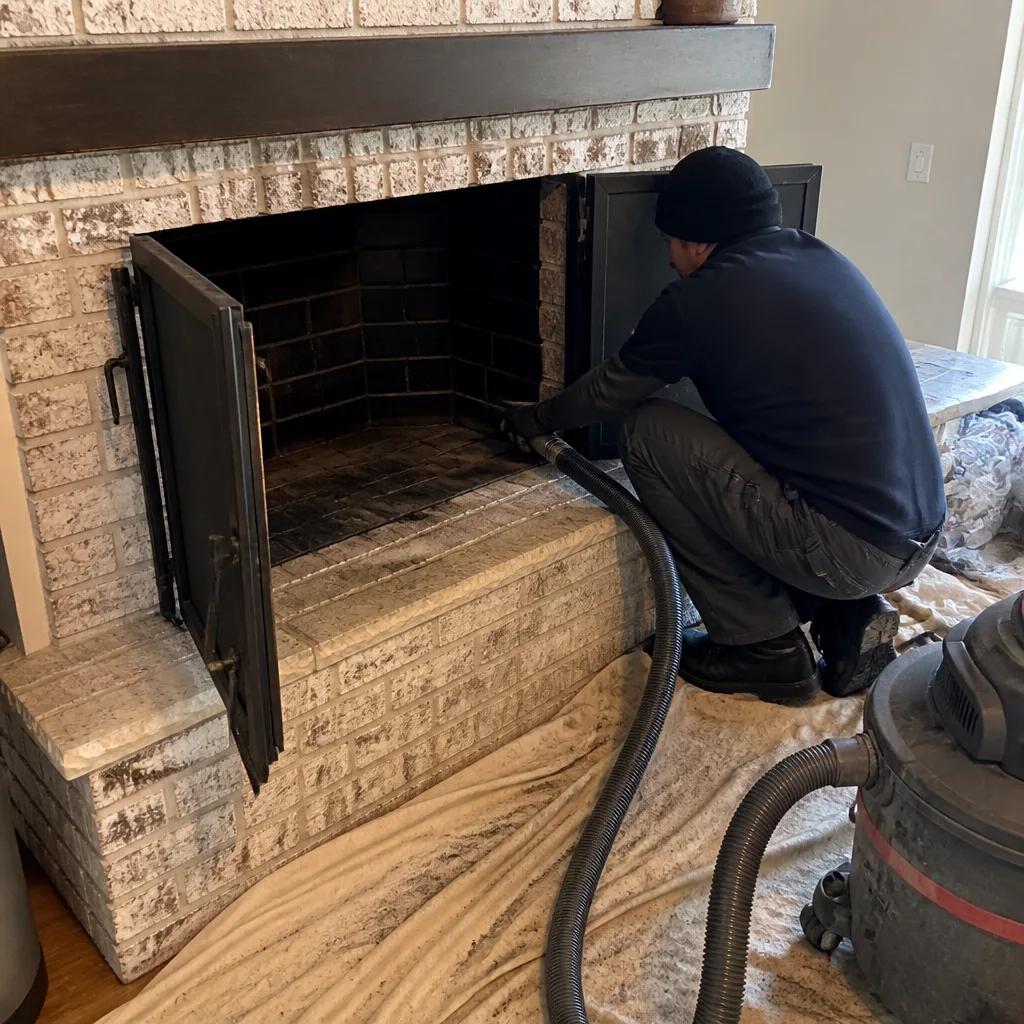
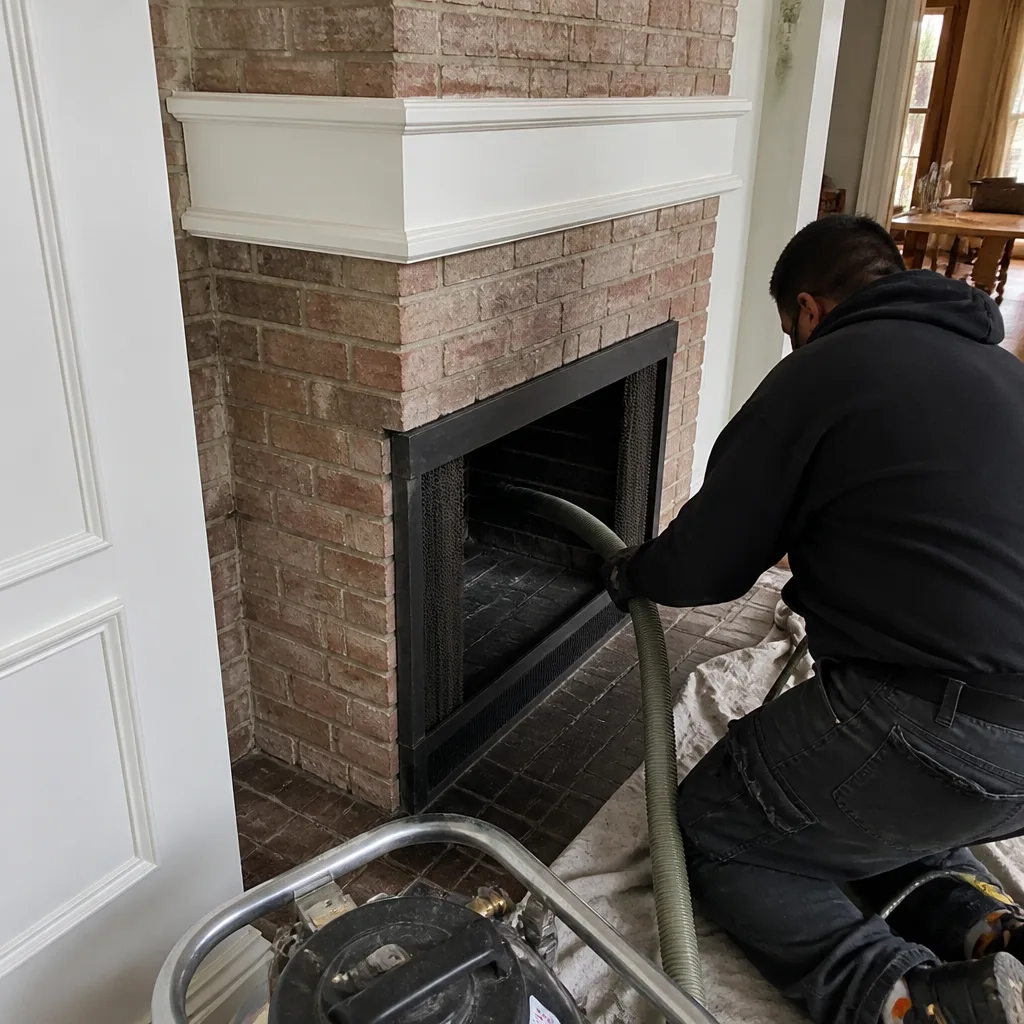
- Drop cloths and containment inside the home. A chimney in Alexandria’s older neighborhoods – Old Town, Del Ray, Seminary Hill – is often attached to a living room someone actually uses. The work is done with drop cloths, a HEPA-filtered vacuum running at the firebox opening, and attention to not leaving the house dirtier than it was found.
- Mechanical brushing for Stage 1 deposits. Light, dry, flaky creosote is a brush job. Wire brushes sized to the flue work from the top down, and the vacuum catches the debris as it falls. This is fast, clean, and handles the majority of annual-cleaning creosote in Alexandria homes that burn responsibly.
- Chemical treatment for Stage 2 and Stage 3. Hardened or glazed creosote doesn’t brush. We apply a chemical creosote remover – Copperfield’s CS-100 or comparable industrial-grade products – that works to convert the glaze into a more removable compound. In some cases this requires a second visit: the product does its work over several days, and then the loosened deposit gets brushed out. We’ll tell you upfront if that’s the situation.
- Rotary power sweeping where the buildup warrants it. Stage 3 glaze that has gone hard sometimes needs rotary cleaning heads in addition to chemical treatment. This takes more time and more passes, and it’s reflected honestly in the quote – not added to the invoice after the fact.
- Post-removal camera check and written report. Once the flue is clear, the camera goes back in. You see the before and the after. The report notes the condition of the liner, any cracks or deterioration spotted during the sweep, and whether anything needs attention before the next burn season. No vague verbal assurances – you leave with something in writing.
Creosote Removal Pricing in Alexandria
Creosote removal in Alexandria costs more or less depending on three things: how far the deposit has progressed, how tall and complex the flue is, and whether one visit gets it done or the job needs a follow-up. Here’s an honest look at what you’re likely to pay:
| Service | Typical Price Range |
|---|---|
| Standard chimney sweep with light creosote (Stage 1) | $150 – $225 |
| Moderate creosote removal (Stage 2, single visit) | $225 – $350 |
| Heavy glaze removal (Stage 3, may require two visits) | $350 – $650+ |
| Chemical creosote treatment (per application) | $75 – $150 |
| Camera inspection (standalone or bundled) | $75 – $125 (often included with cleaning) |
A few things affect where your job lands in those ranges. Taller chimneys and multi-story homes in Alexandria’s West End or in the townhomes around Landmark take longer to sweep top-to-bottom. Prefabricated metal fireplaces sometimes have flue configurations that add time. And a flue that hasn’t had Fireplace Cleaning in several years – or one that was “cleaned” by a company that brushed over the glaze and called it done – may require more chemical treatment than a straightforward annual service.
If your repair comes to more than $200, take $40 off. That’s a standing offer, not a limited-time promotion. Seniors and veterans always get 10% off. And if another company has given you a written estimate that you’re not sure about, bring it in – the second opinion is free, and Wendell will tell you plainly whether the work is necessary and whether the price is fair.
There’s no trip charge for calls inside the service county, and the price quoted before work starts is the price on the invoice. Call (571) 521-4837 for a free estimate – whoever answers will be able to give you a range on the phone and schedule a time that works.
What Makes Third-Degree Creosote Different
Stage 3 creosote – the kind that has cooked into a hard, shiny glaze – is worth understanding separately because homeowners sometimes get a vague warning about it without a clear explanation of why it matters.
The issue isn’t just that it’s harder to remove, though it is. The issue is that it’s highly flammable, bonded tightly to the liner, and in a house fire situation it burns at temperatures that can exceed 2,000 degrees Fahrenheit. That’s hot enough to crack masonry, fail a metal liner, and compromise the structural integrity of the surrounding chimney in a very short time.
High-heat chimney fires are genuinely dangerous, and this is one place where the honest advice is: do not use the fireplace again until the flue has been inspected and cleared. Wendell has walked through enough Alexandria homes after chimney-fire events to say that plainly. A Level 2 Inspection with the camera goes in first, every time, and if the liner is compromised the repair conversation happens before anything is burned again.
For severe Stage 3 cases, HeatShield liner restoration or a DuraFlex stainless liner may be part of the solution – not because it’s a bigger ticket, but because a cracked or degraded liner next to glazed creosote is a combination that doesn’t end well. That assessment happens in writing, with camera footage, and you decide what to do with the information.
Why Alexandria Chimneys See More Creosote Than You’d Expect
Alexandria sits in a climate zone that produces creosote problems for a specific set of reasons. Winters here are short enough that a lot of homeowners burn fires that are more atmospheric than functional – lower heat, smaller loads of wood, longer smolder times. That burn pattern is exactly what accelerates Stage 2 and Stage 3 buildup.
The humidity doesn’t help either. Northern Virginia’s spring and summer humidity, especially in older neighborhoods close to the Potomac like Old Town and Rosemont, means moisture gets into masonry chimneys during the off-season. Moisture plus residual creosote deposits, over a few months, can accelerate the process of that creosote hardening into a glaze that no standard brush will touch.
Older homes are a factor too. A lot of Alexandria’s housing stock – particularly in Del Ray and the blocks around King Street – has original masonry that has been through decades of fires. The flues are generally sound, but they’ve accumulated seasons of deposits, and a chimney that was swept ten years ago by someone who didn’t camera-inspect may have issues that nobody has looked at directly.
None of that is a reason to panic. It’s a reason to inspect annually and stay ahead of it. Top Hat Chimney has been doing exactly that in this area since 1999, and the pattern is consistent: the homeowners who call once a year never end up with the big jobs. The homeowners who wait four or five years sometimes do.
Key Takeaways
- Creosote removal in Alexandria runs $150 to $650+ depending on the stage of buildup. Most annual-cleaning jobs land in the $150-$225 range.
- Stage 1 is a brush job. Stage 2 and Stage 3 require chemical treatment and sometimes rotary tools – and a sweep who won’t tell you the difference isn’t doing the job.
- Short, smoldering fires typical of mild Virginia winters accelerate creosote buildup faster than most homeowners realize.
- Every Top Hat Chimney job includes a camera inspection before and after, and a written report. The 90-Day Done Right Promise backs every service – one call brings Wendell back if something’s not right.
- Seniors and veterans get 10% off, always. Any repair over $200 takes $40 off. Free second opinion on any written estimate from a competitor.
FAQs – Creosote Removal
How much does creosote removal cost in Alexandria, VA?
Creosote removal in Alexandria costs between $150 and $650 or more, depending on the stage of the deposit and the complexity of the flue. Stage 1 cleanings with light, dry buildup are typically $150 to $225. Stage 2 with some hardening runs $225 to $350. Stage 3 glaze – the hardened, shiny kind that requires chemical treatment and sometimes multiple visits – can reach $450 to $650 or beyond. The estimate is always free, and the price is set before any work starts. Call (571) 521-4837 and whoever picks up can give you a realistic range over the phone before you schedule anything.
Can I remove creosote myself?
You can apply creosote-modifying products like chimney sticks or powder additives yourself, and they have modest value as maintenance between professional cleanings. What you cannot do safely is remove Stage 2 or Stage 3 creosote on your own. The work requires inspecting a confined flue with proper tools, knowing what you’re looking at, and understanding the difference between a liner that’s intact and one that’s been compromised. More directly: the inside of a chimney flue is dark, abrasive, and full of material that you don’t want to disturb without equipment and a plan for where it goes. A professional sweep with a HEPA vacuum and a camera is the right call for anything beyond light maintenance.
How often should creosote be removed from a chimney?
Once a year is the minimum, and that applies whether you burned one cord of wood or none. The National Fire Protection Association (NFPA 211) says annual inspection is the floor, not a suggestion. In practice, a wood-burning fireplace that sees regular use in Alexandria should be swept every season – typically in the fall before burn season starts, or in the spring after it ends. If you’re burning green or unseasoned wood, or running a lot of low-temperature fires, twice a year is more honest advice. Creosote you catch at Stage 1 costs $150 to brush out. Creosote you miss until Stage 3 costs considerably more.
Is creosote removal covered by homeowners insurance?
Routine creosote removal is maintenance, and maintenance is not covered by homeowners insurance – that’s a consistent rule across policies. Where insurance sometimes enters the picture is after a chimney fire: if glazed creosote caused a fire event that damaged the liner or surrounding structure, that damage may be a covered claim depending on your policy. If you’ve had a chimney fire and need documentation – a written inspection report, camera footage, a description of what was found and removed – we can provide all of that. Call (571) 521-4837 to schedule an inspection if you’re dealing with a claim or just want a clear record of the flue’s condition.
Ready to Schedule?
If your Alexandria fireplace hasn’t been swept this year, or if a previous sweep flagged creosote and you haven’t had it cleared, call (571) 521-4837. A live person answers around the clock – it may well be Wendell himself. The estimate is free, the pricing is upfront, and the 90-Day Done Right Promise is in writing on every job. Top Hat Chimney has been doing this work in Alexandria since 1999, and the flue gets cleared the first time or we come back. That’s not a marketing line – it’s how the home page puts it, and it’s what every invoice reflects.
Written by Wendell Pike, Owner at Top Hat Chimney, serving Alexandria since 1999.