
Last updated September 10, 2026
Level 1 sweep and inspection to the NFPA 211 annual standard - flue, crown, cap, and flashing checked and photographed
Chimney sweep logs do not sweep chimneys. They loosen some creosote - which then falls where a brush and vacuum still have to collect it.
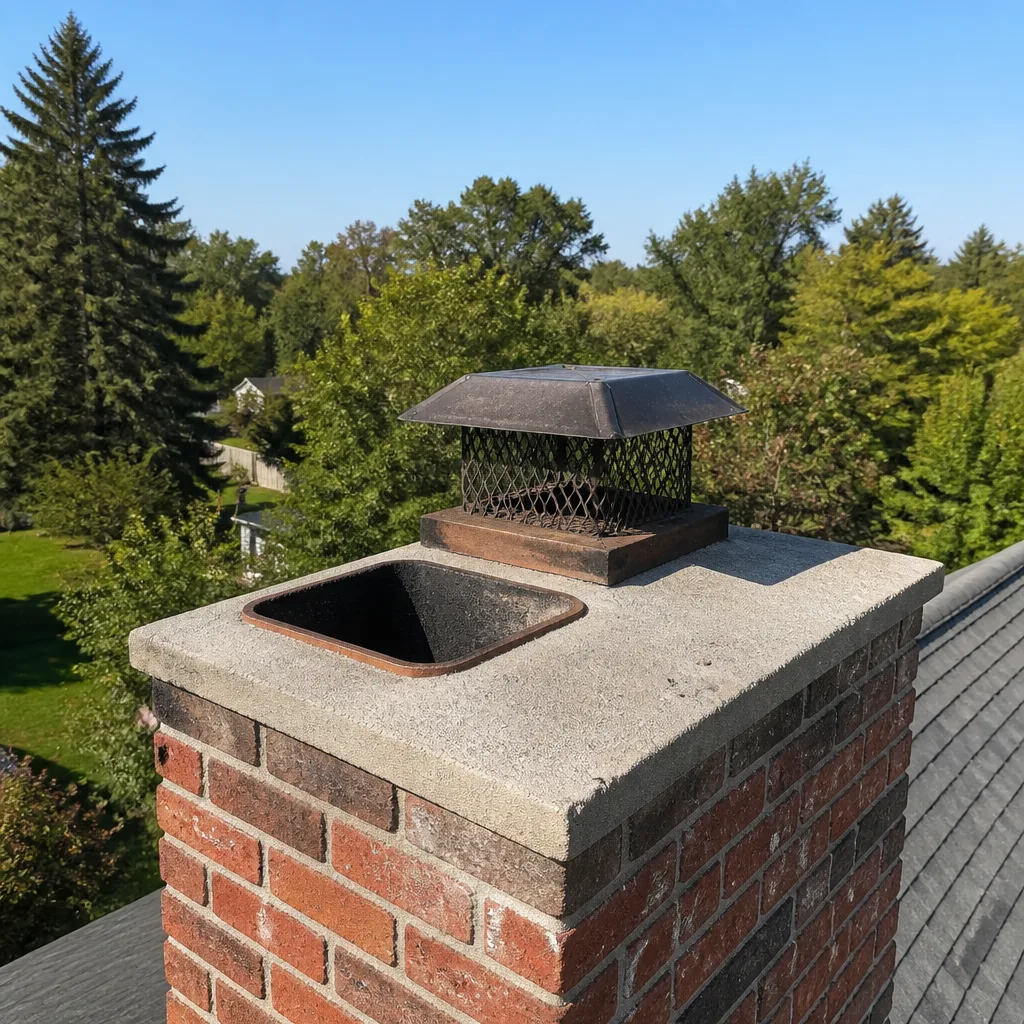
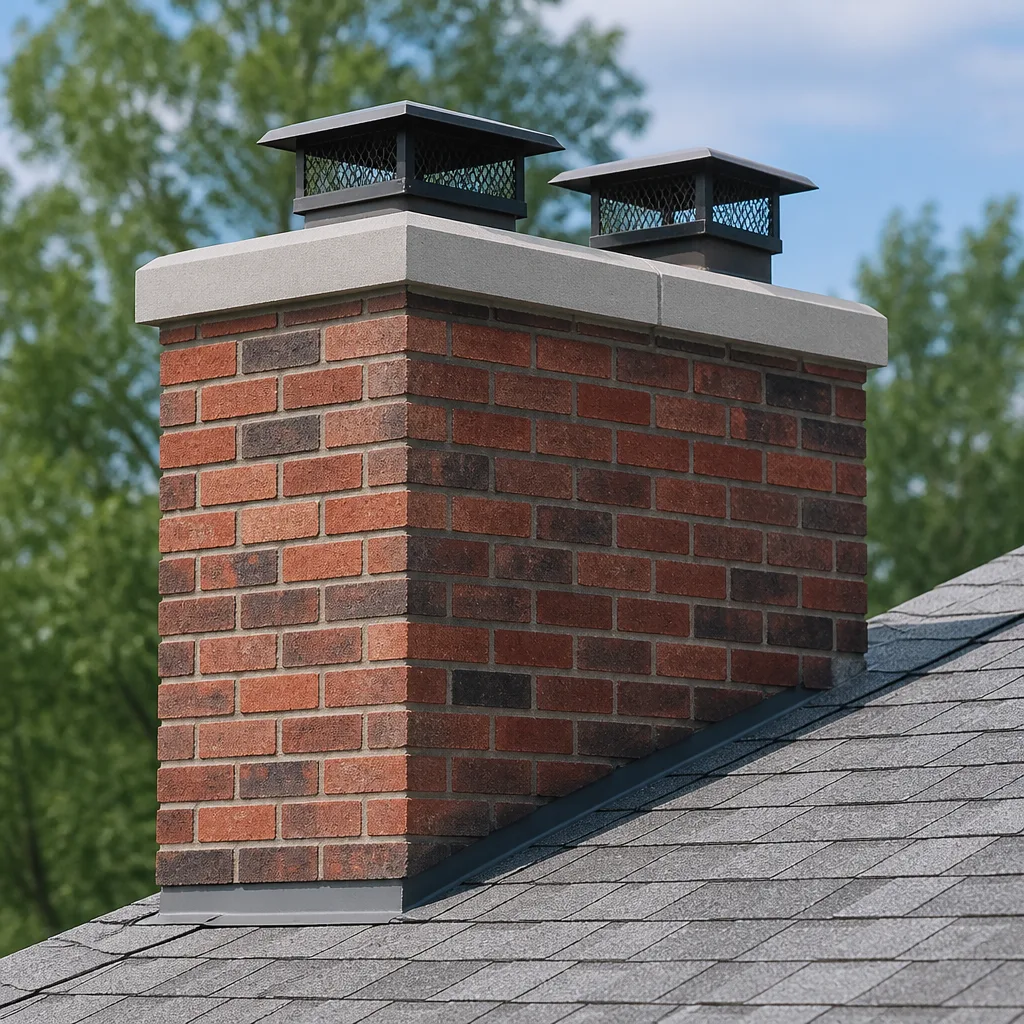
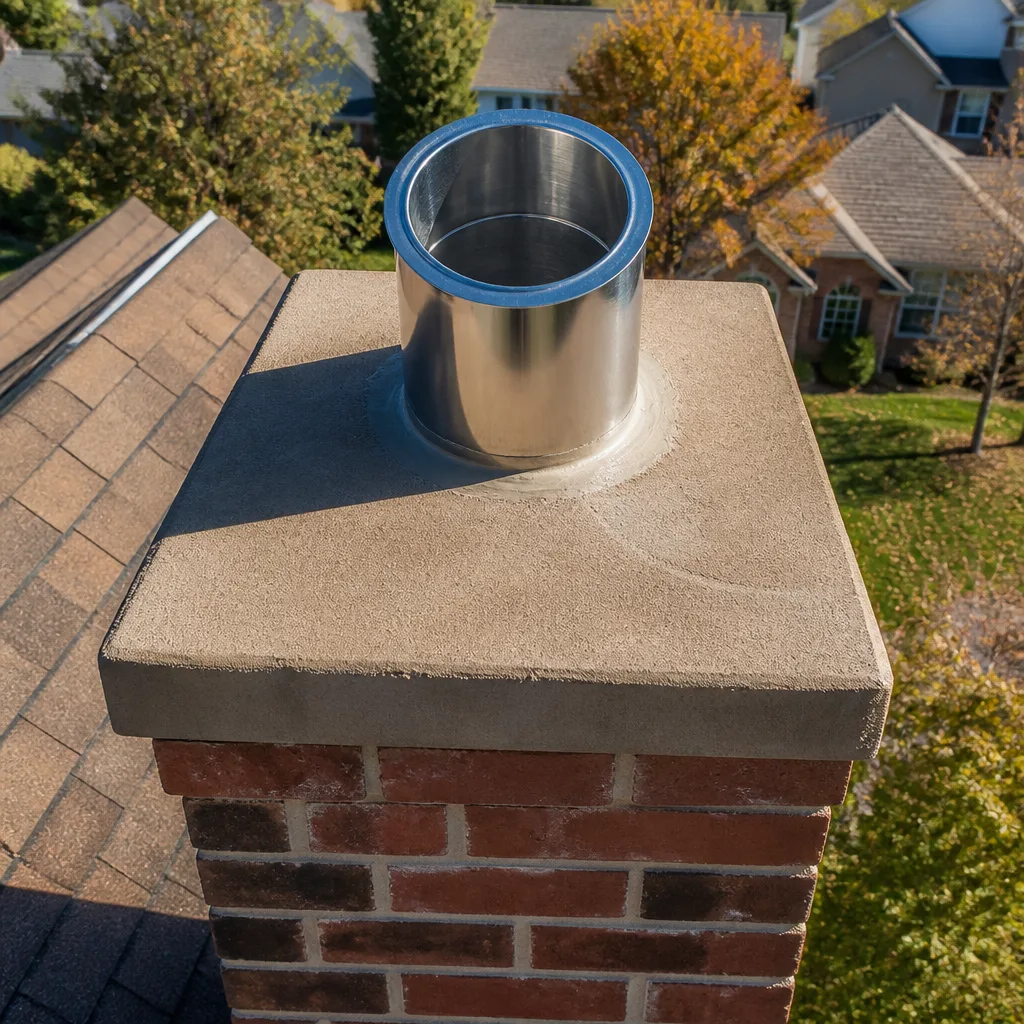
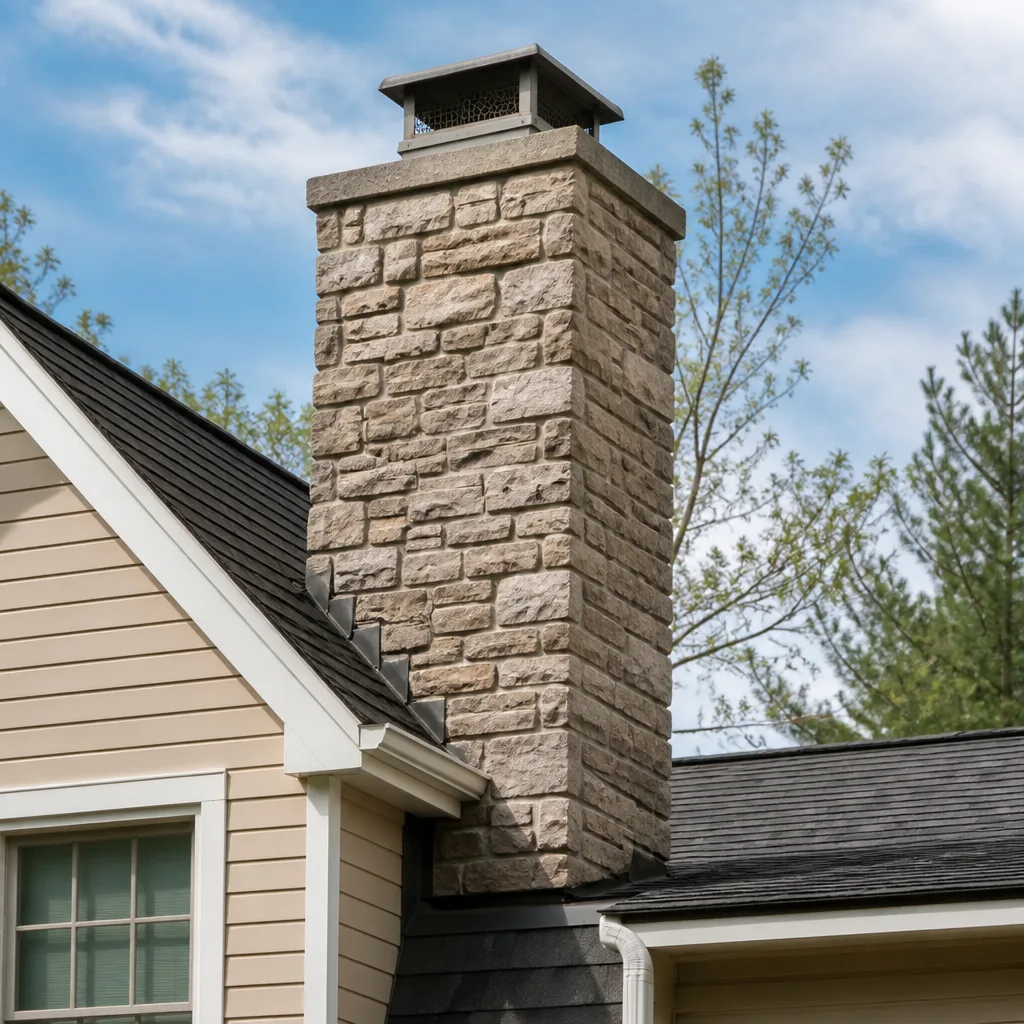
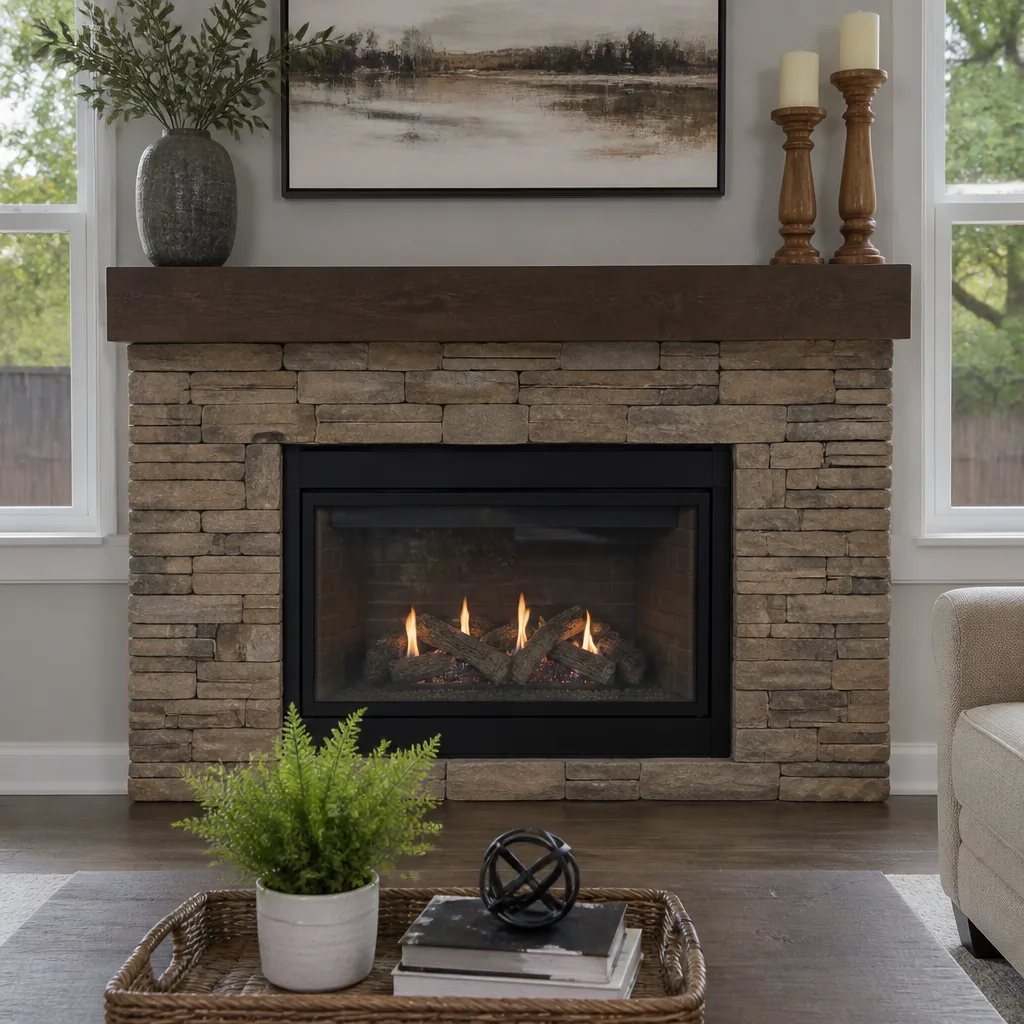
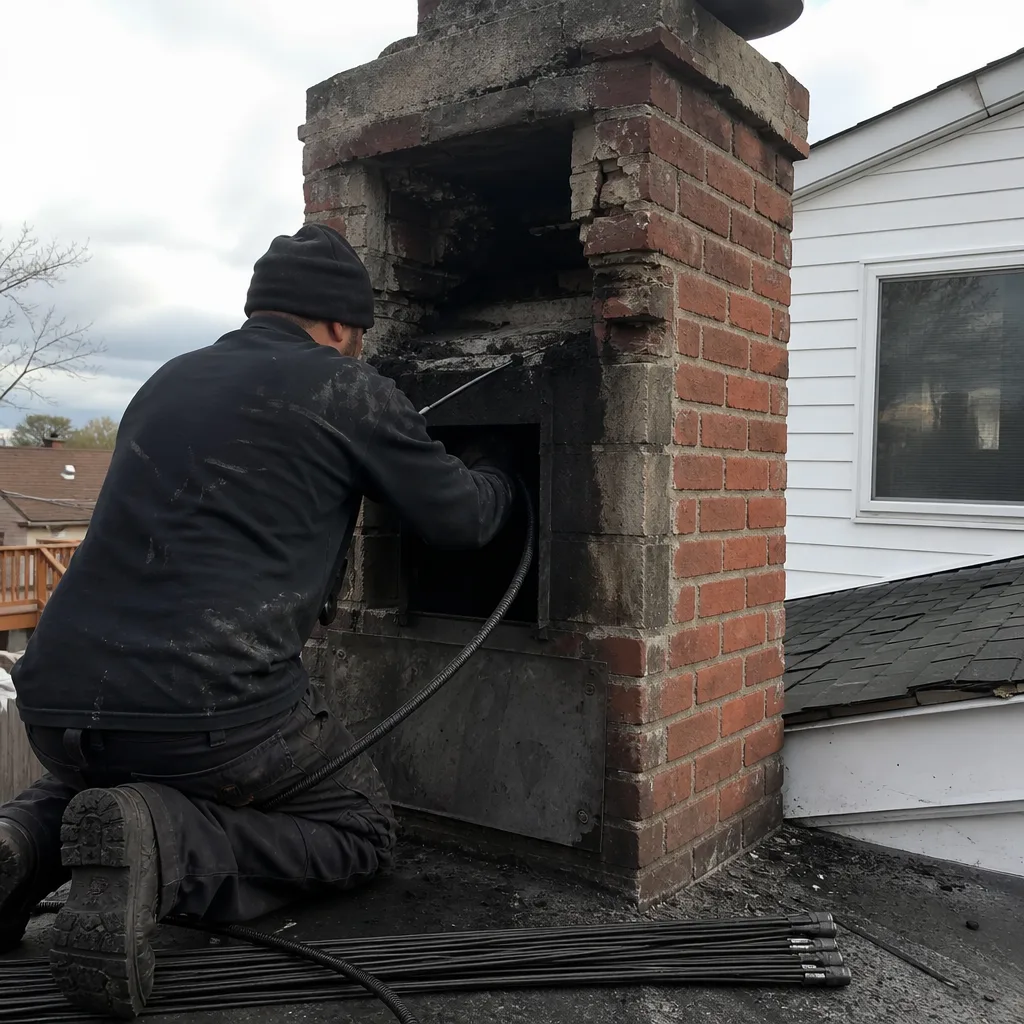 Before
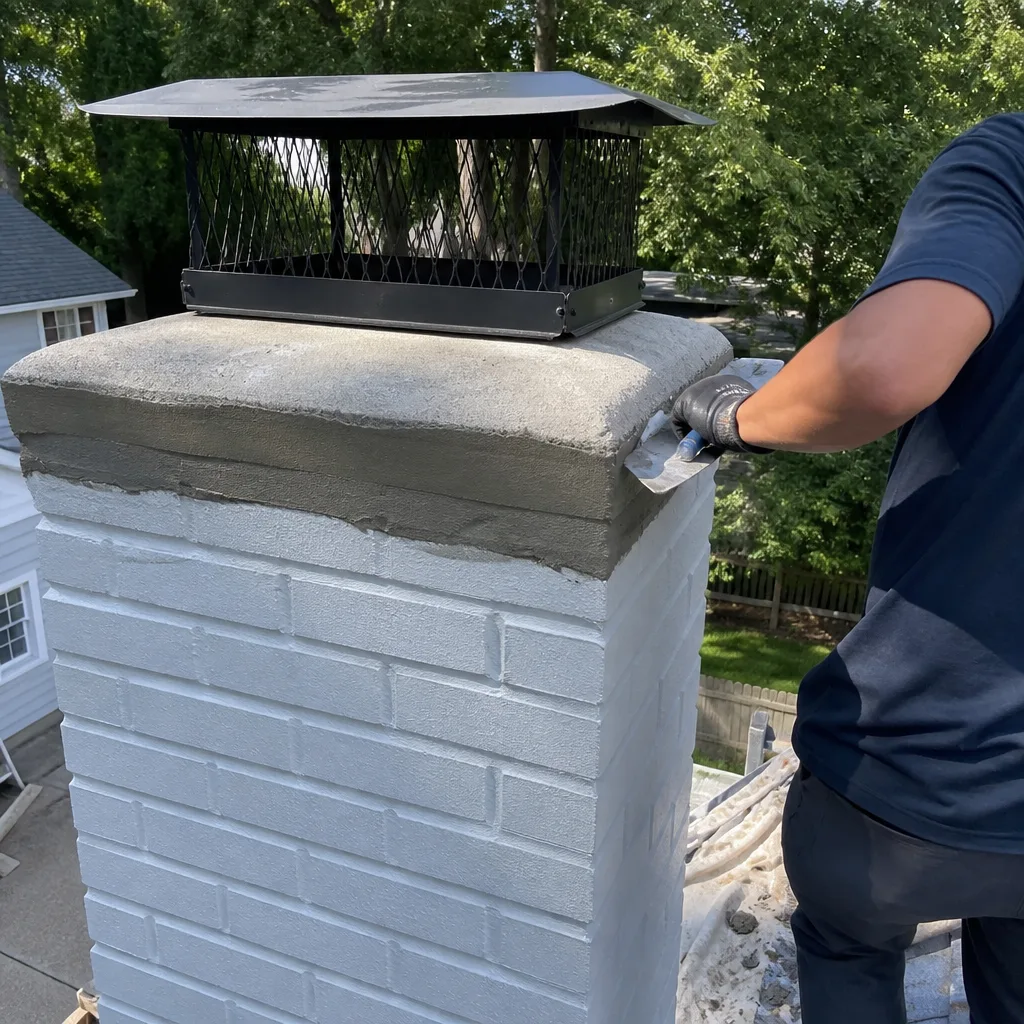 After
After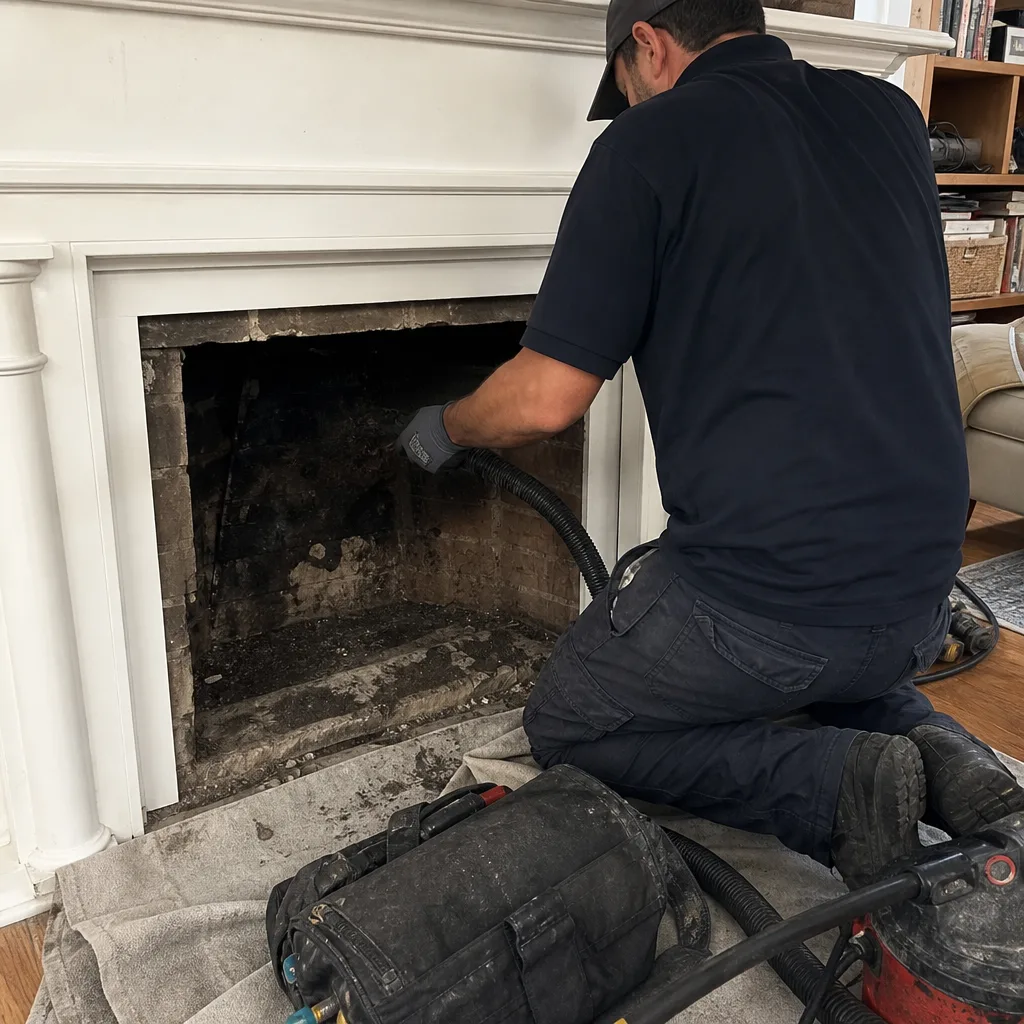 Before
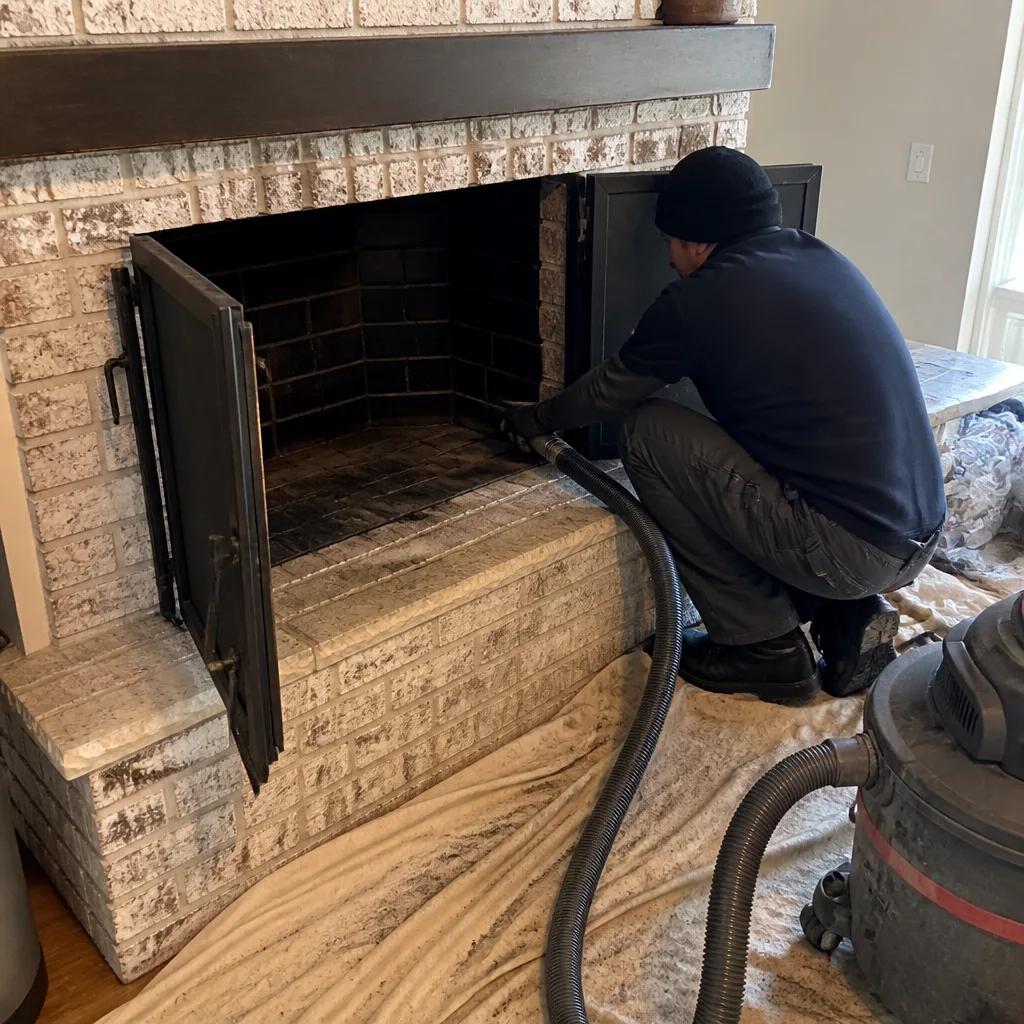 After
After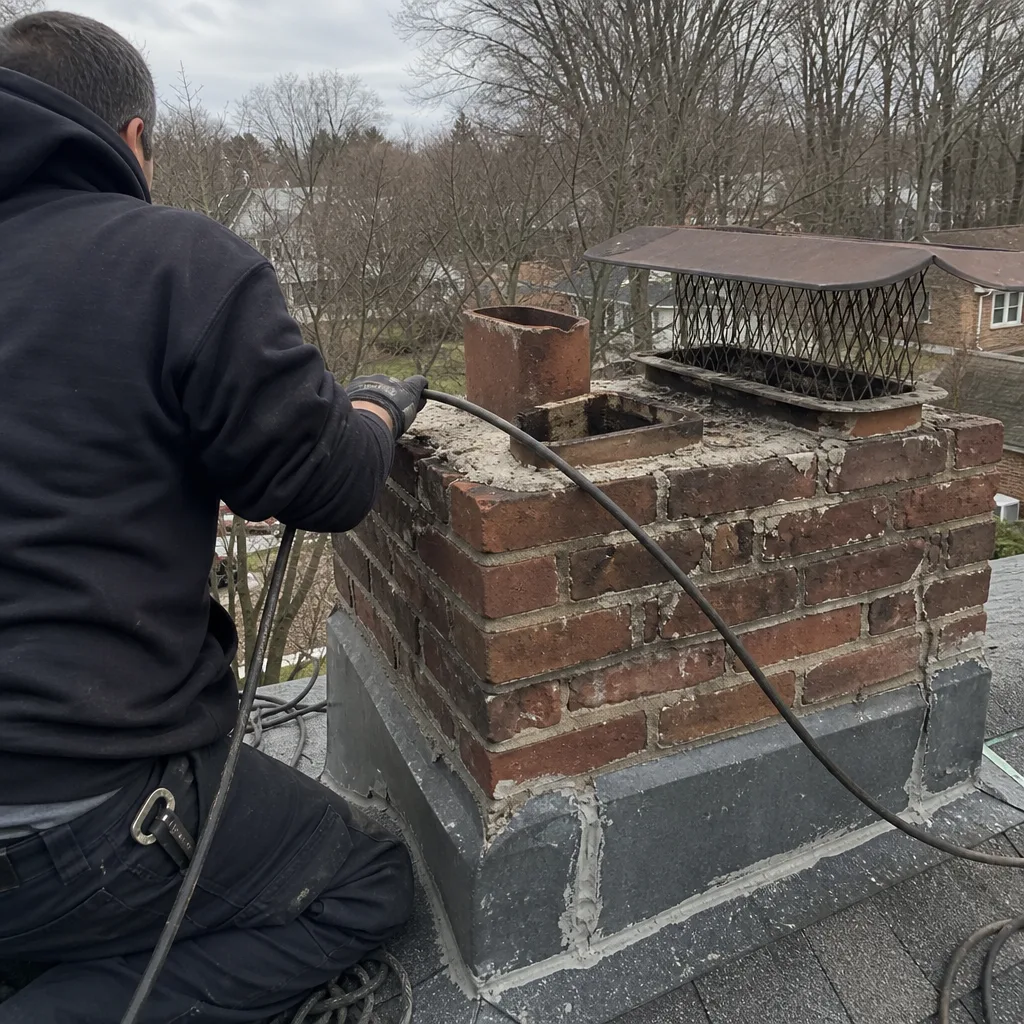 Before
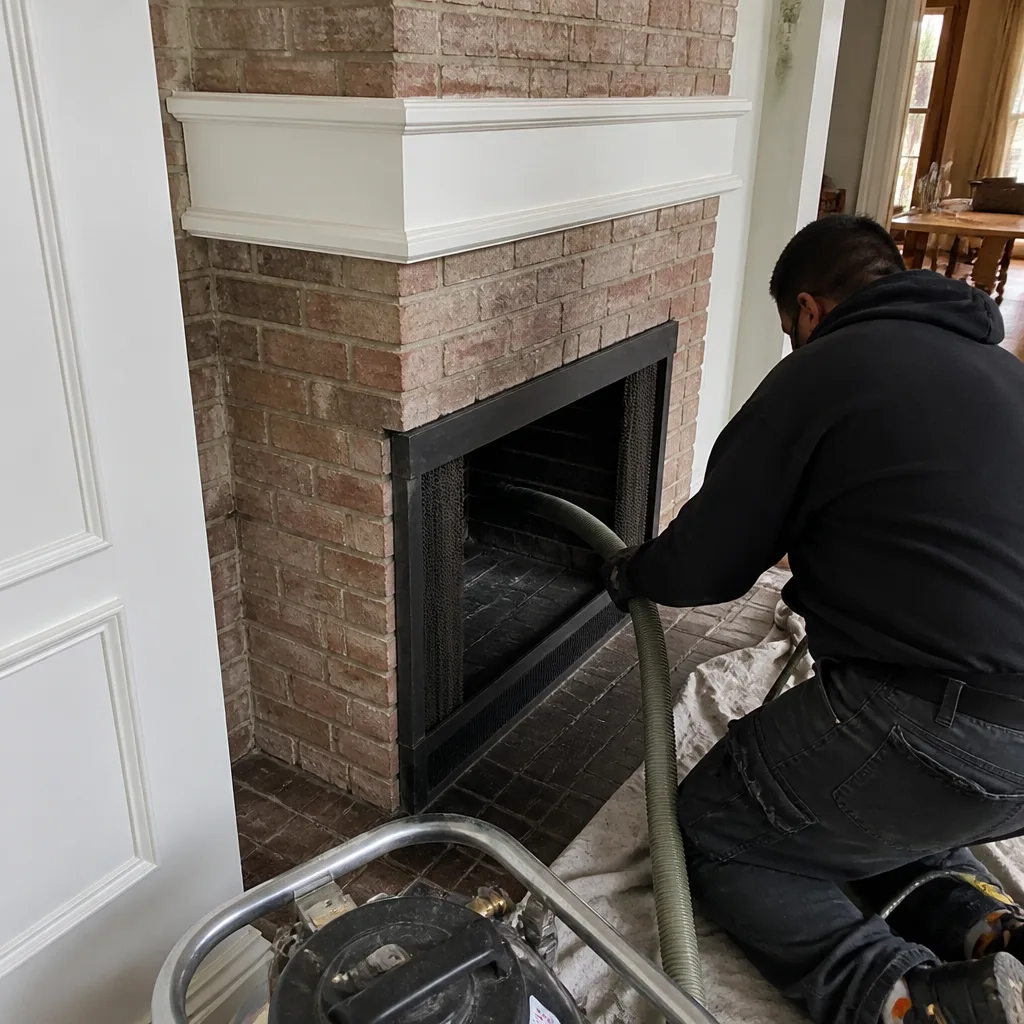 After
AfterSeasonal Chimney Cleaning Care for Alexandria: Year-Round Homeowner’s Guide
Summer is the season most Alexandria homeowners ignore their chimney entirely, and that neglect is exactly what costs the most to fix by October. The Potomac Valley humidity that settles over Alexandria from June through September seeps into mortar joints and liner seams while you’re running the air conditioner, doing damage no one sees until the first cold snap. This guide walks you through what each of Alexandria’s four distinct seasons actually does to your chimney, and how to stay ahead of it instead of catching up; for a printable version, see our Chimney Cleaning & Sweep Maintenance Checklist for Alexandria Homeowners. We’ve worked Alexandria chimneys since 1999, and we’ll tell you plainly what matters, what doesn’t, and what you can safely skip.
Quick Answer
Seasonal chimney care in Alexandria means four different checks: a summer moisture inspection, a fall cleaning before first fire, a mid-winter visual check after 10 to 15 fires, and a spring post-freeze-thaw inspection. Most Alexandria homes need one professional sweep per year, but the timing of that sweep and the small checks between visits determine whether you spend around $200 on maintenance or thousands on rebuilds.
Table of Contents
- Summer Humidity: The Invisible Damage Season
- Why Fall Cleaning Timing Matters More Than You Think
- The Winter Mid-Season Check Most Homeowners Skip
- Spring: What Freeze-Thaw Cycles Do to Older Alexandria Chimneys
- A Realistic Annual Chimney Calendar for Alexandria
- What to Look For During Each Seasonal Check
- Common Mistakes to Avoid
- When to Call a Professional
- Frequently Asked Questions
- The Bottom Line
Summer Humidity: The Invisible Damage Season
Alexandria’s summer humidity averages above 70 percent from June through August, and that moisture is doing something to your chimney right now that you cannot see from the living room. Your chimney is the tallest exposed masonry structure on your house, and brick is porous. When humid air hits the warm exterior of a chimney that sits in direct Potomac Valley sun, the moisture cycle begins: absorption during humid nights, evaporation during hot days, and a slow expansion-contraction cycle in the mortar joints that repeats hundreds of times each season.
What we regularly see in Alexandria neighborhoods like Del Ray, Old Town, and the Seminary Hill area is mortar that has turned soft and crumbly at the crown and top courses of brick, even when the firebox looks perfectly fine. That’s because the top of the chimney takes the brunt of the humidity cycle. The crown, if it’s an older poured cap, may have hairline cracks that let water into the chimney structure itself. From there, dampness reaches the flue liner, and in humid conditions, creosote that has sat on the liner walls since last winter absorbs that moisture and becomes more corrosive, not less.
The one low-cost check that catches this early is a simple June or July visual inspection from the ground or a safe ladder position. You’re looking for three things: white staining on the brick (efflorescence, which means moisture is moving through the masonry), spalling or flaking brick faces at the top three or four courses, and any visible crack in the crown that runs more than a hairline. None of these require you to climb on the roof. A pair of binoculars works fine. What you’re doing is catching moisture damage before it becomes a rebuild: a crown repair might run a few hundred dollars, while rebuilding the top section of a chimney in Alexandria runs into the thousands.
Summer is also the right season for liner checks. The humid air that gets into the flue during the off-season is exactly what accelerates the corrosion of older clay tile liners, particularly in chimneys built before Alexandria’s current building codes took effect. If you burn wood, the creosote from last season is still in there unless you had a spring cleaning, and creosote plus moisture equals a mild acid that eats at mortar and tile. This is why we tell Alexandria homeowners that chimney cleaning in Alexandria is not strictly a fall event. A spring or early summer cleaning removes the creosote before the humid season turns it into something worse.
Why Fall Cleaning Timing Matters More Than You Think
Ask anyone on your street when they get their chimney swept, and most will say “right before the first fire” or “whenever the company can get to me.” Here’s the problem with that thinking in Alexandria: the first cold snap that makes you want a fire also triggers a hundred other homeowners to pick up the phone. The sweeps who are any good are booked solid by late September, and the ones still taking calls in late October are the ones nobody recommended to you.
But timing isn’t just about scheduling. It’s about the condition of your flue. The window that matters in Alexandria is between mid-August and mid-October. Too soon after last season, and you’re paying to sweep a chimney that hasn’t had the summer to dry out and show its real condition. Too close to first fire, and you may find out you have third-degree creosote or a cracked liner the week before Thanksgiving, when every repair crew in Northern Virginia is slammed. First-degree creosote is a brush job. Third-degree is a glaze: catch it early.
The smart play is to book your fall sweep in August for an appointment in September or early October. That gives you a clean flue, a written report on the liner’s condition, and enough runway to complete any chimney repair in Alexandria before the burning season starts in earnest. It also means you go into the holidays knowing the chimney is actually ready, not hoping it’s ready.
One more thing about fall in Alexandria: October is when we get our first heavy leaf fall and the first real wind events along the Potomac. Leaves, twigs, and sometimes squirrels’ nests find their way into uncapped chimneys during this window. If your chimney cap is missing or damaged, you’ll want that addressed before the leaves come down, not after. A cap with a proper spark arrestor also keeps embers from landing on your roof or a neighbor’s, which matters more in Alexandria’s denser older neighborhoods where houses sit close together.
The Winter Mid-Season Check Most Homeowners Skip
You’ve had your chimney cleaned, the fires are going, and everything feels fine. Most Alexandria homeowners stop thinking about the chimney right there. But the first 10 to 15 fires of the season are exactly when problems reveal themselves, and catching them mid-season means the difference between a small fix in January and a dead fireplace for the rest of winter.
What you’re checking after those first 10 to 15 fires is simple, and it takes five minutes. First, look at the smoke. When you light a fire, smoke should draw up quickly and steadily. If it hesitates at the lip of the firebox, curls into the room, or takes longer than a minute to establish a good draft, something has changed since last year. It might be a partial blockage, a cold flue that needs a longer warmup, or creosote building faster than it should because of what you’re burning. Second, look at the glass doors if you have them. A film of dark brown or black buildup after just a dozen fires means your wood is too wet or your burns are too cool. Third, listen. A chirping or scratching sound means an animal has found a warm chimney to winter in, and birds, squirrels, and raccoons are not quiet houseguests.
If any of these signs show up, don’t wait until spring. The chimney is the one system in your house that can burn the house down while you’re sleeping, and a blocked or deteriorating flue is the most common cause. A mid-season inspection from someone who knows Alexandria chimneys is a fraction of the cost of the fire damage it prevents. We’ve been in more Alexandria chimneys than we can count, and the mid-season calls we get are almost always from homeowners who noticed something at the 10-fire mark and didn’t ignore it.
Winter moisture deserves a mention too. Alexandria gets ice and freezing rain most winters, and when ice forms on the crown and in any existing crack, it expands. That’s the same freeze-thaw mechanism we’ll cover in the spring section, but it operates all winter. If you see icicles forming on the chimney or ice building up on the crown after a snow or ice event, that’s moisture that has already infiltrated. It won’t fix itself when the weather warms.
Spring: What Freeze-Thaw Cycles Do to Older Alexandria Chimneys
Alexandria sits in a freeze-thaw band that is harder on masonry than most homeowners realize. We get enough winter days below freezing and enough daytime sun to push surfaces above freezing that a chimney can go through multiple freeze-thaw cycles in a single week. Each cycle is a microscopic expansion event inside the brick and mortar. Over one winter, it’s negligible. Over ten winters, it’s spalled brick. Over thirty winters, it’s a structural issue.
This hits Alexandria chimneys built before the 1990s energy-code era hardest, and there are a lot of them. Old Town’s historic homes, the post-war brick colonials in the West End, the 1960s and 70s split-levels north of Duke Street: these chimneys were built with softer bricks, lime-based mortar, and no modern moisture barriers. They were designed to breathe, and they do, which means they absorb water readily and give it up slowly. Modern hard Portland cement mortars used in patch jobs make it worse; when someone repoints an old chimney with the wrong mortar, the brick itself starts to fail because it cannot release moisture through the joints.
The spring check for Alexandria homeowners is about freeze-thaw damage, and the timing matters. You want to inspect after the last hard freeze but before the heat of summer bakes everything dry; in Alexandria, that’s usually late March to mid-April. What you’re looking for: fresh spalling (brick faces that have popped off and left a smooth or rough inner surface visible), vertical cracks in the mortar joints that weren’t there last fall, a crown with widening cracks or a cap that has shifted, and any brick that looks darker than its neighbors, which means it’s holding water.
Spring is also the right time to check inside the firebox and at the damper. The freeze-thaw cycle can shift a chimney enough to make a damper stick or prevent it from seating fully. If your damper doesn’t open and close smoothly in the spring, that’s a hint that the chimney has moved slightly. It’s usually nothing catastrophic, but it’s worth knowing before it becomes catastrophic. A spring inspection is also the moment to decide whether you need a fireplace service in Alexandria like a damper repair or a new cap, and doing it in April means you’re not competing with the October rush.
A Realistic Annual Chimney Calendar for Alexandria
Here is the calendar we recommend to Alexandria homeowners, adjusted for the weather we actually get, not a generic national template that assumes everyone lives in Ohio. This is what we tell our own neighbors when they ask when to do what.
- June to July (Summer Moisture Check): Visual inspection from the ground with binoculars. Look for efflorescence, spalling, crown cracks, and any sign of animal activity. If you find anything, schedule a professional inspection before the fall rush. This is also the right time for a free second opinion on any written estimate you’ve received from another company.
- August (Book the Fall Sweep): Call and schedule your annual chimney cleaning in Alexandria for September or early October. August is when the smart homeowners call, and it’s why they get the appointment time they want.
- September to early October (Annual Cleaning and Inspection): Professional sweep, camera inspection of the liner, written report, and any minor repairs completed. This is also when you should have the cap checked and the crown sealed if needed.
- October to November (First Fires): Burn only seasoned hardwood with a moisture content below 20 percent. After the first 10 to 15 fires, do the five-minute mid-season check: smoke draw, glass film, unusual sounds.
- December to February (Mid-Season Vigilance): Monthly visual check during the deep burn season. Watch for ice buildup on the crown, slow draft on cold starts, and any smoke smell in the house that wasn’t there before. If a January thaw is followed by a hard freeze, check the crown again.
- March to April (Post-Freeze-Thaw Inspection): Full check for freeze-thaw damage: spalling, mortar cracks, damper function. Decide on any repairs now so they’re done before the next heating season. If you did not get a spring cleaning, consider one to remove creosote before the summer humidity sets in.
That’s six touch points per year, and only one of them, the fall sweep, requires spending real money in a typical year. The rest are visual checks that cost nothing but a few minutes. The difference is that when something does go wrong, you’ll know about it in April, not in December.
What to Look For During Each Seasonal Check
You do not need to climb on your roof to do a meaningful seasonal chimney check. Here’s what matters, organized by season, so you can work through it in ten minutes.
Summer: The Moisture Scan
- White chalky streaks on the brick faces, especially on the upper third of the chimney. This is efflorescence, and it means moisture is moving through the masonry. A little is normal on an old Alexandria home. A lot is a sign that water is finding its way in.
- Brick faces that are flaking, popping, or leaving sandy debris on the roof or flashing. This is spalling, and it only gets worse with each freeze-thaw cycle.
- Cracks in the crown wider than a fingernail. Hairline cracks in a 40-year-old chimney are common; cracks you can fit a dime into are not.
- Vegetation growing out of the brick or crown. Moss and small plants hold moisture against the masonry, which accelerates damage. In Alexandria’s climate, moss on a north-facing chimney face is common, but it’s not harmless.
Fall: The Pre-Burn Check
- Debris in the firebox that didn’t come from your last fire: leaves, twigs, nesting material. If it’s there, the cap isn’t doing its job.
- A damper that opens and closes smoothly and seats fully. A sticky damper before the season is a sign of years of creosote, moisture, or slight structural shift.
- Any signs of water staining on the interior firebox walls or ceiling above the fireplace. Water that got in over the summer will show up as stains or efflorescence.
- The condition of the chimney cap. If it’s missing, rusted through, or the mesh is torn, embers and animals both have an open invitation.
Winter: The Mid-Burn Check
- Smoke draw time. After the flue is warmed, smoke should pull up immediately. Slow start or smoke curl into the room is a warning sign.
- Glass buildup after 10 to 15 fires. Dark brown or black film means wet wood or low-temperature burns. Address the wood or the burning habits before the flue pays the price.
- Ice formations on the crown or cap after precipitation. Ice means water has a way in. When it freezes and expands, it widens whatever opening it came through.
- Sounds from the flue when no fire is burning. Scampering, chirping, or scratching means a creature has moved in for the winter.
Spring: The Freeze-Thaw Assessment
- New spalling compared to what you saw in the fall. Fresh spalling means this winter’s freeze-thaw cycles did damage. It will continue every winter until the moisture entry is fixed.
- Vertical cracks in the mortar that run through multiple brick courses. Horizontal cracks are a structural red flag; vertical cracks are the early warning.
- A chimney that appears to lean or separate from the house. In Alexandria’s older neighborhoods, settling is common, but a gap that widens is not something to ignore.
- Damper function after a winter of use. If it sticks now, it stuck for a reason.
Common Mistakes to Avoid
- Skipping the off-season checks entirely. Once a year, burn or no burn: chimneys break in the off-season too. The summer humidity and winter freeze-thaw cycles do their work whether you’re using the fireplace or not, and the off-season is when the damage accumulates unseen.
- Burning unseasoned wood and expecting the sweep to fix it. Green wood creates creosote faster than any brush can keep up with. If your wood was cut this year, it’s not ready this year, no matter how much you paid for it.
- Letting a handyman patch the crown with the wrong material. Crown repair and repointing done with standard Portland cement on an older Alexandria chimney often makes the problem worse by trapping moisture. The original lime-based mortar was designed to breathe, and when you seal it, the brick fails instead.
- Waiting until October to schedule a cleaning. The window in Alexandria is tight, and the good sweeps book out early. Book in August, clean in September, and you’ll be warm in December.
- Ignoring a slow draft because “it’s always done that.” A chimney that drafted fine for years and suddenly drafts slow is telling you something. Blockages, liner damage, and cap failures all start with small symptoms.
- Assuming a chimney cap is optional. In Alexandria’s neighborhoods with mature trees and dense housing, an uncapped chimney is an open door for animals, debris, and embers. A cap is one of the cheapest pieces of chimney hardware you can buy, and one of the most important.
- Putting off a liner issue because “it’s not that bad yet.” A cracked liner doesn’t heal. It gets worse, and the fix is always more expensive next year than it is this year. Your flue doesn’t care how the fire looks. It cares how it breathes.
When to Call a Professional
You can do a visual check from the ground, notice the obvious problems, and keep up with seasonal timing on your own. But there are situations where the right move is to have someone who has been inside more Alexandria chimneys than they can count take a look. Call a sweep when you see efflorescence or spalling for the first time, when a crack in the crown is wide enough to fit a coin, when the draft changes behavior from one season to the next, or when anything about the chimney gives you a feeling you can’t shake. The camera footage and a plain-English verdict, every time, no exceptions. That’s what you’re paying for: a real look inside the flue, not a guess from the ground. Top Hat Chimney offers free estimates in Alexandria. Call (571) 521-4837 and you’ll get a straight answer.
Frequently Asked Questions
A standard chimney cleaning and sweep in Alexandria typically runs between $180 and $350, depending on the chimney’s height, accessibility, and how much creosote has built up. If you haven’t had the chimney cleaned in several years or the first-degree creosote has hardened into second-degree, expect the higher end. We deliver upfront pricing before a single tool comes off the truck, and the number we quote on the phone is the number on the invoice. Call (571) 521-4837 for an exact quote, and ask about the standing offers: no trip charge inside the county and 10 percent off for seniors and veterans.
Once a year, burn or no burn, is the rule we recommend for Alexandria homeowners who use their fireplace regularly. The National Fire Protection Association standard is that chimneys should be swept when there is 1/8 inch or more of creosote buildup, and for most households burning wood through a typical Potomac Valley winter, that threshold arrives each year. If you burn only occasionally, every other year may do. If you burn every night in the coldest months, mid-season attention may be needed.
You need a new liner if the old one has failed: cracked clay tiles, gaps at the joints, or corrosion that has eaten through. You do not need a new liner just because it’s old, and you should never take anyone’s word for it without seeing it yourself. We run a camera up the flue and show you the footage, and if the liner is sound, we’ll tell you that plainly and put it in writing. When a liner is compromised, it’s a fire and carbon monoxide risk, not a cosmetic issue. If a company tells you the liner must be replaced but won’t show you the camera footage, get a second opinion. Ours is free on any written estimate.
Creosote accumulates, and the risk profile changes. A single year of normal burning builds up first-degree creosote, which is a brush job, but a second year on top of that can bake it into second-degree or third-degree, which is a glaze and requires chemical treatment or mechanical removal. A third year is when you start seeing slow drafts, smoke rollout, and the real possibility of a chimney fire. The cost difference between a routine sweep and a glaze removal or liner repair is ten to twenty times, and that’s before you factor in the safety risk. Call (571) 521-4837 to schedule before the season turns.
You can buy a brush kit at the hardware store, and for some single-story chimneys with shallow roofs, a careful homeowner can do a basic job. But a brush from above only removes the loose stuff, and it cannot tell you what the liner looks like inside. The main value of a professional sweep is the camera inspection and the trained eye: creosote glaze, cracked tiles, failed mortar joints, and cap damage all reveal themselves to someone who looks at this every day. Without that, you’ll get the chimney clean and still not know whether it’s safe. For steep roofs, two-story chimneys, or any chimney in Alexandria’s older housing stock, we recommend a pro. It’s not that you cannot do it; it’s that the risk of doing it wrong, or missing something that matters, is not worth the $200 you save.
Yes. Alexandria enforces the Virginia Uniform Statewide Building Code, which incorporates the International Residential Code for existing one- and two-family dwellings. Replacing a chimney liner, rebuilding a crown, or doing structural chimney repairs typically requires a permit, and the work must be inspected. Routine sweeping and cleaning does not. When you’re having liner or masonry work done in Alexandria, make sure the company pulls the right permits and can put a name and license number on the work. A handyman quoting a liner replacement without a permit is a red flag, and it leaves the homeowner holding the liability if something goes wrong.
The Bottom Line
Alexandria’s four seasons each attack your chimney in a different way, and the homeowner who treats chimney care as a single fall chore is always reacting instead of staying ahead. The summer humidity softens mortar and accelerates creosote corrosion. The winter freeze-thaw cycle widens every crack. The burning season builds creosote you cannot see. The trick is not more work; it’s right-timed work: a summer moisture check, a fall booking in August, a mid-winter look after 10 to 15 fires, and a spring post-freeze inspection. For more guides & resources on keeping your chimney safe year-round, explore our blog. Most of that costs nothing but attention. The part that costs money, the annual sweep, is a bargain compared to the repairs it prevents. Once a year, burn or no burn.
If it’s been more than a year since your chimney was last looked at, now is the time to fix that. Top Hat Chimney has been serving Alexandria since 1999, and every job is backed by the 90-Day Done Right Promise in writing. We publish our name, our license number, and our address. A live person answers the phone around the clock, and it may well be Wendell himself picking up. Call (571) 521-4837 for a free estimate, and you’ll get the camera footage and a plain-English verdict, every time, no exceptions.
Written by Wendell Pike, Owner at Top Hat Chimney, serving Alexandria since 1999.